

Below you will find answers to the questions most frequently asked by speakers at previous editions of the conference. If you cannot find the information you are looking for, please feel free to contact us.
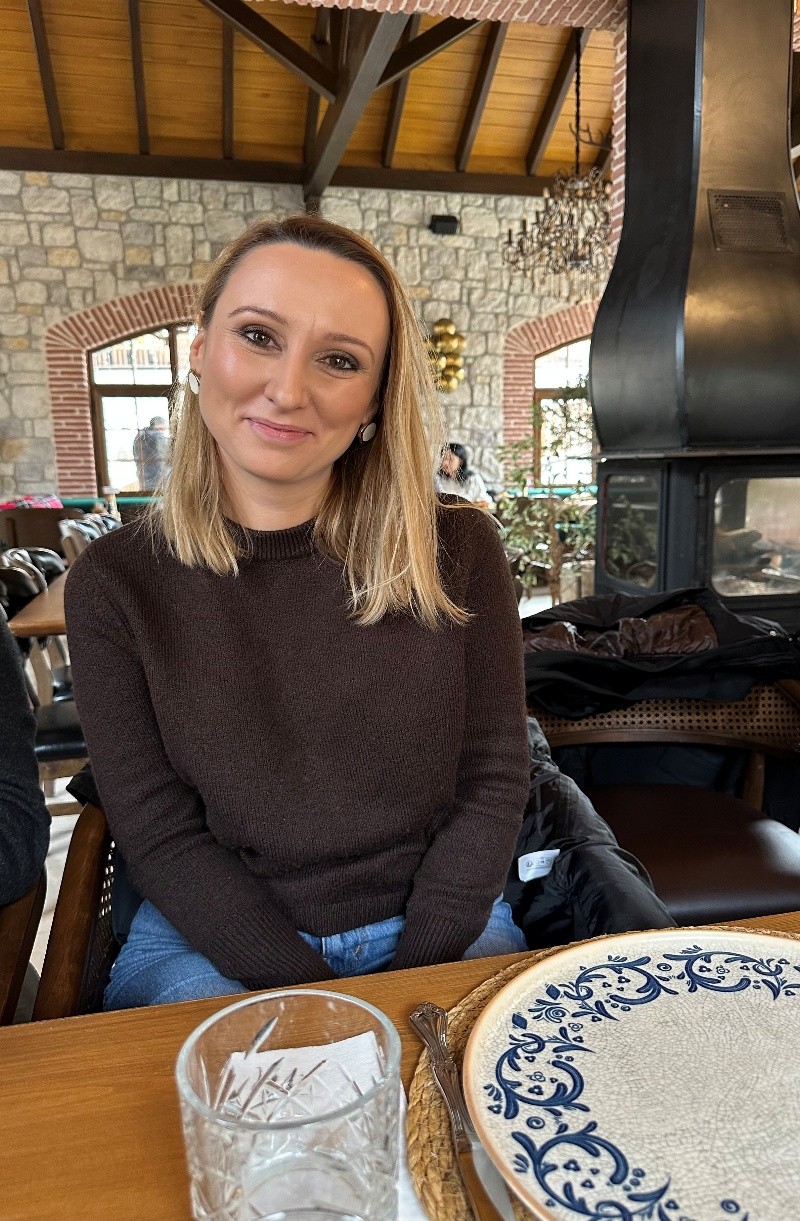
Aleksandra Nemedi
Aleksandra Nemedi holds a Master’s degree in Special Education and Rehabilitation, specialising in intellectual disabilities. She graduated from the Faculty of Special Education and Rehabilitation at the University of Belgrade. She works as a special education teacher in a specialised educational setting at „Novi Beograd“ Primary School, where she also coordinates the Erasmus+ team. Her current international project, AutisMath, focuses on developing a digital application featuring mathematical and logical reasoning tasks for children on the autism spectrum.
Aleksandra Nemedi
AutisMath: From an Idea to the First Steps into the Digital World
Aleksandra Nemedi holds a Master’s degree in Special Education and Rehabilitation, specialising in intellectual disabilities. She graduated from the Faculty of Special Education and Rehabilitation at the University of Belgrade. She works as a special education teacher in a specialised educational setting at „Novi Beograd“ Primary School, where she also coordinates the Erasmus+ team. Her…
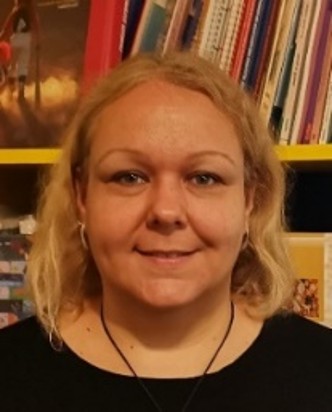
Ana Bukvić
Ana is a psychologist and education specialist at CIP – Centre for Interactive Pedagogy, where she works on projects aimed at improving the quality of education for all children, with a focus on social and educational inclusion. She is particularly interested in equity in education and in empowering schools to become supportive communities where education is rooted in a culture of solidarity, well-being, belonging, and the active participation of children, teachers, and families. She is the author and facilitator of training programmes and has developed professional development materials and programmes for educators.
Ana Bukvić
Digital Bridges to Higher-Quality and More Inclusive Education
Ana is a psychologist and education specialist at CIP – Centre for Interactive Pedagogy, where she works on projects aimed at improving the quality of education for all children, with a focus on social and educational inclusion. She is particularly interested in equity in education and in empowering schools to become supportive communities where education…

Ana Crnogorac
Ana Crnogorac is a French language teacher and a graduate of the Faculty of Philology at the University of Belgrade. For the past 15 years, she has been involved in planning and delivering distance learning, with a particular interest in the use of digital technologies in foreign language teaching and inclusive education. Her work explores the potential of digital and assistive technologies, as well as artificial intelligence, to adapt teaching to students’ diverse needs. She actively participates in Erasmus+ projects and international cooperation, exchanging experiences and exploring innovative educational practices.
Ana Crnogorac
Teachers’ AI Literacy in Inclusive Education: Why AI Won’t Replace Us (After All)
Ana Crnogorac is a French language teacher and a graduate of the Faculty of Philology at the University of Belgrade. For the past 15 years, she has been involved in planning and delivering distance learning, with a particular interest in the use of digital technologies in foreign language teaching and inclusive education. Her work explores…
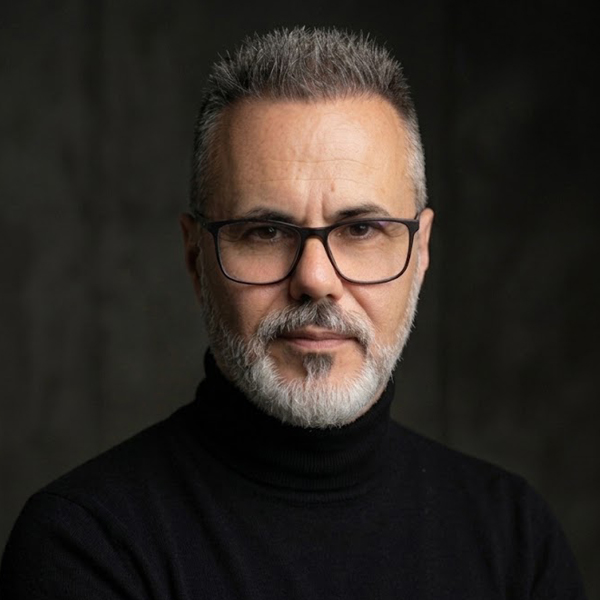
Branislav Brkić
Branislav Brkić is creative director, producer and EdTech developer with over 20 years of experience in educational content for children. With a background in developmental psychology, he brings unique expertise in designing learning experiences that are pedagogically grounded. His production portfolio includes educational brand Teslini Znanjoni, Lola and Mila and the film Tesla and the Lamplighter. His recent work focuses on educational platforms, including Terra Logica and Yabooka.kids.
Branislav Brkić
Terra Logica – When School Knowledge Shapes the World of Video Games
Branislav Brkić is creative director, producer and EdTech developer with over 20 years of experience in educational content for children. With a background in developmental psychology, he brings unique expertise in designing learning experiences that are pedagogically grounded. His production portfolio includes educational brand Teslini Znanjoni, Lola and Mila and the film Tesla and the…
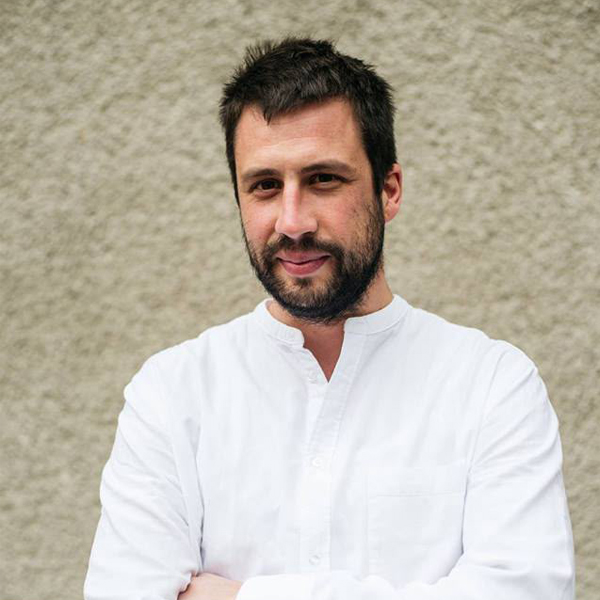
Deniz Hoti
Deniz Hoti is a project manager and innovation mentor at City Hub, with over 15 years of experience in developing startup ecosystems and educational programmes. At the organisation Connecting, he led the development of an e-learning platform and delivered hundreds of training sessions. As an Agile and design thinking coach, he has worked with companies such as Coca-Cola, BAT, Generali Insurance, and Erste Bank, as well as with more than 50 startups.
Deniz Hoti
Terra Logica – When School Knowledge Shapes the World of Video Games
Deniz Hoti is a project manager and innovation mentor at City Hub, with over 15 years of experience in developing startup ecosystems and educational programmes. At the organisation Connecting, he led the development of an e-learning platform and delivered hundreds of training sessions. As an Agile and design thinking coach, he has worked with companies…
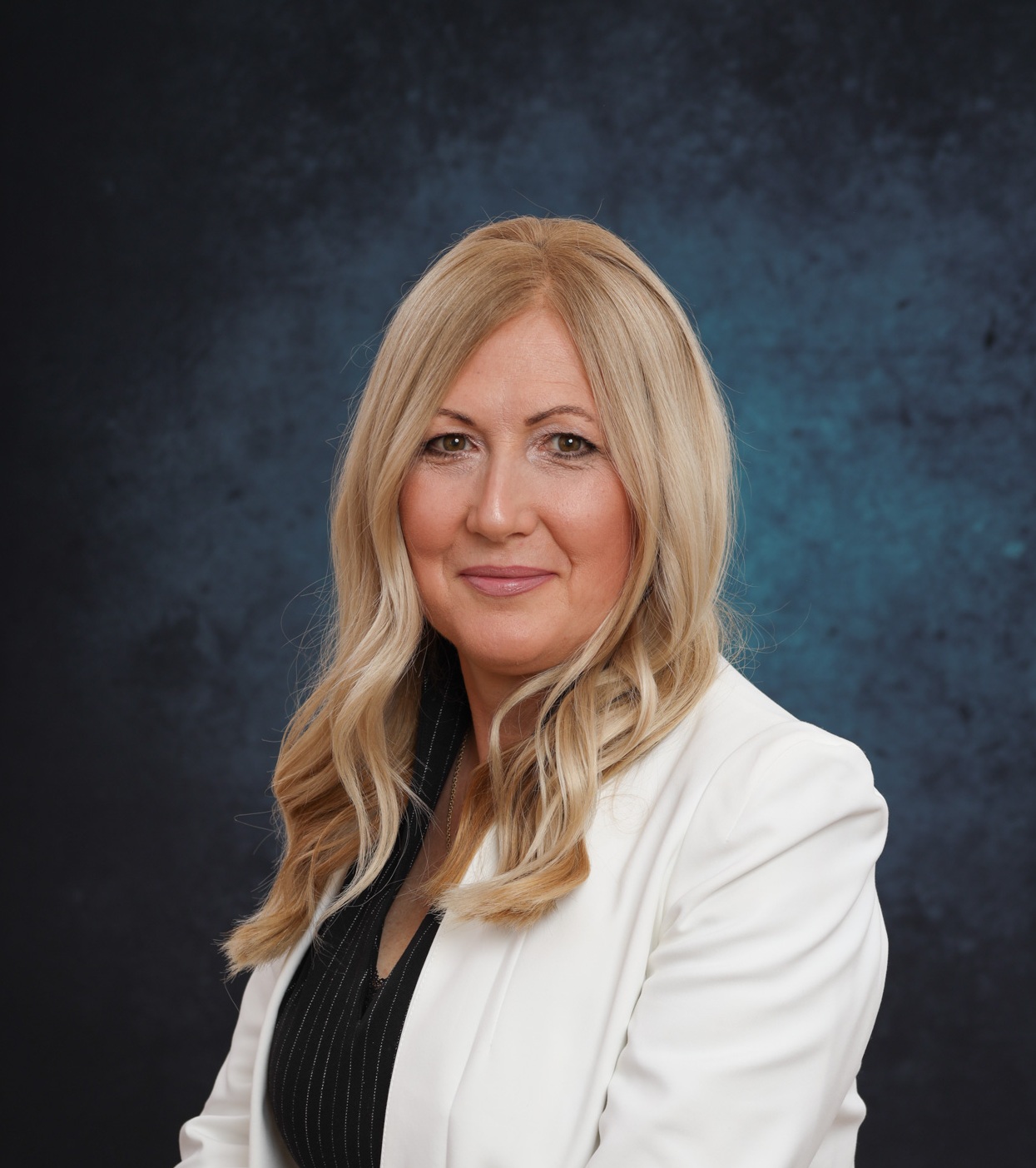
Gordana Pavlović
Gordana Pavlović is a Serbian language and literature teacher at „Sava Šumanović“ Grammar School in Šid and a senior pedagogical advisor with 28 years of experience in primary and secondary education. She delivers professional development training, mentors teachers, and is the author of multiple award-winning examples of good teaching practice. Her professional work focuses on developing innovative teaching approaches, inclusive education, instructional individualization, and providing expert support to schools working with foreign students.
She actively participates in national and international educational programmes, professional gatherings, and conferences. Her work brings together literature, modern technologies, and inquiry-based learning, with a particular emphasis on developing reading, media, and digital literacy, critical thinking, and student autonomy. She is particularly dedicated to exploring pedagogically sound approaches to the use of artificial intelligence, with the aim of creating a supportive learning environment in which technology expands learning opportunities while students retain an active, creative, and critical role.
As a presenter, she participated in the Digital Education Conference in 2022.
Gordana Pavlović
AI has responded. Class starts now!
Gordana Pavlović is a Serbian language and literature teacher at „Sava Šumanović“ Grammar School in Šid and a senior pedagogical advisor with 28 years of experience in primary and secondary education. She delivers professional development training, mentors teachers, and is the author of multiple award-winning examples of good teaching practice. Her professional work focuses on…

Kristina Drini
Kristina is an education specialist at CIP – Centre for Interactive Pedagogy. Her work has focused on the inclusion of children from vulnerable groups in the education system, as well as on collaborating with and supporting parents and staff in educational institutions, including in the use of digital tools. She delivers accredited training programmes, develops professional development programmes and guides, and is a member of the Serbian Pedagogical Society.
Kristina Drini
Digital Bridges to Higher-Quality and More Inclusive Education
Kristina is an education specialist at CIP – Centre for Interactive Pedagogy. Her work has focused on the inclusion of children from vulnerable groups in the education system, as well as on collaborating with and supporting parents and staff in educational institutions, including in the use of digital tools. She delivers accredited training programmes, develops…
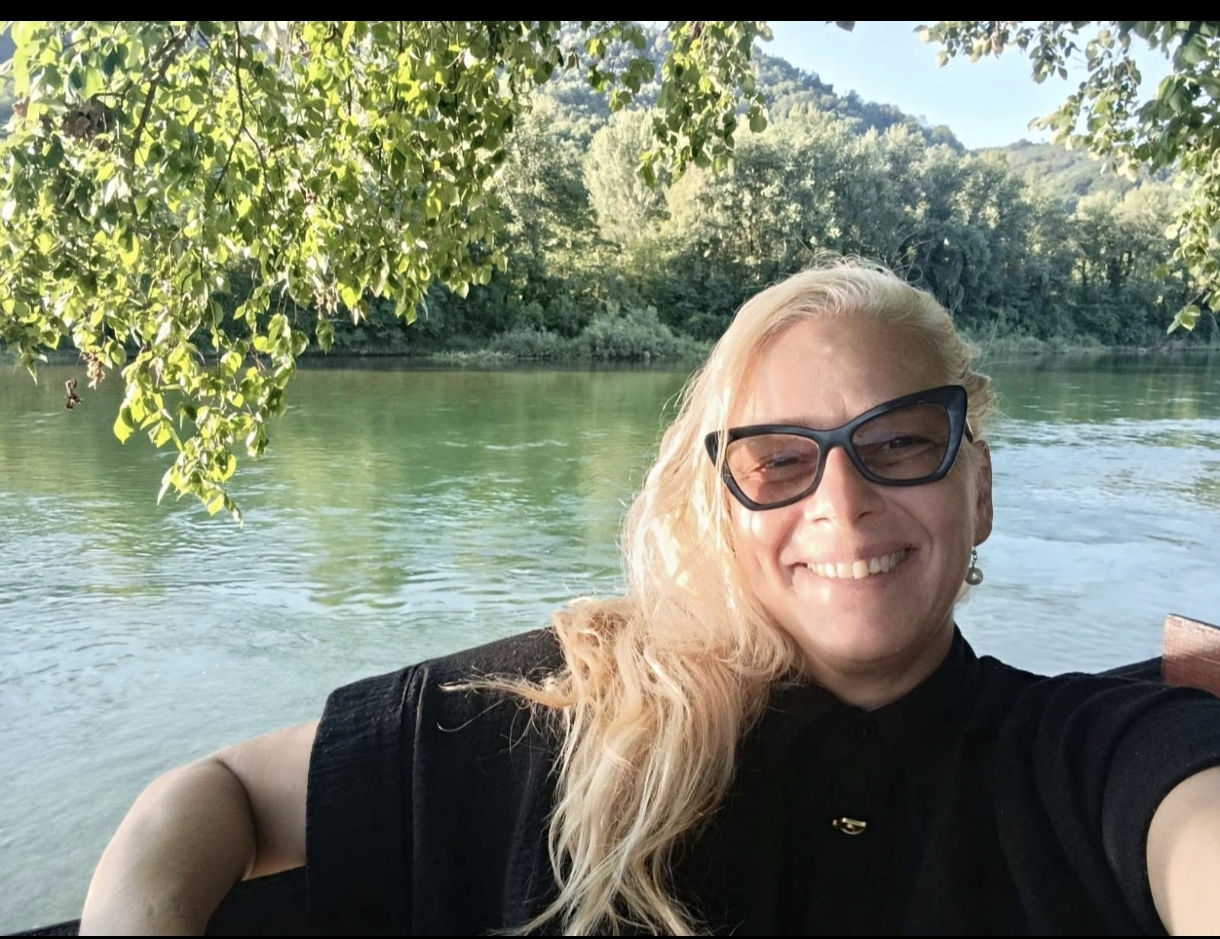
Marijana Jovanović Čabrić
Marijana Jovanović Čabrić is the Deputy Director of the Resource Centre at the „Vukašin Marković“ School for Primary and Secondary Education in Kragujevac. She also serves as an adviser and external associate to the ministry responsible for education, a court-appointed expert, and a collaborator with the Institute for the Improvement of Education (ZUOV) and the Institute for the Evaluation of the Quality of Education (ZVKOV). A special education teacher with over 20 years of experience, she has worked with students with disabilities and developmental difficulties at all levels of education, from preschool to primary and secondary education. She is one of the founders and organisers of the accredited professional forum Creating Together, which brings together preschool teachers and primary and secondary school teachers to showcase and exchange examples of good practice across the education system. As an Erasmus+ project coordinator, she gained extensive experience in collaborating with colleagues from different countries. She also served as a judge in the Core Values category of the FIRST LEGO League competition at the national level.
Marijana Jovanović Čabrić
Artificial Intelligence to Support Teachers Working with Students on Individual Education Plans (IEPs)
Marijana Jovanović Čabrić is the Deputy Director of the Resource Centre at the „Vukašin Marković“ School for Primary and Secondary Education in Kragujevac. She also serves as an adviser and external associate to the ministry responsible for education, a court-appointed expert, and a collaborator with the Institute for the Improvement of Education (ZUOV) and the…
Martin Kalamković
Martin Kalamković, PhD, is an educator dedicated to fostering innovation and inclusion through technology. He works at the „Milan Petrović“ School for Primary and Secondary Education and the „Petnica“ Science Centre. As an ambassador for the international Scientix and eTwinning networks, he actively promotes innovative educational practices. He coordinates Erasmus+ projects, delivers invited lectures at the request of the Ministry of Education, and is the author of accredited professional development programmes.
Martin Kalamković
Opportunities for Using Virtual Reality (VR) Technologies to Promote Inclusion
Martin Kalamković, PhD, is an educator dedicated to fostering innovation and inclusion through technology. He works at the „Milan Petrović“ School for Primary and Secondary Education and the „Petnica“ Science Centre. As an ambassador for the international Scientix and eTwinning networks, he actively promotes innovative educational practices. He coordinates Erasmus+ projects, delivers invited lectures at…
Samira Bührer
Samira Bührer is an education policy professional with international experience in European education policy, higher education and digital learning. She has worked with European and international networks in Brussels and focuses on AI, immersive learning, education innovation and the future of skills.
Samira Bührer
The Avatar State: How AI and Immersive Learning Can Create Safer Spaces for Participation and Inclusion
Samira Bührer is an education policy professional with international experience in European education policy, higher education and digital learning. She has worked with European and international networks in Brussels and focuses on AI, immersive learning, education innovation and the future of skills.
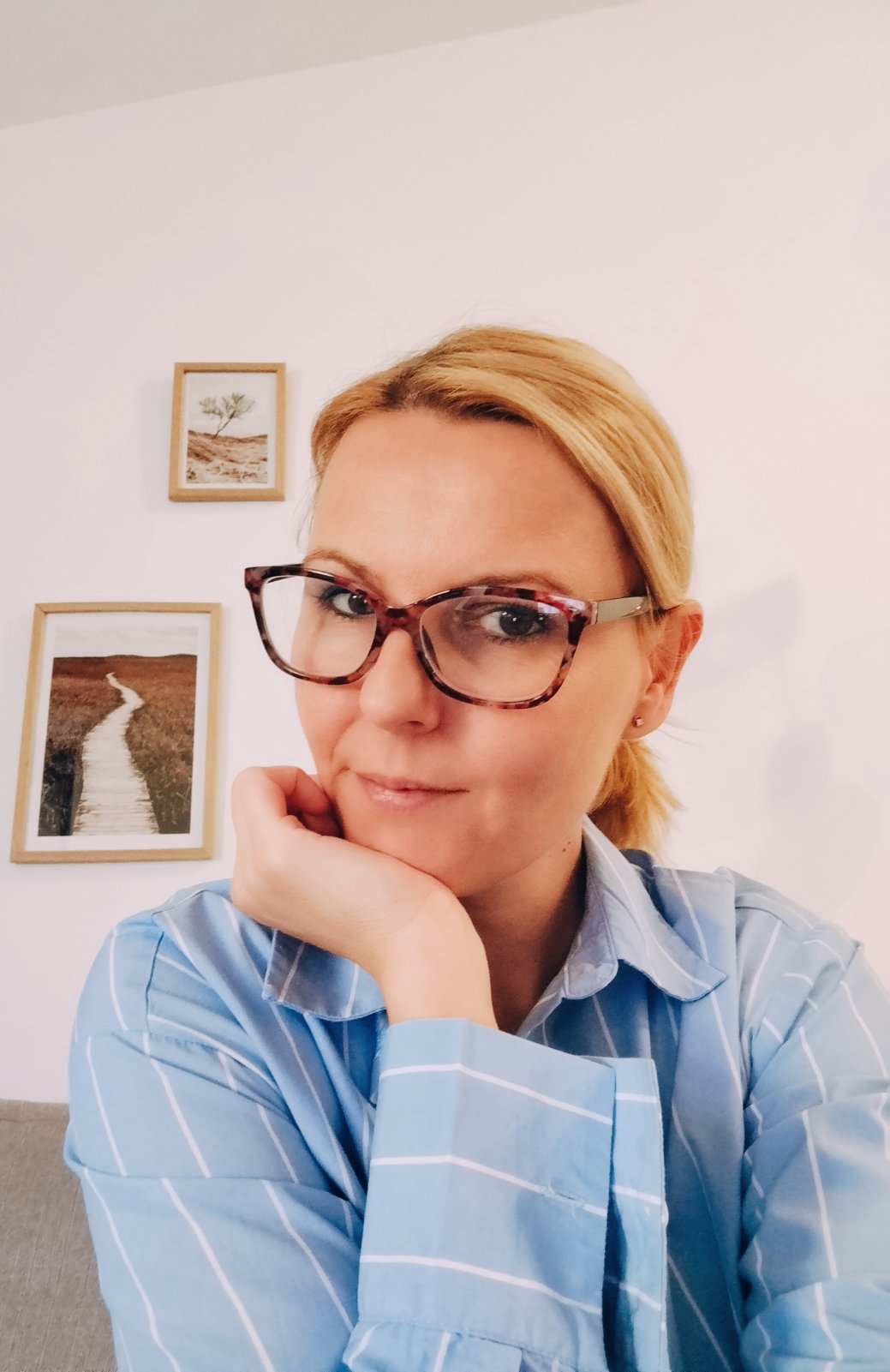
Tijana Radisavljević
Tijana Radisavljević is an English language teacher who graduated from the Faculty of Philology at the University of Belgrade and has extensive experience in primary and secondary education. Her work focuses particularly on the individualisation of teaching and the use of digital and assistive technologies to support students with additional educational needs. She explores both the potential and the limitations of artificial intelligence in lesson planning and adapting teaching to students’ individual needs. She actively participates in Erasmus+ projects and international cooperation, exchanging experiences and exploring innovative educational practices. She is also a certified scientific and technical translator and a court-certified interpreter for English.
Tijana Radisavljević
Teachers’ AI Literacy in Inclusive Education: Why AI Won’t Replace Us (After All)
Tijana Radisavljević is an English language teacher who graduated from the Faculty of Philology at the University of Belgrade and has extensive experience in primary and secondary education. Her work focuses particularly on the individualisation of teaching and the use of digital and assistive technologies to support students with additional educational needs. She explores both…

Zdravka Majkić
Zdravka Majkić is an English language teacher with extensive experience in both formal and non-formal education. In her school practice, she works with students of different ages and needs, including those following Individual Education Plans (IEPs). Her work places particular emphasis on inclusion, the digital transformation of education, and empowering students through innovative learning methods. She actively participates in international projects, particularly those within the Erasmus+ programme, where she delivers workshops and develops publications on inclusion, digital technologies, and interdisciplinary approaches to teaching. She is the author and co-author of professional papers and teacher training programmes, with a focus on the use of digital tools and artificial intelligence in education. Her professional interests include digital education, foreign language teaching methodology, the development of educational resources, and supporting teachers in strengthening their professional competences. At conferences and training events, she enjoys sharing practical experience and promoting the idea that technology should serve as a tool for creating creative, inclusive, and supportive learning environments.
Zdravka Majkić
AI Is Not Differentiation: The Teacher Makes the Key Pedagogical Decisions
Zdravka Majkić is an English language teacher with extensive experience in both formal and non-formal education. In her school practice, she works with students of different ages and needs, including those following Individual Education Plans (IEPs). Her work places particular emphasis on inclusion, the digital transformation of education, and empowering students through innovative learning methods.…