

Below you will find answers to the questions most frequently asked by speakers at previous editions of the conference. If you cannot find the information you are looking for, please feel free to contact us.
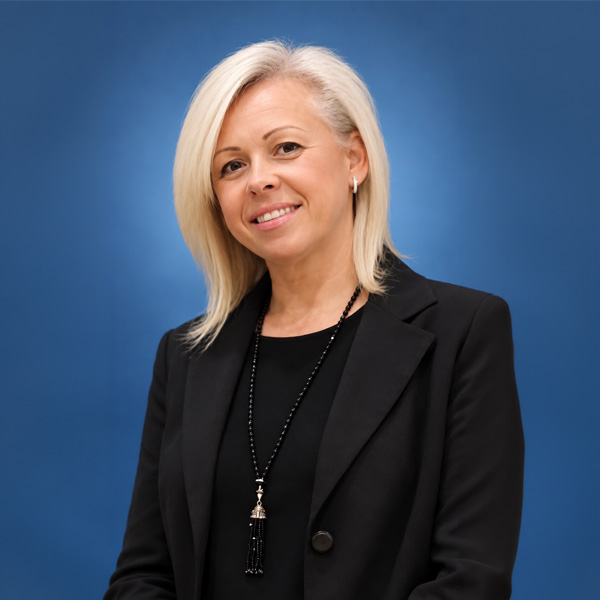
Marija Kovačević
Marija Kovačević is an early childhood educator who participates in professional gatherings, educator meetups, and conferences. In her professional practice, she strives to be an innovator, actively connecting the traditional values of children’s play with modern technological advances. Her work focuses on introducing children to digital technologies not as a replacement for play, but as a means of active learning, exploration, and creative expression.
Marija Kovačević
Digital Bridges of Childhood
Marija Kovačević is an early childhood educator who participates in professional gatherings, educator meetups, and conferences. In her professional practice, she strives to be an innovator, actively connecting the traditional values of children’s play with modern technological advances. Her work focuses on introducing children to digital technologies not as a replacement for play, but as…
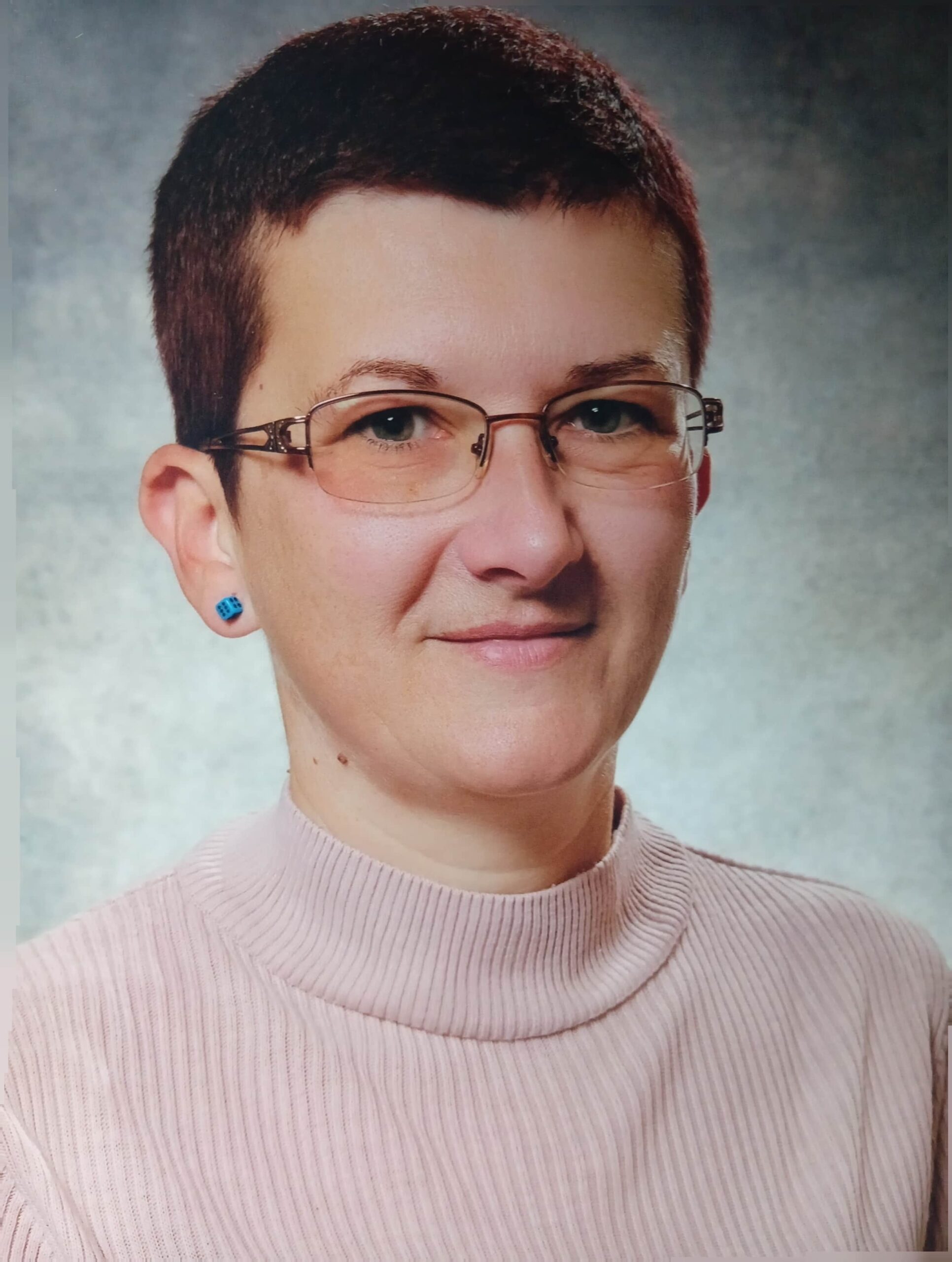
Marija Milovanović
Marija Milovanović is a primary school teacher, pedagogical adviser, and STEM educator at „Stefan Nemanja“ Primary School in Niš, Serbia. She has designed and delivered numerous innovative teaching activities and projects and authored professional papers in the fields of digital education, STEM education, and inquiry-based learning. Her work focuses particularly on the use of digital tools and the development of the 6KD Model, which promotes knowledge creation through digitally supported learning.
Marija Milovanović
From Digital Tools to Knowledge Creation: The 6KD Model in Primary Education
Marija Milovanović is a primary school teacher, pedagogical adviser, and STEM educator at „Stefan Nemanja“ Primary School in Niš, Serbia. She has designed and delivered numerous innovative teaching activities and projects and authored professional papers in the fields of digital education, STEM education, and inquiry-based learning. Her work focuses particularly on the use of digital…

Marija Živančević
Marija Živančević holds a Master’s degree in Early Childhood Education and has experience working with preschool-aged children. She successfully integrates digital technologies into project-based activities, including VR headsets and Bee-Bot robots, to foster children’s curiosity, creativity, and inquiry-based learning. She continuously develops her professional competences in digital technologies and the application of artificial intelligence in contemporary education.
Marija Živančević
Learning and Play in the Digital Age
Marija Živančević holds a Master’s degree in Early Childhood Education and has experience working with preschool-aged children. She successfully integrates digital technologies into project-based activities, including VR headsets and Bee-Bot robots, to foster children’s curiosity, creativity, and inquiry-based learning. She continuously develops her professional competences in digital technologies and the application of artificial intelligence in…

Marijana Jovanović Čabrić
Marijana Jovanović Čabrić is the Deputy Director of the Resource Centre at the „Vukašin Marković“ School for Primary and Secondary Education in Kragujevac. She also serves as an adviser and external associate to the ministry responsible for education, a court-appointed expert, and a collaborator with the Institute for the Improvement of Education (ZUOV) and the Institute for the Evaluation of the Quality of Education (ZVKOV). A special education teacher with over 20 years of experience, she has worked with students with disabilities and developmental difficulties at all levels of education, from preschool to primary and secondary education. She is one of the founders and organisers of the accredited professional forum Creating Together, which brings together preschool teachers and primary and secondary school teachers to showcase and exchange examples of good practice across the education system. As an Erasmus+ project coordinator, she gained extensive experience in collaborating with colleagues from different countries. She also served as a judge in the Core Values category of the FIRST LEGO League competition at the national level.
Marijana Jovanović Čabrić
Artificial Intelligence to Support Teachers Working with Students on Individual Education Plans (IEPs)
Marijana Jovanović Čabrić is the Deputy Director of the Resource Centre at the „Vukašin Marković“ School for Primary and Secondary Education in Kragujevac. She also serves as an adviser and external associate to the ministry responsible for education, a court-appointed expert, and a collaborator with the Institute for the Improvement of Education (ZUOV) and the…
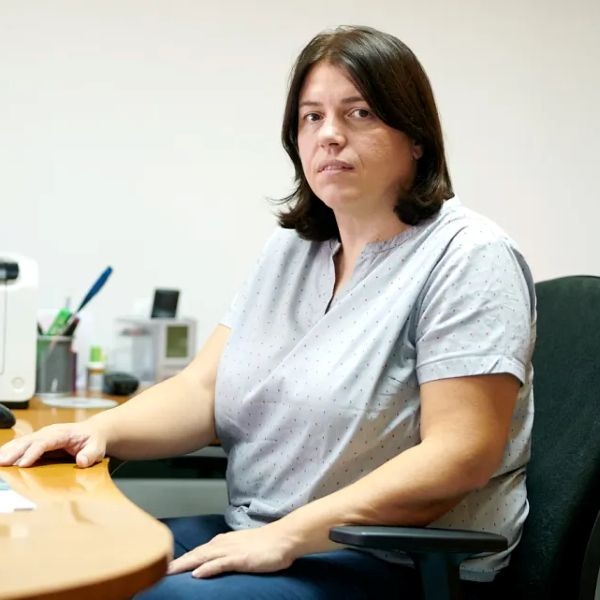
Marina Matijević
Marina Matijević holds a degree in Electrical Engineering and a Master’s degree in Cybersecurity. Since 2007, she has worked at the Ministry of Education, Science and Innovation of Montenegro, where she heads the Education Digitalisation Department. She has led and participated in numerous national and international projects, including the Montenegrin Education Information System (MEIS) and the Digital School initiative.
Marina Matijević
Digital School
Marina Matijević holds a degree in Electrical Engineering and a Master’s degree in Cybersecurity. Since 2007, she has worked at the Ministry of Education, Science and Innovation of Montenegro, where she heads the Education Digitalisation Department. She has led and participated in numerous national and international projects, including the Montenegrin Education Information System (MEIS) and…
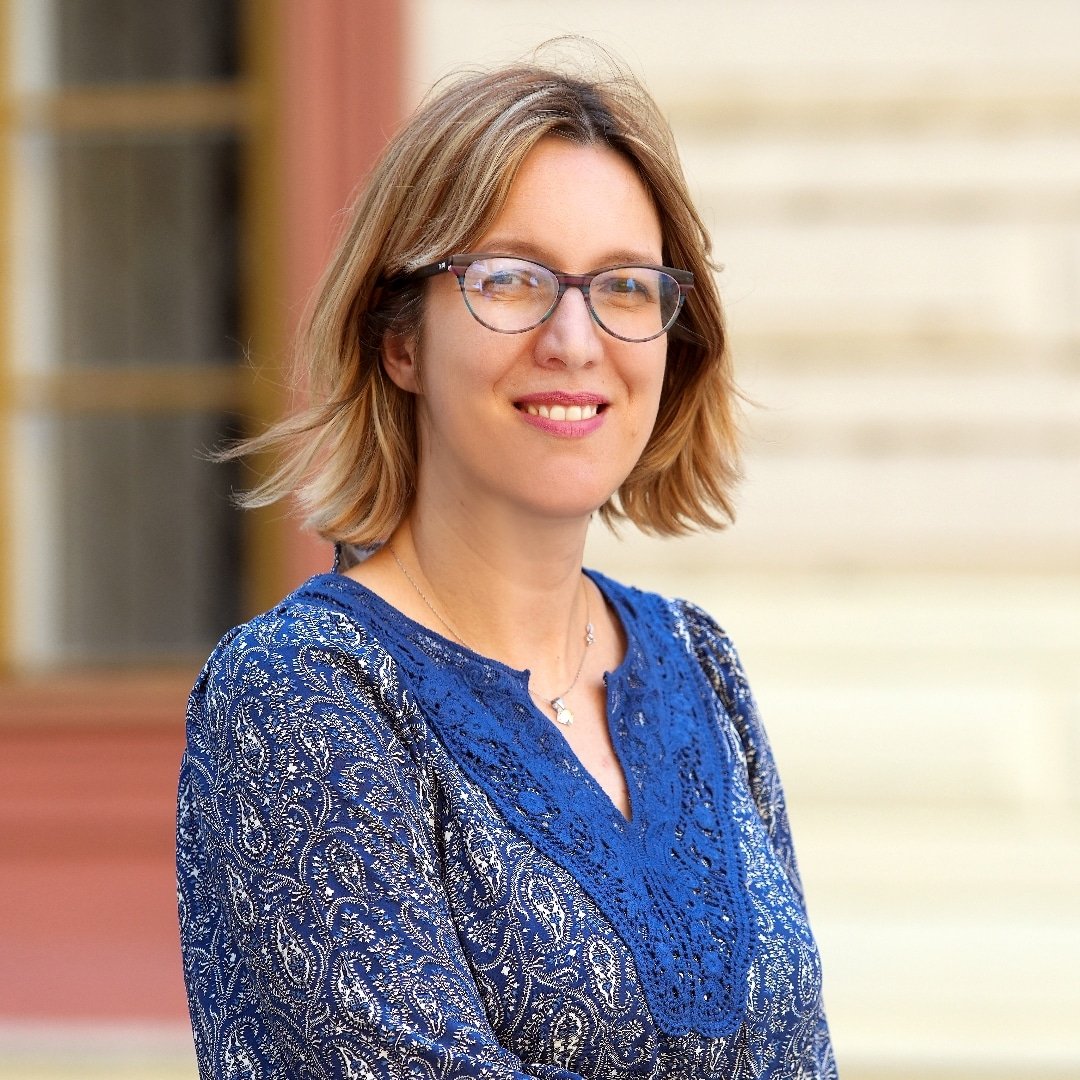
Marina Videnović
Marina Videnović is a Senior Research Associate at the Institute of Psychology. Her research focuses on adolescent learning and socialisation in school settings and during leisure time. She served as the lead analyst for the PISA 2018 and PISA 2022 studies. She has contributed to the national „PEER-Solvers“ project and the Erasmus+ „PROSTEAM“ project. She is currently a member of the team working on the Erasmus+ „Co-CREATE“ project.
Marina Videnović
Co-CREATE: Computer-Supported Collaborative Learning to Enhance Student Motivation
Marina Videnović is a Senior Research Associate at the Institute of Psychology. Her research focuses on adolescent learning and socialisation in school settings and during leisure time. She served as the lead analyst for the PISA 2018 and PISA 2022 studies. She has contributed to the national „PEER-Solvers“ project and the Erasmus+ „PROSTEAM“ project. She…
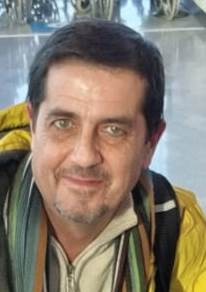
Martin Kalamković
Martin Kalamković, PhD, is an educator dedicated to fostering innovation and inclusion through technology. He works at the „Milan Petrović“ School for Primary and Secondary Education and the „Petnica“ Science Centre. As an ambassador for the international Scientix and eTwinning networks, he actively promotes innovative educational practices. He coordinates Erasmus+ projects, delivers invited lectures at the request of the Ministry of Education, and is the author of accredited professional development programmes.
Martin Kalamković
Opportunities for Using Virtual Reality (VR) Technologies to Promote Inclusion
Martin Kalamković, PhD, is an educator dedicated to fostering innovation and inclusion through technology. He works at the „Milan Petrović“ School for Primary and Secondary Education and the „Petnica“ Science Centre. As an ambassador for the international Scientix and eTwinning networks, he actively promotes innovative educational practices. He coordinates Erasmus+ projects, delivers invited lectures at…
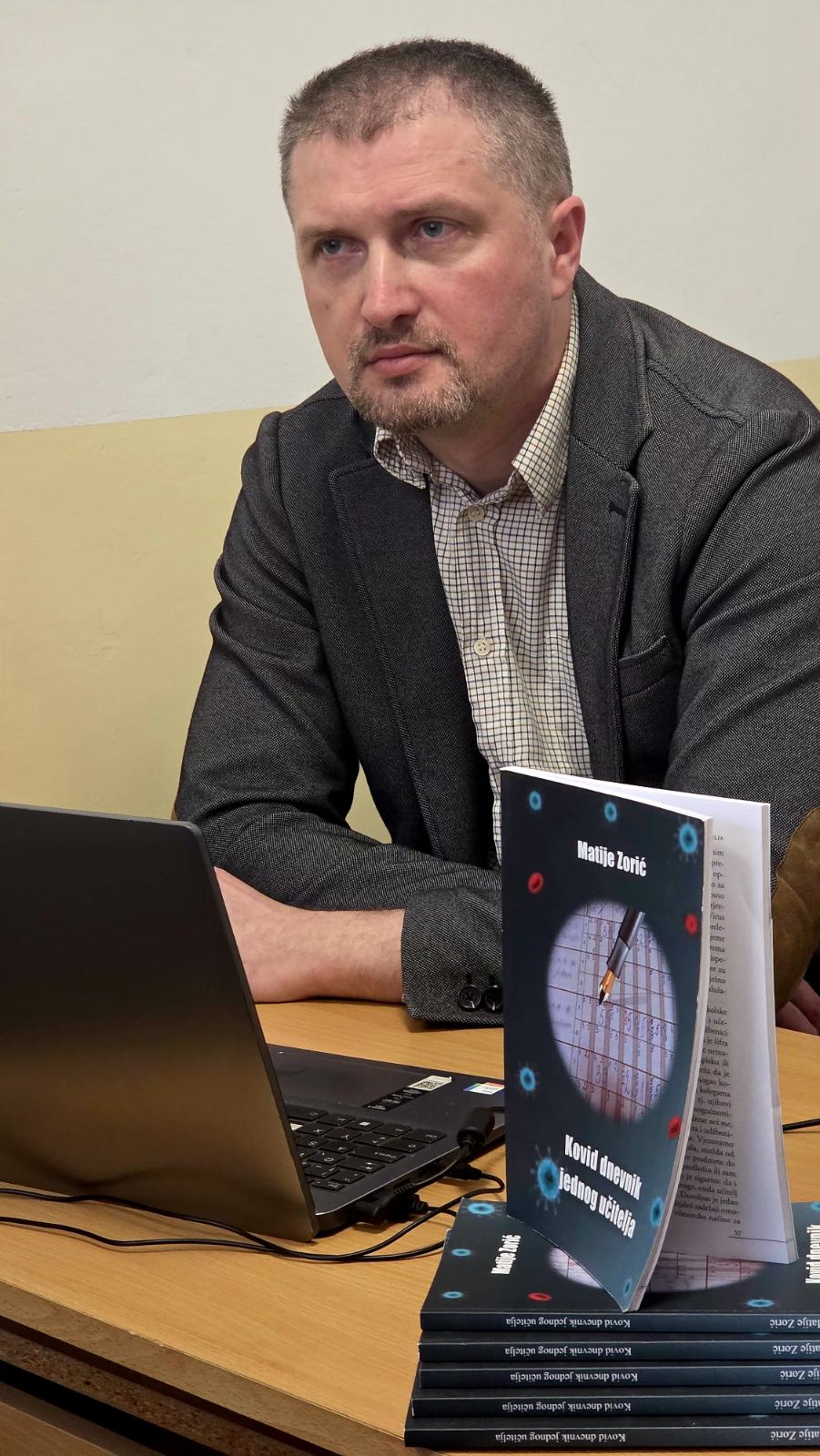
Matije Zorić
Matije Zorić holds a Master’s degree in Primary Education and has over 18 years of experience in primary school teaching, with particular expertise in rural schools and multigrade classrooms. His teaching practice incorporates modern teaching methods, digital technologies, and elements of artificial intelligence. He is the author of accredited professional development programmes, academic papers, and the book „A Teacher’s COVID Diary“. He has also participated in international conferences.
Matije Zorić
One Board, Multiple Possibilities: The SMART Board as a Learning Tool in a Multigrade Classroom in a Small Rural School
Matije Zorić holds a Master’s degree in Primary Education and has over 18 years of experience in primary school teaching, with particular expertise in rural schools and multigrade classrooms. His teaching practice incorporates modern teaching methods, digital technologies, and elements of artificial intelligence. He is the author of accredited professional development programmes, academic papers, and…
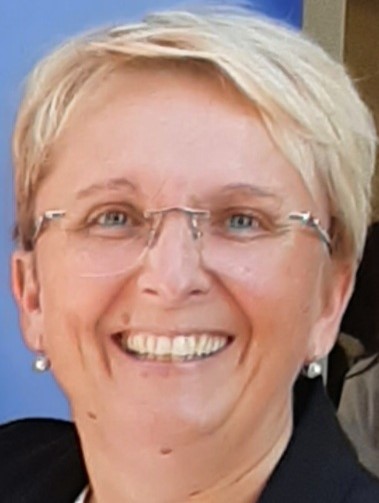
Melita Brodar
Melita Brodar is a chemistry teacher who graduated from the Faculty of Science and Mathematics. She teaches chemistry at „Ivana Kukuljević Sakcinski Primary School“ in Ivanec, Croatia. Her work places a strong emphasis on inquiry-based and experiential learning, fostering creativity, and working with gifted and highly motivated students. She actively contributes to the design and implementation of STEM activities, projects, and extracurricular programmes, while encouraging collaboration among students of different ages and cooperation within and beyond the school. She is involved in Erasmus+ activities and international cooperation and serves as a Scientix Ambassador and an ambassador for the Women Science Teachers initiative. She regularly presents her experience and examples of good practice at professional development events and conferences.
Melita Brodar
When AI Provides an Answer: How Can We Encourage Critical Thinking?
Melita Brodar is a chemistry teacher who graduated from the Faculty of Science and Mathematics. She teaches chemistry at „Ivana Kukuljević Sakcinski Primary School“ in Ivanec, Croatia. Her work places a strong emphasis on inquiry-based and experiential learning, fostering creativity, and working with gifted and highly motivated students. She actively contributes to the design and…
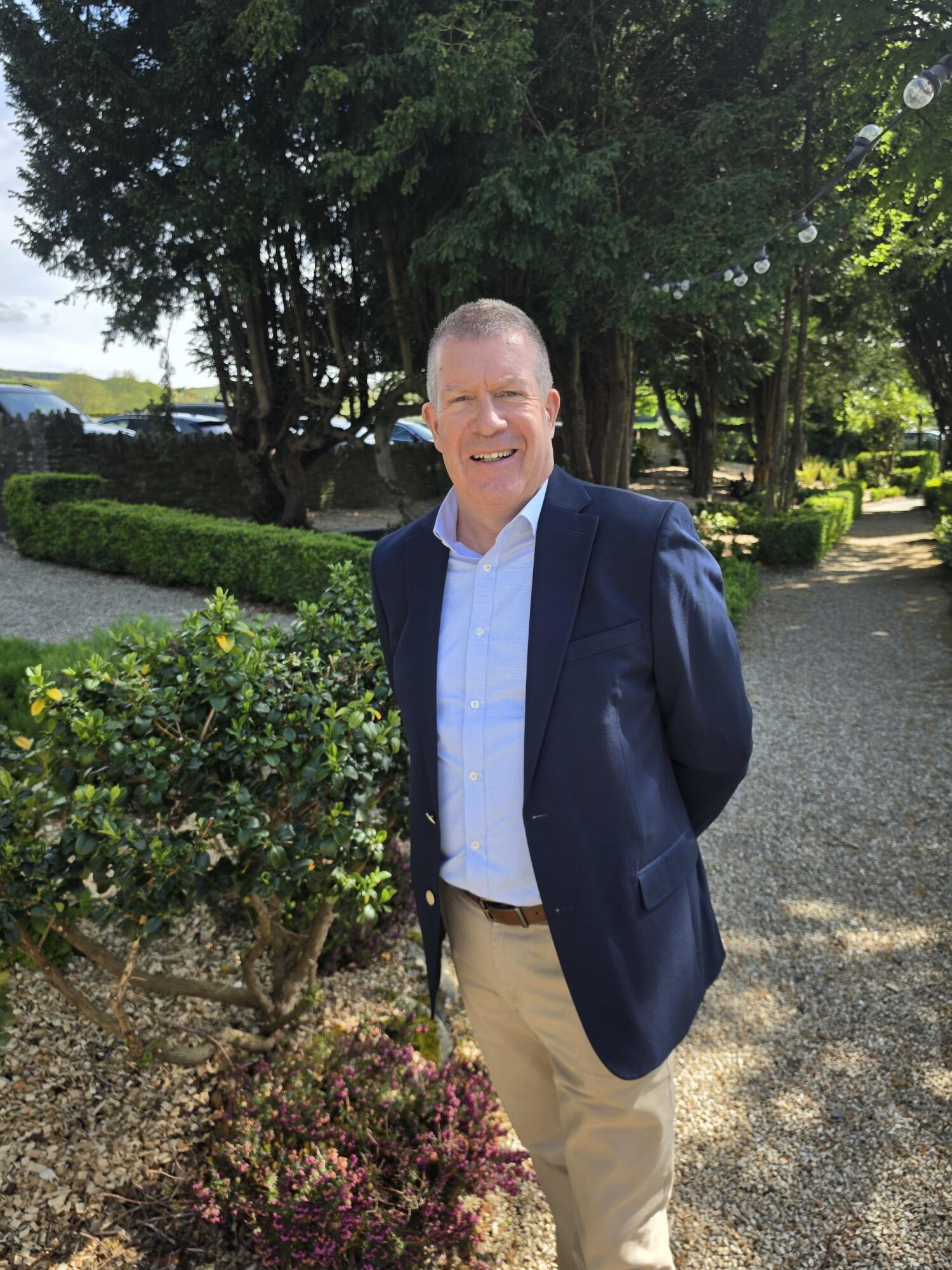
Michael Hallissy
Michael Hallissy is an international digital education specialist and co-founder of H2 Learning. He has worked as a consultant with the World Bank, the Irish Department of Education, the European Commission, UNICEF and UNESCO in the field of digital education over the past 25 years. He is research active and is involved in a range of Erasmus+ projects focused on aspects of digital education, including AI in education. As a former teacher he is cognisant of the key role teachers and school leaders play in designing and implementing digital change in schools, in a measured and sustainable way.
Michael Hallissy
Digital education: affirming what works and ensuring teachers are at the core
Michael Hallissy is an international digital education specialist and co-founder of H2 Learning. He has worked as a consultant with the World Bank, the Irish Department of Education, the European Commission, UNICEF and UNESCO in the field of digital education over the past 25 years. He is research active and is involved in a range…
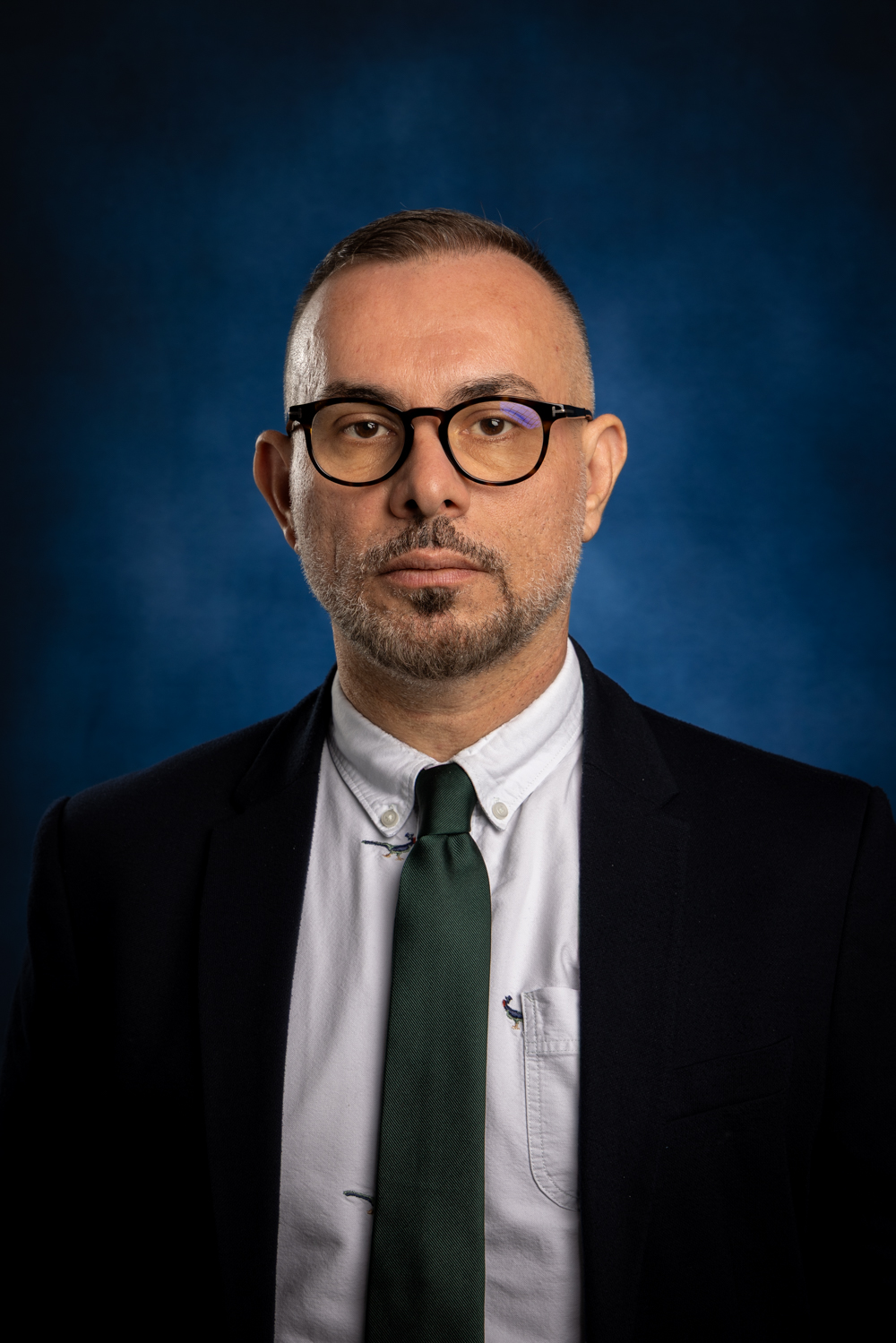
Milan Milanović
Milan Milanović is an Assistant Professor of English Language and Applied Linguistics at the University of Doha for Science and Technology (UDST), Qatar. His teaching and research interests include language assessment, AI in education, academic communication, and the pedagogically responsible use of generative AI in higher education.
Milan Milanović
From AI Literacy to Employability: Rethinking Teaching and Assessment for the AI-Enhanced Workplace
Milan Milanović is an Assistant Professor of English Language and Applied Linguistics at the University of Doha for Science and Technology (UDST), Qatar. His teaching and research interests include language assessment, AI in education, academic communication, and the pedagogically responsible use of generative AI in higher education.

Milena Vujanović
Milena Vujanović holds a Master’s degree in Early Childhood Education and works at the British International School in Belgrade. She completed both her undergraduate and master’s studies at the Faculty of Education in Užice, University of Kragujevac, and further developed her professional skills through academic mobility programmes at universities in Slovakia and Hungary. She is committed to continuous professional development in child psychology, psychological first aid, and play therapy. She speaks English, Turkish, Spanish, and Italian, and has published two poetry collections.
Milena Vujanović
Integrated Learning Through Digital Storytelling: Fostering Speech and Critical Thinking in Early Childhood
Milena Vujanović holds a Master’s degree in Early Childhood Education and works at the British International School in Belgrade. She completed both her undergraduate and master’s studies at the Faculty of Education in Užice, University of Kragujevac, and further developed her professional skills through academic mobility programmes at universities in Slovakia and Hungary. She is…

Milica Brajović
Milica Brajović holds a Master’s degree in Early Childhood Education and has 19 years of experience in the field. She participates in professional gatherings for early childhood educators and has authored several professional papers presented at conferences. Her particular interests include using digital technologies to foster children’s curiosity, promote learning through play, strengthen collaboration with families, and encourage professional exchange and sharing of experience.
Milica Brajović
Digital Tools to Support Learning Through Play, Family Engagement, and the Professional Development of Early Childhood Educators
Milica Brajović holds a Master’s degree in Early Childhood Education and has 19 years of experience in the field. She participates in professional gatherings for early childhood educators and has authored several professional papers presented at conferences. Her particular interests include using digital technologies to foster children’s curiosity, promote learning through play, strengthen collaboration with…

Milica Crnjaković
Milica Crnjaković is an early childhood educator at the “Jelica Obradović” Preschool Institution in Mladenovac. Through her commitment and creativity, she actively contributes to improving educational practice and supporting the development of the institution. She has pursued her professional career within the institution at the “Breze” kindergarten. Her particular interests and expertise focus on collaboration with the local community, building successful partnerships and connecting children with their wider environment. As a regular presenter at the institution’s professional meetings, she enjoys sharing good practices and exchanging experiences with colleagues. She continuously develops her professional competencies by participating in numerous seminars and professional training programmes, contributing to innovative practice and the overall quality of the institution’s work.
Milica Crnjaković
Cultivating a Culture of Digital Technology Use in Early Childhood Education: Strengthening a Learning Community Through Collaboration and Connection
Milica Crnjaković is an early childhood educator at the “Jelica Obradović” Preschool Institution in Mladenovac. Through her commitment and creativity, she actively contributes to improving educational practice and supporting the development of the institution. She has pursued her professional career within the institution at the “Breze” kindergarten. Her particular interests and expertise focus on collaboration…
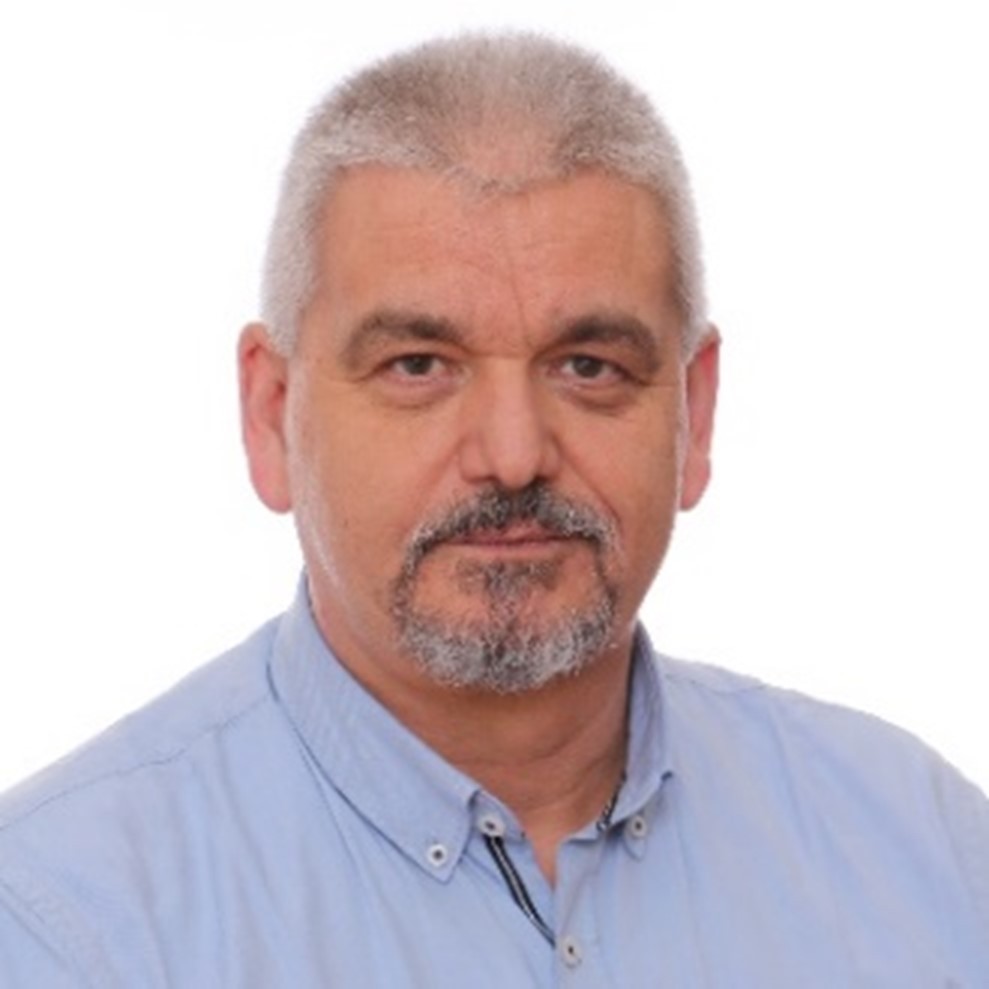
Mirza Žižak
Prof. Mirza Žižak, MD, PhD, is Head of the Department of Physiology and Chair of the Department of Physiology and Immunology, as well as Head of the E-Learning Office and Editor-in-Chief of the web portal at the University of Zagreb School of Medicine (MEF). For the past 25 years, his scientific and professional interests have focused on the development of e-learning and the use of innovative teaching methods in higher education. He has led numerous workshops on the application of AI-supported innovative pedagogical approaches and e-learning at various faculties and universities in Croatia and Bosnia and Herzegovina. He has led or partnered in several research, educational, and pilot projects, including the Erasmus+ projects SAILeR, AHEDIS, and NANO-THINK, as well as the e-Sveučilište pilot project.
Mirza Žižak
Self-Regulated Learning as a Prerequisite for a Successful Flipped Classroom: The 3D-SRL Conceptual Model
Prof. Mirza Žižak, MD, PhD, is Head of the Department of Physiology and Chair of the Department of Physiology and Immunology, as well as Head of the E-Learning Office and Editor-in-Chief of the web portal at the University of Zagreb School of Medicine (MEF). For the past 25 years, his scientific and professional interests have…

Mladenka Obućina
Mladenka Obućina holds a degree in Psychology and has worked in education since 2010 as both a teacher and a school psychologist. She designs and delivers accredited teacher training programmes and presents at accredited conferences. She is also a member and presenter at the National Section of Educational Support Professionals. Her work focuses on preventive, counselling, and educational support.
Mladenka Obućina
The Eighth-Grade Final Exam, Big Emotions: An Interactive Digital Tool to Educate and Support Students Preparing for the Final Exam
Mladenka Obućina holds a degree in Psychology and has worked in education since 2010 as both a teacher and a school psychologist. She designs and delivers accredited teacher training programmes and presents at accredited conferences. She is also a member and presenter at the National Section of Educational Support Professionals. Her work focuses on preventive,…