

Below you will find answers to the questions most frequently asked by speakers at previous editions of the conference. If you cannot find the information you are looking for, please feel free to contact us.
Samira Bührer
Samira Bührer is an education policy professional with international experience in European education policy, higher education and digital learning. She has worked with European and international networks in Brussels and focuses on AI, immersive learning, education innovation and the future of skills.
Samira Bührer
The Avatar State: How AI and Immersive Learning Can Create Safer Spaces for Participation and Inclusion
Samira Bührer is an education policy professional with international experience in European education policy, higher education and digital learning. She has worked with European and international networks in Brussels and focuses on AI, immersive learning, education innovation and the future of skills.
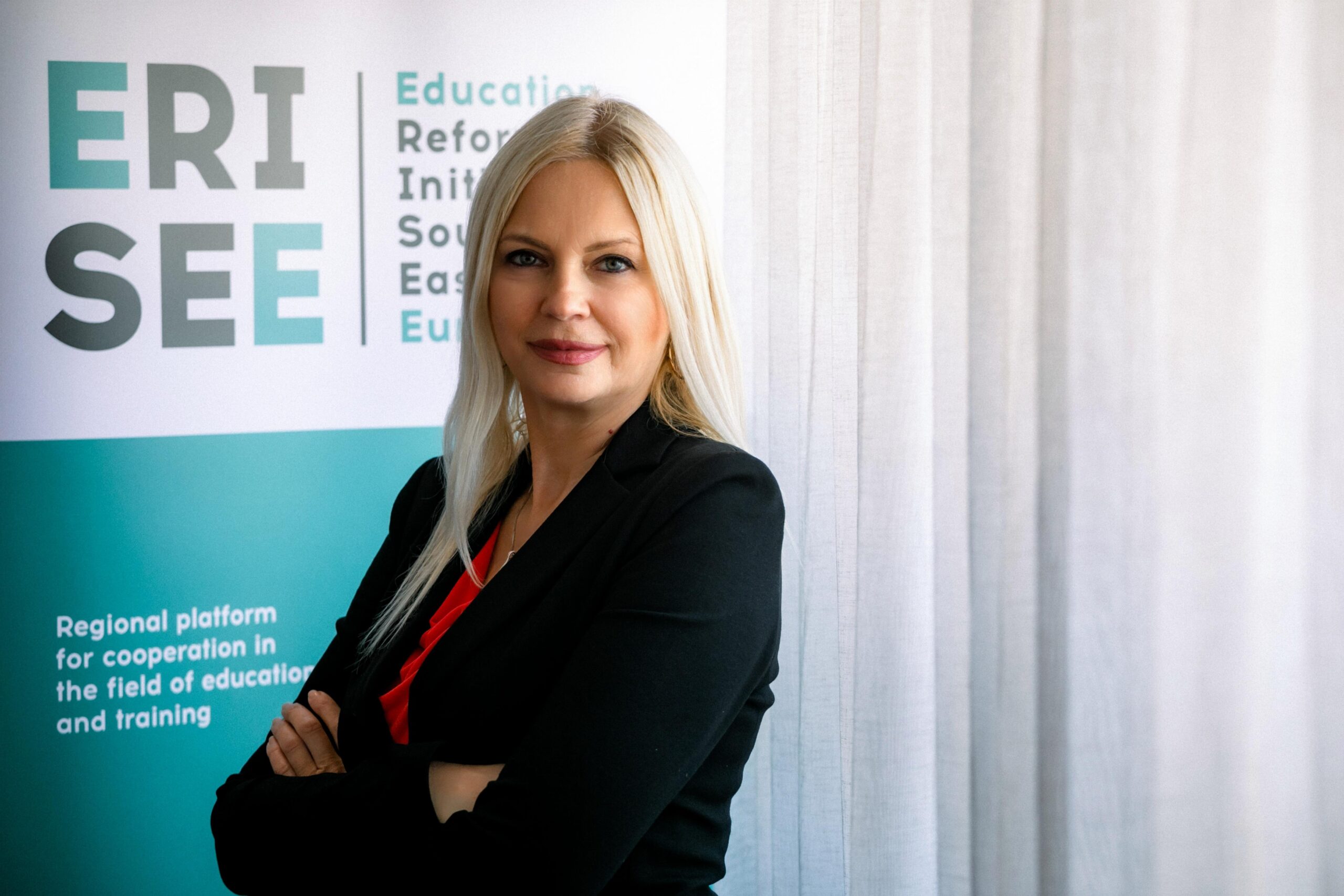
Sandra Brkanović
Sandra Brkanović is Director of the Education Reform Initiative of South Eastern Europe (ERI SEE) Secretariat. She leads regional cooperation in education and training, supporting national reforms and partnerships across South Eastern Europe, with a focus on vocational education, teacher education and training, quality assurance, digital transition and digitalisation.
Sandra Brkanović
Regional Cooperation for Digital Education and Teacher Development in South Eastern Europe
Sandra Brkanović is Director of the Education Reform Initiative of South Eastern Europe (ERI SEE) Secretariat. She leads regional cooperation in education and training, supporting national reforms and partnerships across South Eastern Europe, with a focus on vocational education, teacher education and training, quality assurance, digital transition and digitalisation.
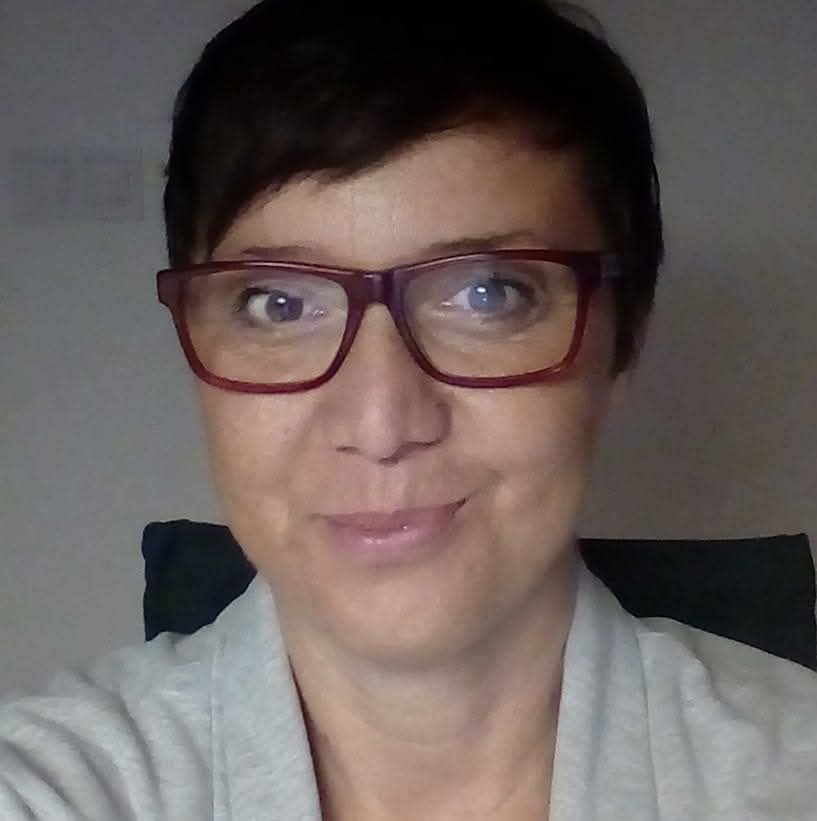
Sanja Sajko
Sanja Sajko is an Early Childhood Education Adviser from Zagreb with many years of experience in early childhood and preschool education. Her work focuses on children’s holistic development, with a particular emphasis on participation in numerous eTwinning projects. She actively incorporates modern teaching methods and digital tools into her work in kindergarten and regularly presents at professional conferences and events in Croatia and the wider region.
Sanja Sajko
Unplugged Coding: How to Introduce Computational Thinking to Young Children in Early Childhood Education
Sanja Sajko is an Early Childhood Education Adviser from Zagreb with many years of experience in early childhood and preschool education. Her work focuses on children’s holistic development, with a particular emphasis on participation in numerous eTwinning projects. She actively incorporates modern teaching methods and digital tools into her work in kindergarten and regularly presents…
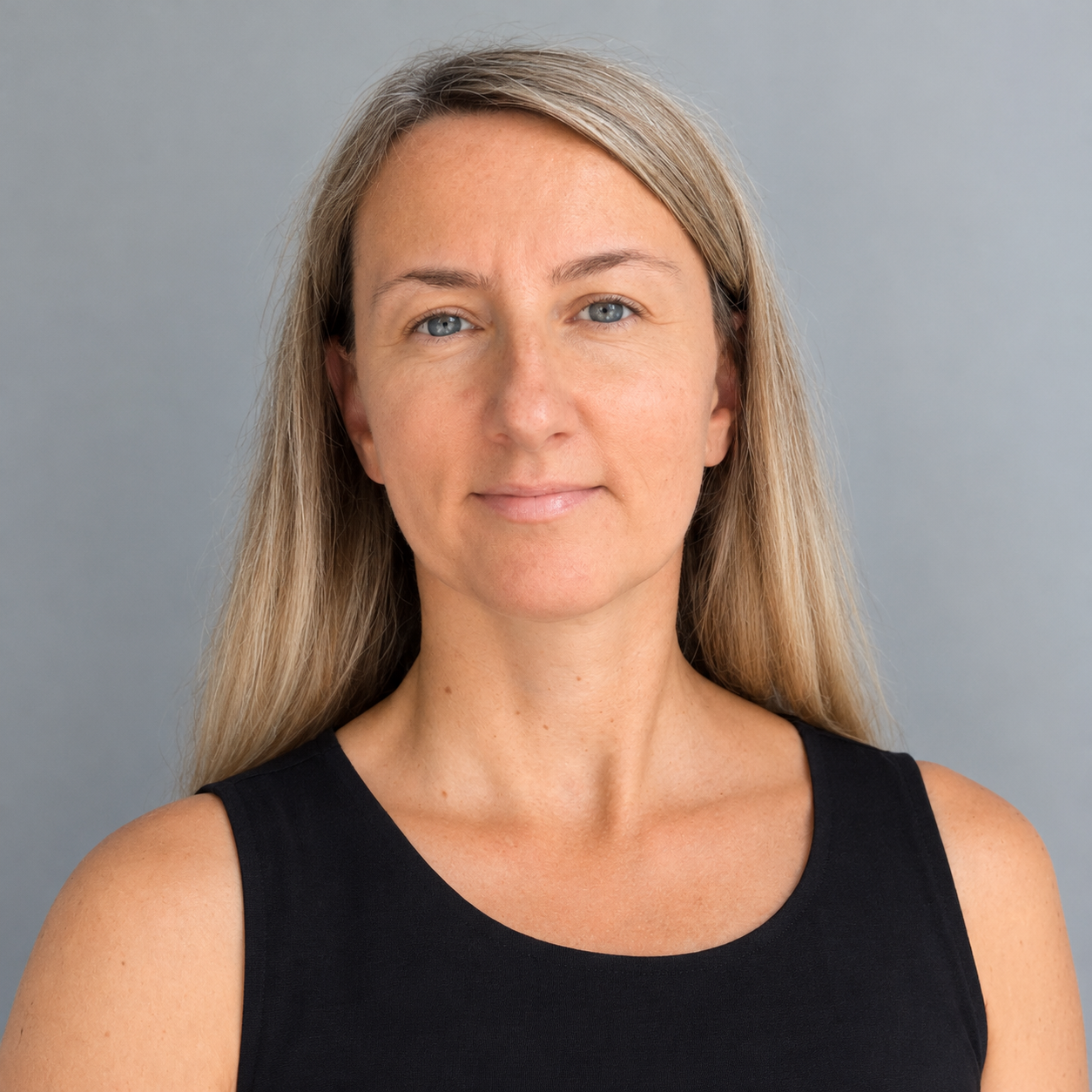
Slavica Jeremić
Slavica Jeremić holds a Master’s degree in Professional Early Childhood Education and has over 16 years of experience in early childhood education. She works at „Bambi“ Preschool Institution in Bor, Serbia. Her professional work focuses on exploring children’s participation, pedagogical documentation, and reflective practice, with a particular emphasis on integrating digital technologies and artificial intelligence tools into early childhood education. Examples of her good practice have been recognised at numerous professional events in Serbia and the wider region. This is her third time participating as a speaker at the „Digital Education“ Conference.
Slavica Jeremić
Digital Traces of Learning: AI and Technology in the Service of Reflective Practice
Slavica Jeremić holds a Master’s degree in Professional Early Childhood Education and has over 16 years of experience in early childhood education. She works at „Bambi“ Preschool Institution in Bor, Serbia. Her professional work focuses on exploring children’s participation, pedagogical documentation, and reflective practice, with a particular emphasis on integrating digital technologies and artificial intelligence…
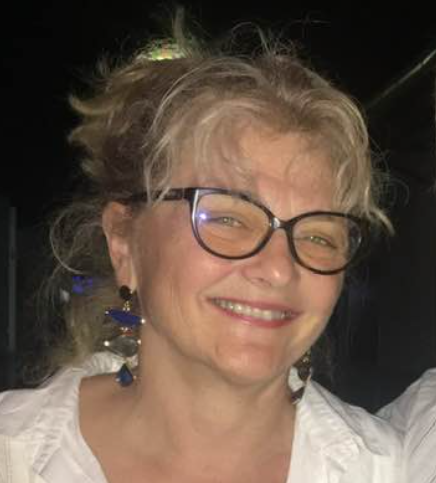
Snežana Marković
Snežana Marković is a computing teacher with 35 years of experience in advancing computer science education and digital learning. She designs and delivers online and hybrid professional development programmes and educational projects. She collaborates with the British Council and has worked with UNICEF, the Institute for the Improvement of Education (ZUOV), and the Institute for Education Quality and Evaluation (ZVKOV). She has also contributed to the development of strategic documents on digital education. At her school, she coordinates the Makers Lab.
Snežana Marković
When Students Become Researchers and Creators: Digital Technologies in Collaborative and Cross-Curricular Learning – Insights from the “Women Scientists Today – Inspiration for the Future” Project
Snežana Marković is a computing teacher with 35 years of experience in advancing computer science education and digital learning. She designs and delivers online and hybrid professional development programmes and educational projects. She collaborates with the British Council and has worked with UNICEF, the Institute for the Improvement of Education (ZUOV), and the Institute for Education…
Suzana Janković
Suzana Janković is an English language teacher with 22 years of teaching experience. She chairs a subject department and coordinates the Professional Development and Teaching Digitalisation Team. At the GSP Technical School, she is developing a hybrid approach to teaching English for Specific Purposes, integrating artificial intelligence into teaching and learning and creating tailored learning materials to meet the needs of students in different technical fields.
Suzana Janković
Artificial Intelligence in English for Specific Purposes Teaching: A Personalised Approach for Vocational School Students
Suzana Janković is an English language teacher with 22 years of teaching experience. She chairs a subject department and coordinates the Professional Development and Teaching Digitalisation Team. At the GSP Technical School, she is developing a hybrid approach to teaching English for Specific Purposes, integrating artificial intelligence into teaching and learning and creating tailored learning…