

Below you will find answers to the questions most frequently asked by speakers at previous editions of the conference. If you cannot find the information you are looking for, please feel free to contact us.
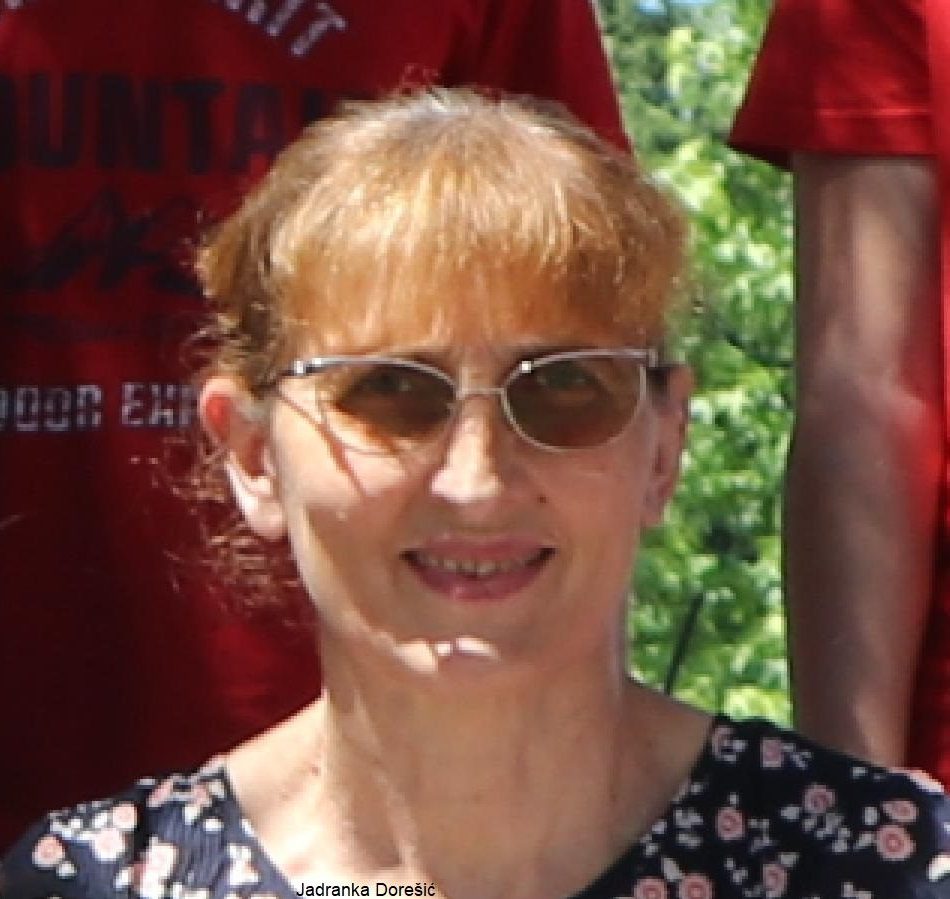
Jadranka Dorešić
Jadranka Dorešić holds a Master’s degree in Economics and is a teacher and adviser at „Ivan Švear“ Secondary School in Ivanić-Grad, Croatia, with 30 years of experience in education. She has co-authored three modular textbooks and written professional papers. She regularly engages students in competitions and projects. She has been selected twice as one of the 500 most outstanding teachers and, in 2026, received the national Ivan Filipović Award.
Jadranka Dorešić
Developing Media Literacy Through an Analysis of the Impact of Influencers and Digital Marketing on Young People’s Consumption Habits
Jadranka Dorešić holds a Master’s degree in Economics and is a teacher and adviser at „Ivan Švear“ Secondary School in Ivanić-Grad, Croatia, with 30 years of experience in education. She has co-authored three modular textbooks and written professional papers. She regularly engages students in competitions and projects. She has been selected twice as one of…
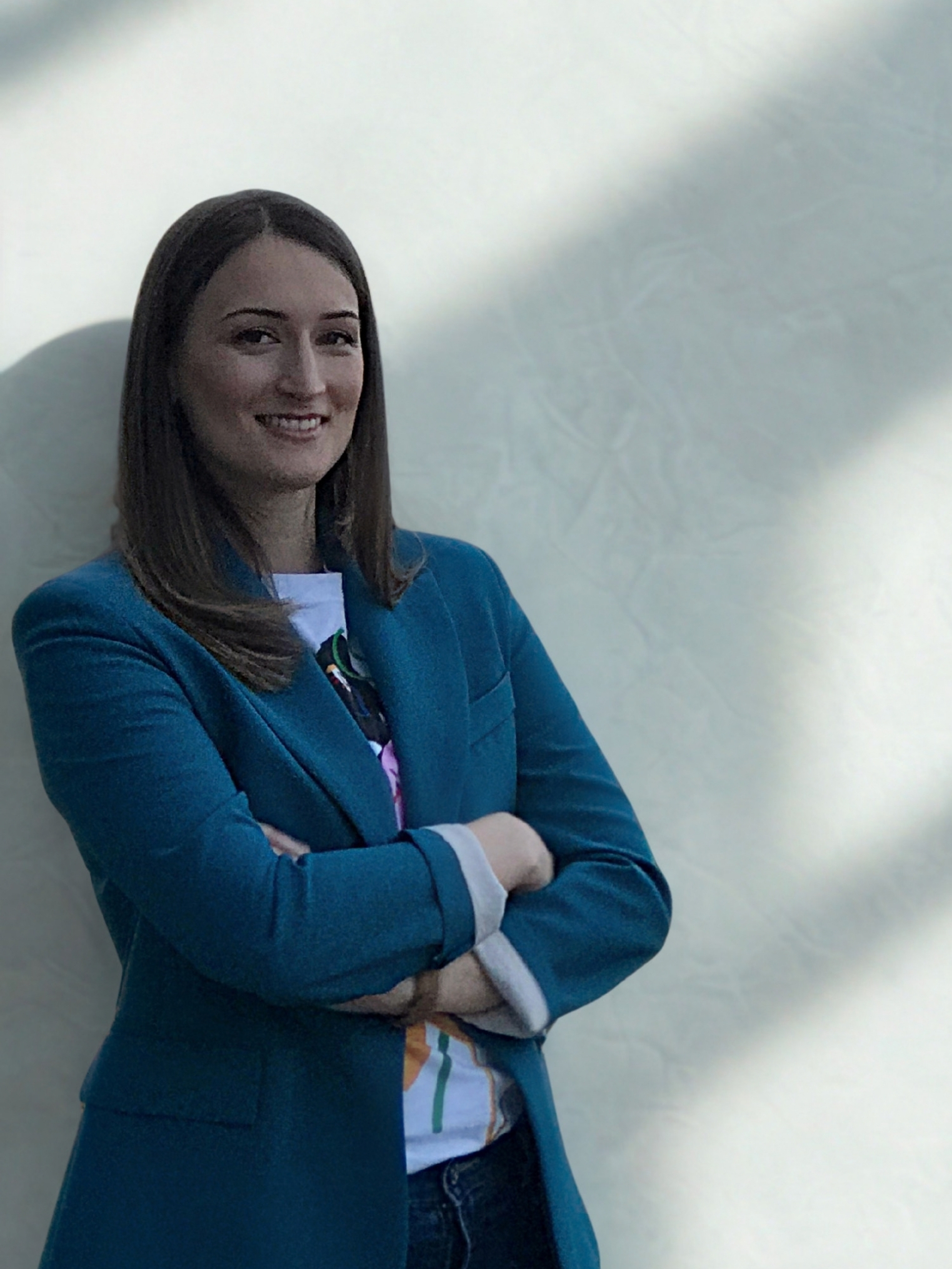
Jasmina Kovačević
Jasmina Kovačević is a Serbian Language and Literature teacher and Pedagogical Adviser at „Skadarlija“ Primary School in Belgrade. Her teaching combines literature, cultural heritage, and contemporary digital tools to foster critical thinking, independence, and peer learning. She participates in international eTwinning and Erasmus+ projects and develops innovative, student-centred teaching approaches.
Jasmina Kovačević
Myths, Imagination and Artificial Intelligence: From a Child’s Idea to Digital Creation
Jasmina Kovačević is a Serbian Language and Literature teacher and Pedagogical Adviser at „Skadarlija“ Primary School in Belgrade. Her teaching combines literature, cultural heritage, and contemporary digital tools to foster critical thinking, independence, and peer learning. She participates in international eTwinning and Erasmus+ projects and develops innovative, student-centred teaching approaches.

Jasmina Majstorović
Jasmina Majstorović is an early childhood educator at the “Breze” kindergarten. She actively contributes to building the kindergarten’s culture by designing learning environments, creating sets and scenery for various purposes, and enhancing the aesthetics of the space. She has skills in the use of ICT tools and is responsible at the kindergarten level for producing videos and other digital materials. She coordinates the kindergarten’s Child Protection Team, which addresses abuse, neglect, violence, and discrimination, and actively contributes to developing the Action Plan and monitoring its implementation. She has participated in competitions organised by the Association of Preschool Educators for the best teaching aid. In recognition of her skills and creativity, she is also frequently involved in designing sets and scenery for various events organised by the institution.
Jasmina Majstorović
Cultivating a Culture of Digital Technology Use in Early Childhood Education: Strengthening a Learning Community Through Collaboration and Connection
Jasmina Majstorović is an early childhood educator at the “Breze” kindergarten. She actively contributes to building the kindergarten’s culture by designing learning environments, creating sets and scenery for various purposes, and enhancing the aesthetics of the space. She has skills in the use of ICT tools and is responsible at the kindergarten level for producing…
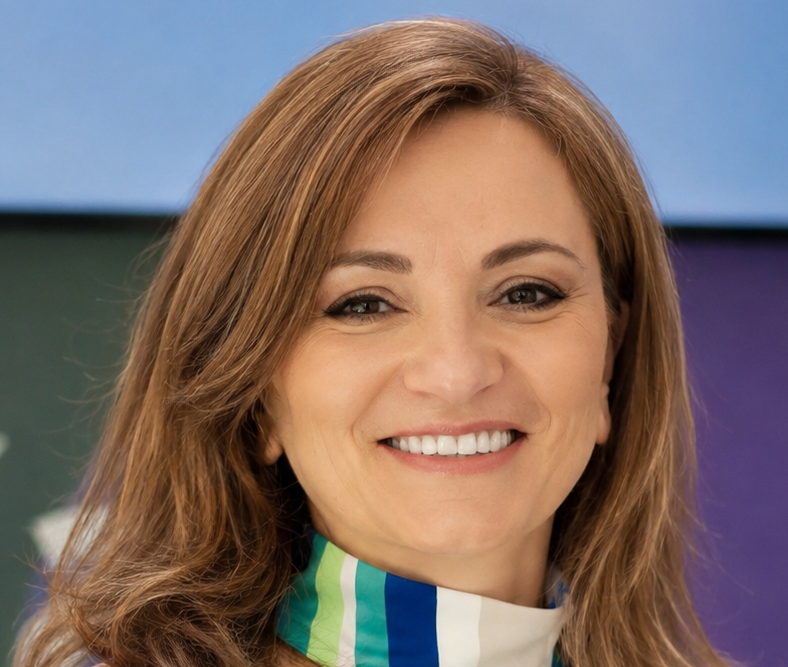
Jasna Marković
Jasna Marković is a mathematician, former teacher, and former secondary school principal with over 20 years of experience in education. Since 2023, she has been working on international projects focused on evaluating and improving AI systems, particularly in mathematics, STEM, and education. Her work bridges pedagogical expertise and the evaluation of AI response quality.
Jasna Marković
When AI Becomes a Tutor: Who Checks Whether It Really Helps Students?
Jasna Marković is a mathematician, former teacher, and former secondary school principal with over 20 years of experience in education. Since 2023, she has been working on international projects focused on evaluating and improving AI systems, particularly in mathematics, STEM, and education. Her work bridges pedagogical expertise and the evaluation of AI response quality.
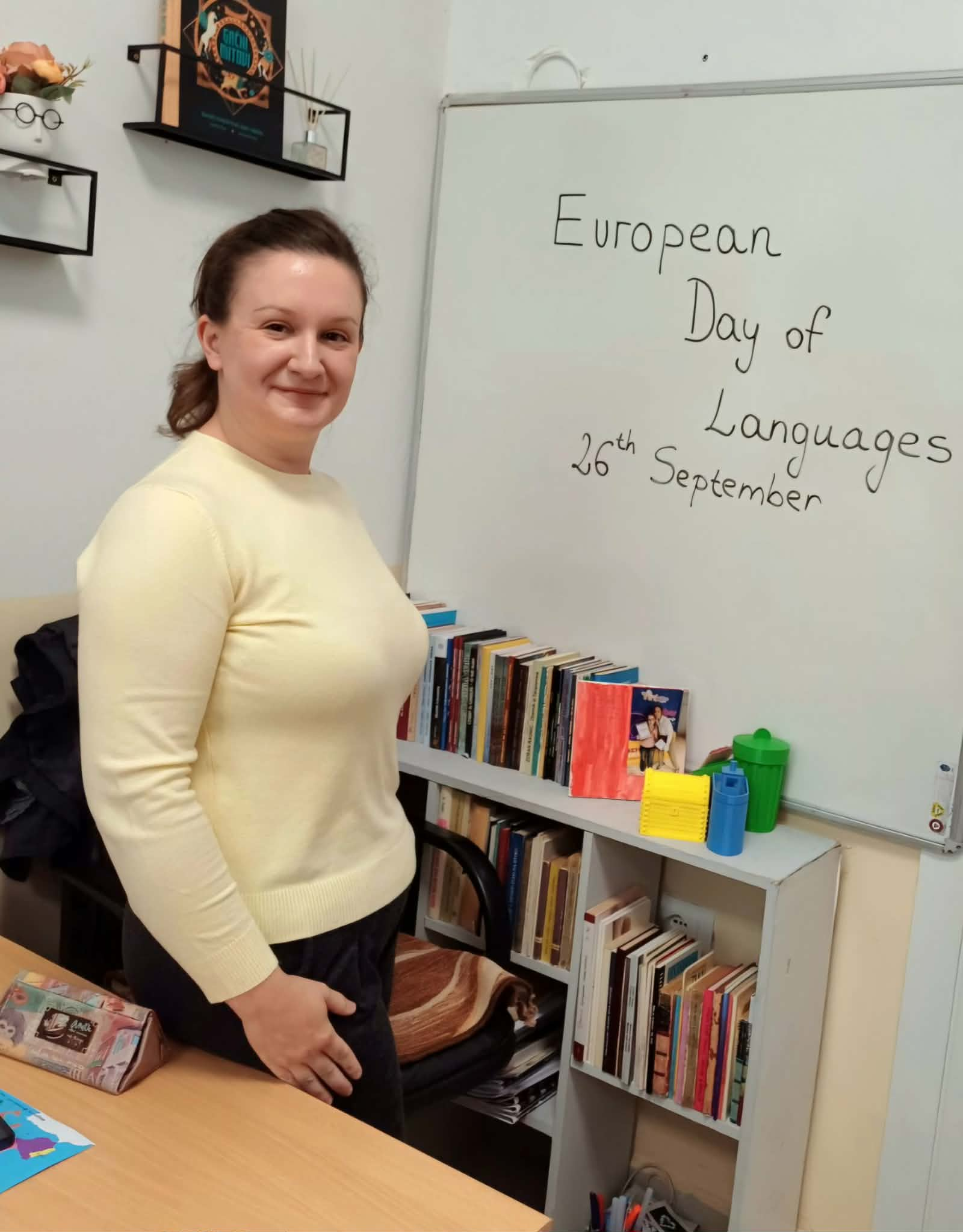
Jelena Damjanović
Jelena Damjanović is an English language teacher from Pljevlja, Montenegro. In 2012, she graduated from the Faculty of Philosophy at the University of Montenegro, specialising in English Language and Literature with a focus on teacher education.
Throughout her career, she has gained experience working in various primary and secondary schools in the Pljevlja area, teaching students of different ages and in diverse educational settings. Her work places particular emphasis on modern foreign language teaching methods, active student engagement, the use of digital technologies, and adapting instruction to students’ needs.
She is the author of the professional article “Teaching in a Multigrade Classroom During Remote Learning”, published in the journal Vaspitanje i obrazovanje. She has participated in international conferences and professional events in education, with a particular interest in contemporary teaching approaches, digital education, and the improvement of educational practice.
She also takes part in international educational activities and projects and has mentored students participating in the international Willkommen competition.
In her professional practice, she strives to combine contemporary pedagogical approaches, digital competencies, and creative teaching methods to make English language learning engaging, accessible, and meaningful for students.
She currently teaches English at Mihailo Žugić Primary School in Pljevlja, Montenegro.
Jelena Damjanović
One Board, Multiple Possibilities: The SMART Board as a Learning Tool in a Multigrade Classroom in a Small Rural School
Jelena Damjanović is an English language teacher from Pljevlja, Montenegro. In 2012, she graduated from the Faculty of Philosophy at the University of Montenegro, specialising in English Language and Literature with a focus on teacher education. Throughout her career, she has gained experience working in various primary and secondary schools in the Pljevlja area, teaching…
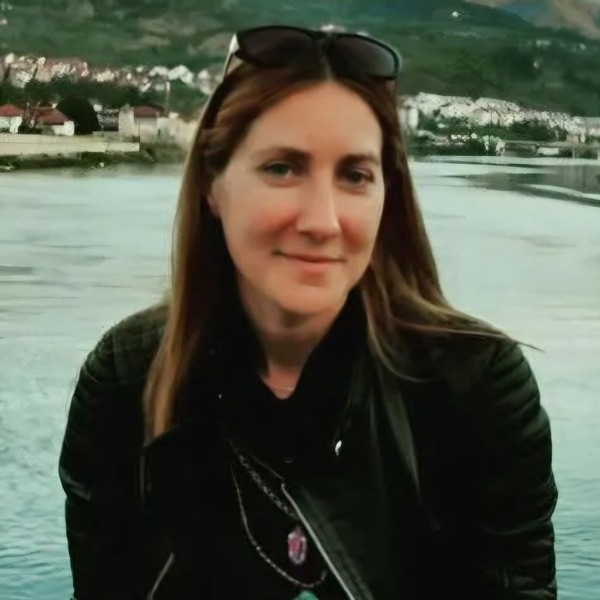
Jelena Nikolić
Jelena Nikolić is an early childhood educator who has completed specialist studies focused on applying contemporary approaches to teaching and learning. She has participated in programmes such as Using Bee-Bot Robots in Preschool, Discovering the Digital World, and Photographs in the Years of Ascent, as well as in an Education Fair. She has led an exemplary activity entitled European Cuisine and organised a Bee-Bot Olympics. Her particular interests include digital innovation, creative learning, and the development of children’s competences.
Jelena Nikolić
Learning and Play in the Digital Age
Jelena Nikolić is an early childhood educator who has completed specialist studies focused on applying contemporary approaches to teaching and learning. She has participated in programmes such as Using Bee-Bot Robots in Preschool, Discovering the Digital World, and Photographs in the Years of Ascent, as well as in an Education Fair. She has led an…
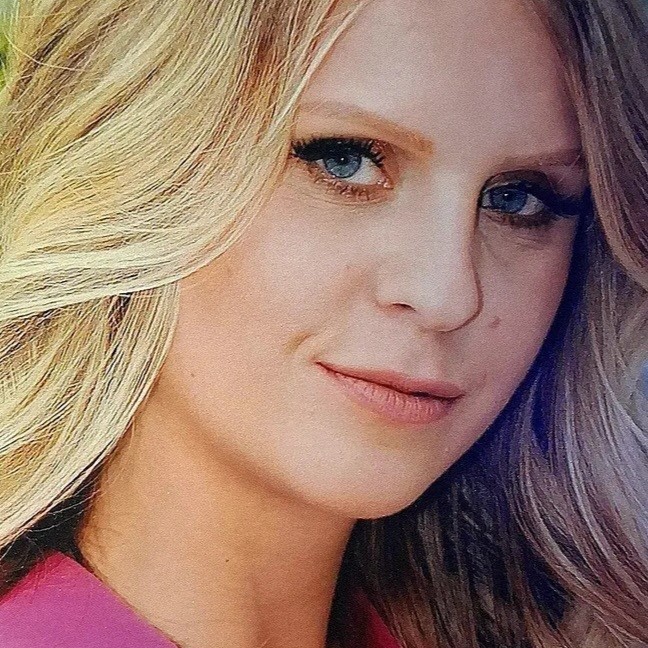
Jelena Stojanovska
Jelena Stojanovska holds a Master’s degree in Early Childhood Education and has six years of professional experience. She completed her master’s studies at the Faculty of Teacher Education, University of Belgrade. She continuously develops her professional skills by participating in conferences, including those organised by BAPTA and Mensa, as well as events in Kladovo and Novi Sad and at the Faculty of Teacher Education in Belgrade. In her practice, she successfully integrates digital technologies into play-based activities, supporting children’s holistic development.
Jelena Stojanovska
Learning and Play in the Digital Age
Jelena Stojanovska holds a Master’s degree in Early Childhood Education and has six years of professional experience. She completed her master’s studies at the Faculty of Teacher Education, University of Belgrade. She continuously develops her professional skills by participating in conferences, including those organised by BAPTA and Mensa, as well as events in Kladovo and…
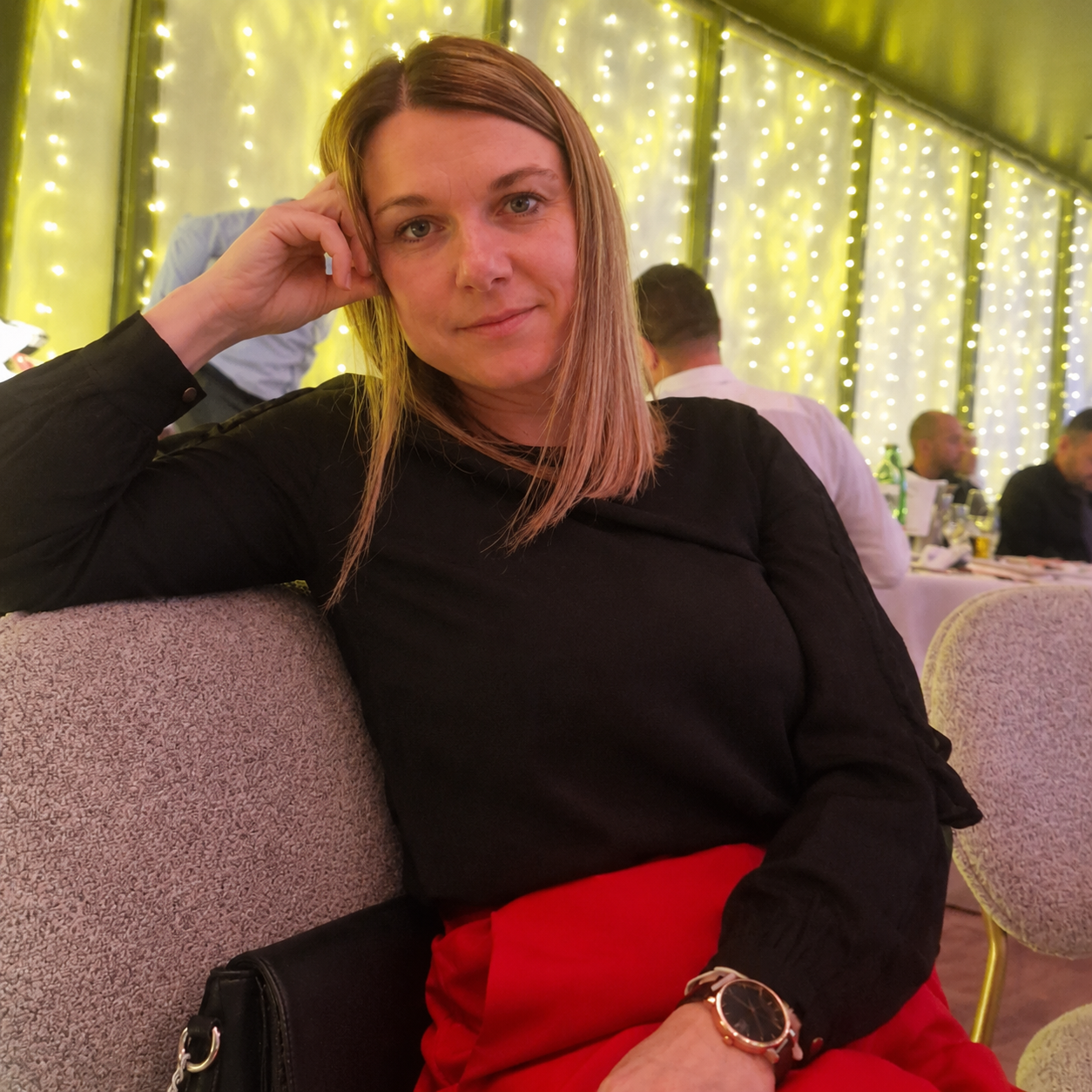
Jelena Vukajlović
Jelena Vukajlović is an early childhood educator with 19 years of experience in early childhood education. She is the author of professional papers and examples of good practice presented at professional meetings and conferences. Her work focuses particularly on children’s participation, the development of an authentic curriculum, and the meaningful integration of digital technologies into everyday kindergarten practice.
Jelena Vukajlović
When Digital Technology Makes Sense: Thoughtful Use of Digital Technologies in Developing an Authentic Curriculum
Jelena Vukajlović is an early childhood educator with 19 years of experience in early childhood education. She is the author of professional papers and examples of good practice presented at professional meetings and conferences. Her work focuses particularly on children’s participation, the development of an authentic curriculum, and the meaningful integration of digital technologies into…

José M. Cañas
José M. Cañas cofounded the RoboticsLabURJC at Universidad Rey Juan Carlos, where he holds a Full Professor tenured position. His interests include AI driven Robotics and Robotics Education. He leads the non profit JdeRobot organization, which develops open source software on Robotics and AI, and has been selected by Google for GSoC 2017-2026.
José M. Cañas
Unibotics: hands-on robotics learning in Higher Education, programming robots from the web browser
José M. Cañas cofounded the RoboticsLabURJC at Universidad Rey Juan Carlos, where he holds a Full Professor tenured position. His interests include AI driven Robotics and Robotics Education. He leads the non profit JdeRobot organization, which develops open source software on Robotics and AI, and has been selected by Google for GSoC 2017-2026.