

Below you will find answers to the questions most frequently asked by speakers at previous editions of the conference. If you cannot find the information you are looking for, please feel free to contact us.

Aleksa Eremija
Aleksa Eremija is a pedagogue and a specialist in Internet technologies. He works at the Institute for the Improvement of Education of the Republic of Serbia, within the Center for Professional Development of Education Personnel, as an advisor–coordinator.
He is engaged in the development and implementation of digital educational technologies, the preparation and delivery of national teacher training programs, as well as in the application and development of artificial intelligence in education.
Aleksa Eremija
ZUOV Support for Teachers: From Digital Competences to AI Literacy
Aleksa Eremija is a pedagogue and a specialist in Internet technologies. He works at the Institute for the Improvement of Education of the Republic of Serbia, within the Center for Professional Development of Education Personnel, as an advisor–coordinator. He is engaged in the development and implementation of digital educational technologies, the preparation and delivery of…

Aleksander Stojićević
Aleksander Stojićević is an IT and business leader with over 25 years of experience in software development, leading development organisations, and international cooperation. He began his career as a software engineer and teaching associate at the Faculty of Technical Sciences in Novi Sad. Over the course of his career, he has taken on responsibility for increasingly large development teams and organisations, including a development organisation of approximately 350 people. He currently heads Intergroup Services at Schneider Electric, focusing on sourcing and collaboration with other Schneider Electric entities. Since 2026, he has also served as Director of the Young Talent Centre Foundation, where he works on developing its educational model and promoting mathematics and programming among young people.
Aleksander Stojićević
Young Talent Centre Foundation
Aleksander Stojićević is an IT and business leader with over 25 years of experience in software development, leading development organisations, and international cooperation. He began his career as a software engineer and teaching associate at the Faculty of Technical Sciences in Novi Sad. Over the course of his career, he has taken on responsibility for…
Aleksandra Hohnjec
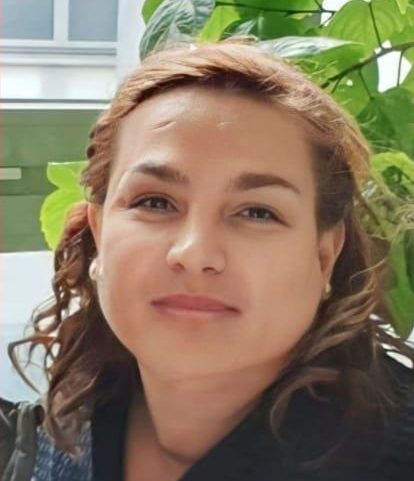
Aleksandra Hohnjec holds a degree in Economics and works as a teacher at the School of Economics and Business Administration in Bjelovar, Croatia. She was a member of the Croatian national team at the 2022 Intersteno World Congress in Maastricht. Her work places a particular emphasis on supporting gifted students. She has been selected three times as one of Croatia’s most outstanding education professionals and is a recipient of the national Media Socrates Award.
Aleksandra Hohnjec
Developing Media Literacy Through an Analysis of the Impact of Influencers and Digital Marketing on Young People’s Consumption Habits
Aleksandra Hohnjec holds a degree in Economics and works as a teacher at the School of Economics and Business Administration in Bjelovar, Croatia. She was a member of the Croatian national team at the 2022 Intersteno World Congress in Maastricht. Her work places a particular emphasis on supporting gifted students. She has been selected three…
Aleksandra Jocić
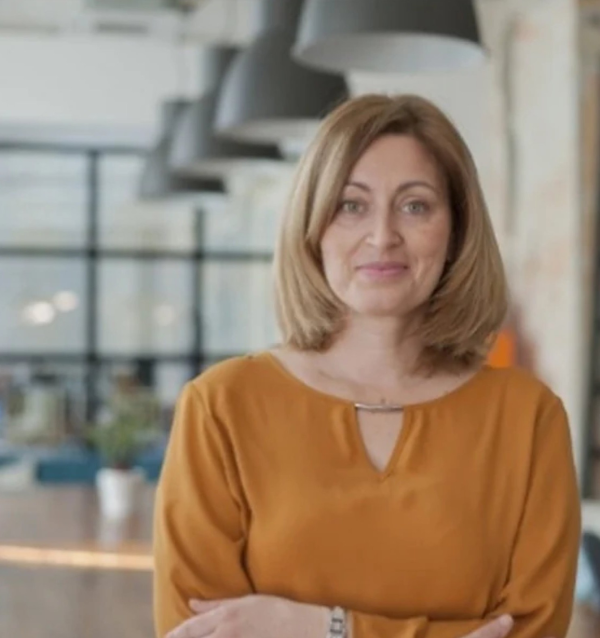
Aleksandra Jocić is a primary school teacher, holds a master’s degree in Preschool Education, and works as a preschool practitioner at the „11 April“ Preschool Institution. A dedicated educator, she actively participates in professional conferences, where she regularly presents her own work and examples of good practice. Through her presentations and projects, she focuses on innovative teaching methods and digital tools that foster children’s creativity, curiosity, and critical thinking.
Aleksandra Jocić
Creating a Guided Play Activity „The Gift Hunt“ Using Digital and AI Tools
Aleksandra Jocić is a primary school teacher, holds a master’s degree in Preschool Education, and works as a preschool practitioner at the „11 April“ Preschool Institution. A dedicated educator, she actively participates in professional conferences, where she regularly presents her own work and examples of good practice. Through her presentations and projects, she focuses on…
Aleksandra Nemedi
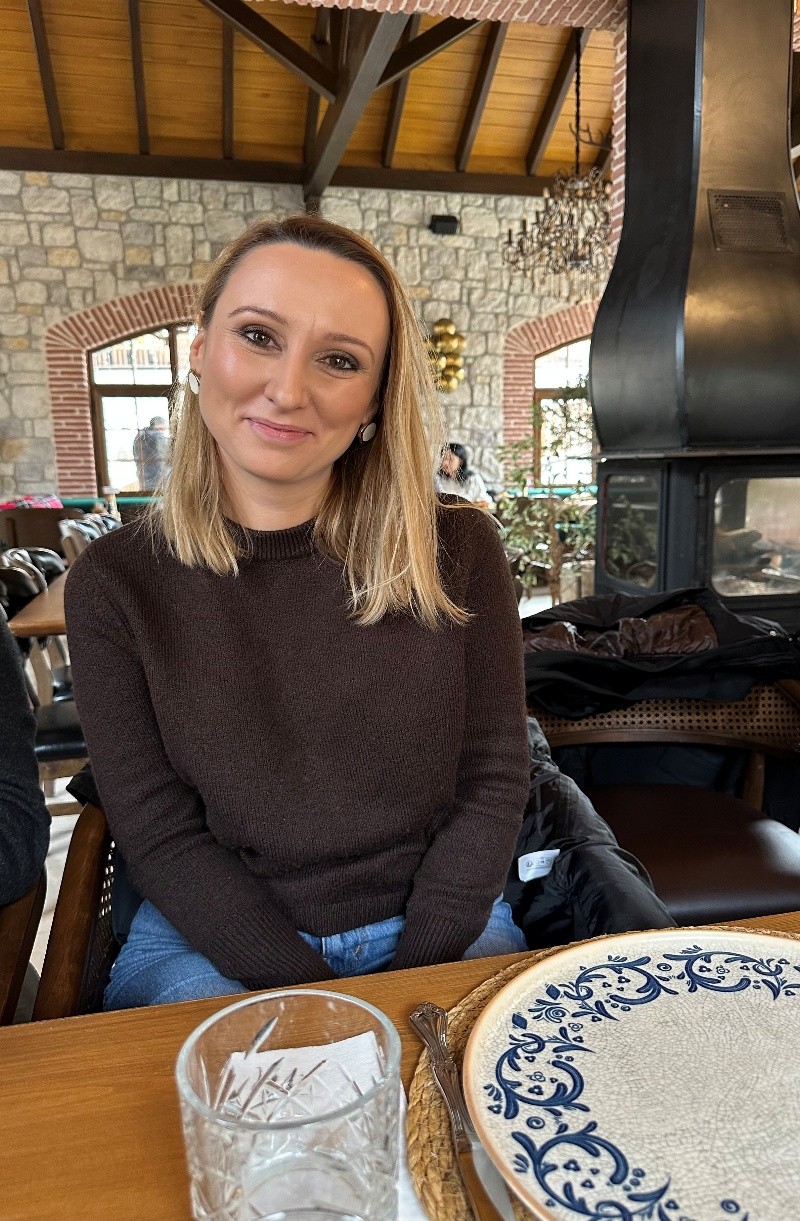
Aleksandra Nemedi holds a Master’s degree in Special Education and Rehabilitation, specialising in intellectual disabilities. She graduated from the Faculty of Special Education and Rehabilitation at the University of Belgrade. She works as a special education teacher in a specialised educational setting at „Novi Beograd“ Primary School, where she also coordinates the Erasmus+ team. Her current international project, AutisMath, focuses on developing a digital application featuring mathematical and logical reasoning tasks for children on the autism spectrum.
Aleksandra Nemedi
AutisMath: From an Idea to the First Steps into the Digital World
Aleksandra Nemedi holds a Master’s degree in Special Education and Rehabilitation, specialising in intellectual disabilities. She graduated from the Faculty of Special Education and Rehabilitation at the University of Belgrade. She works as a special education teacher in a specialised educational setting at „Novi Beograd“ Primary School, where she also coordinates the Erasmus+ team. Her…
Aleksandra Vujičić
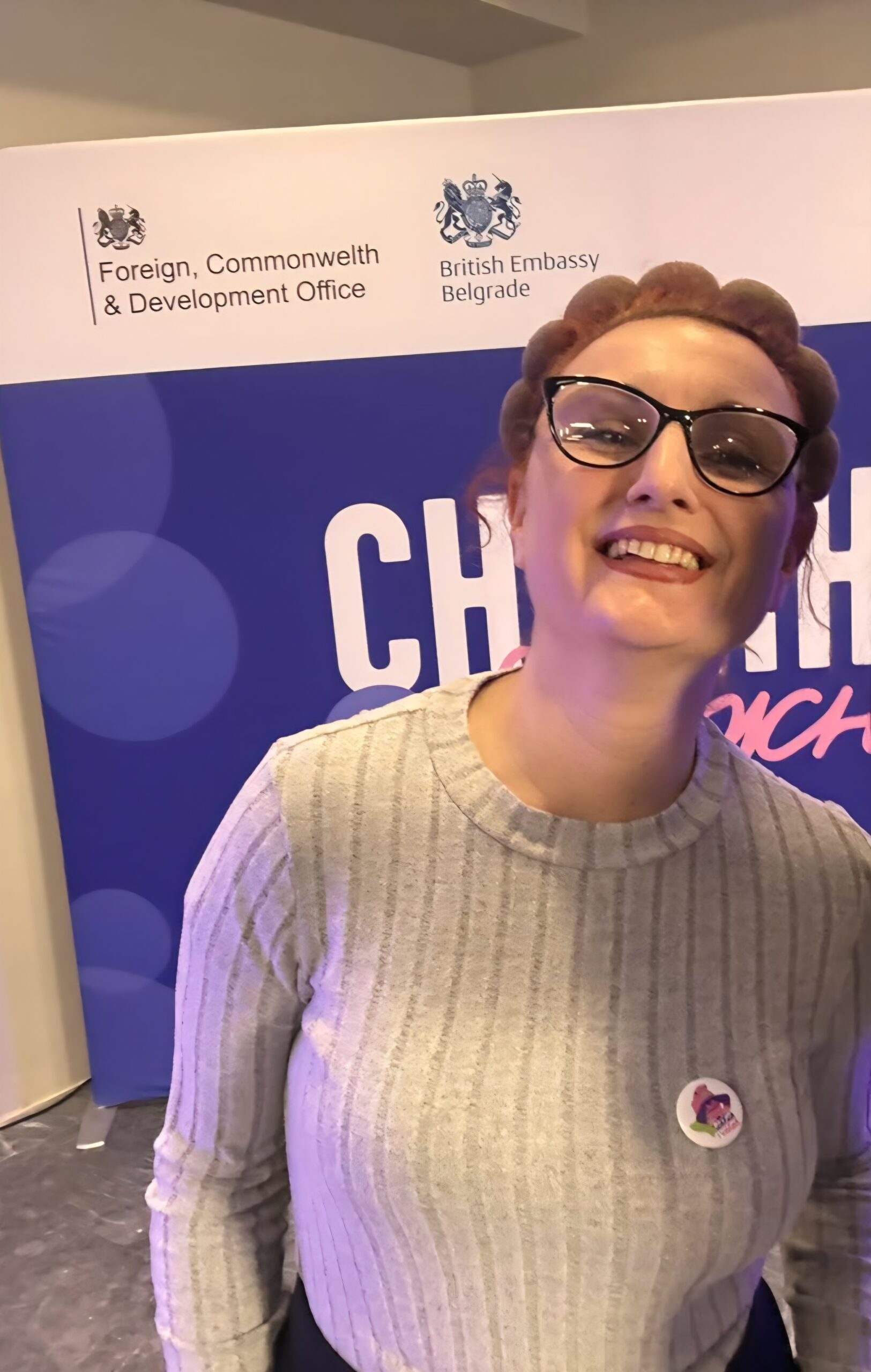
Aleksandra Vujičić holds a degree in Fine Arts and works as an Associate in Art Education (Art Education Specialist) at the “Dečja radost” Preschool Institution in Ćuprija, where she has been employed since 2008. Through her many years of work in early childhood education, she has developed a pedagogical approach based on connecting art, nature, and modern technologies.
She is the founder and lead figure behind the family-based concept at the Vujičić Agricultural Holding and the creator of the Mor.AV.art platform. She has developed and delivers an educational programme that recognises nature as a stimulating environment for integrated learning and a space for healing and well-being. Through this programme, children explore natural textures, fruits, and soil, using them both as materials for creation and as sources of inspiration. This approach fosters environmental awareness, emotional resilience, and a sense of connection with the community. Her work also incorporates modern technologies and tools, including digital cameras, Google tools, and artificial intelligence, to support visual expression, consultation with children, and the exploration of natural phenomena.
Aleksandra Vujičić
Digital Imprints in Nature: Connecting Technology, Art, and Inquiry-Based Learning
Aleksandra Vujičić holds a degree in Fine Arts and works as an Associate in Art Education (Art Education Specialist) at the “Dečja radost” Preschool Institution in Ćuprija, where she has been employed since 2008. Through her many years of work in early childhood education, she has developed a pedagogical approach based on connecting art, nature,…

Alessandro Brolpito
Alessandro Brolpito is a senior human capital development expert at the European Training Foundation (ETF), an agency of the European Union (EU) based in Turin, Italy.
Alessandro’s work focuses on policies and practices for developing digital skills and competences, the use of digital technology, including AI, and the overall digitalization of education, training, and labour market systems. He has been working in Eastern Partnership countries, Western Balkans countries and Türkiye, and Southern and Eastern Mediterranean countries.
He is author of several publications and since 2014 is a member of the European Commission’s working group on digital education „DELTA“.
Prior to joining ETF, he worked as software analyst in the private sector.
Alessandro is graduated in Computer Science in Milano (Italy), with a postgraduate diploma in Management of Software Projects at the Open University of London (UK).
Alessandro Brolpito
Empowering Teachers Through Digital Competence: from European frameworks to national initiatives
Alessandro Brolpito is a senior human capital development expert at the European Training Foundation (ETF), an agency of the European Union (EU) based in Turin, Italy. Alessandro’s work focuses on policies and practices for developing digital skills and competences, the use of digital technology, including AI, and the overall digitalization of education, training, and labour…
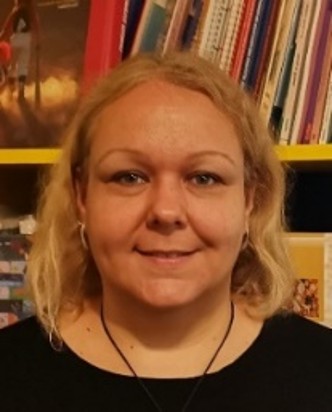
Ana Bukvić
Ana is a psychologist and education specialist at CIP – Centre for Interactive Pedagogy, where she works on projects aimed at improving the quality of education for all children, with a focus on social and educational inclusion. She is particularly interested in equity in education and in empowering schools to become supportive communities where education is rooted in a culture of solidarity, well-being, belonging, and the active participation of children, teachers, and families. She is the author and facilitator of training programmes and has developed professional development materials and programmes for educators.
Ana Bukvić
Digital Bridges to Higher-Quality and More Inclusive Education
Ana is a psychologist and education specialist at CIP – Centre for Interactive Pedagogy, where she works on projects aimed at improving the quality of education for all children, with a focus on social and educational inclusion. She is particularly interested in equity in education and in empowering schools to become supportive communities where education…

Ana Crnogorac
Ana Crnogorac is a French language teacher and a graduate of the Faculty of Philology at the University of Belgrade. For the past 15 years, she has been involved in planning and delivering distance learning, with a particular interest in the use of digital technologies in foreign language teaching and inclusive education. Her work explores the potential of digital and assistive technologies, as well as artificial intelligence, to adapt teaching to students’ diverse needs. She actively participates in Erasmus+ projects and international cooperation, exchanging experiences and exploring innovative educational practices.
Ana Crnogorac
Teachers’ AI Literacy in Inclusive Education: Why AI Won’t Replace Us (After All)
Ana Crnogorac is a French language teacher and a graduate of the Faculty of Philology at the University of Belgrade. For the past 15 years, she has been involved in planning and delivering distance learning, with a particular interest in the use of digital technologies in foreign language teaching and inclusive education. Her work explores…
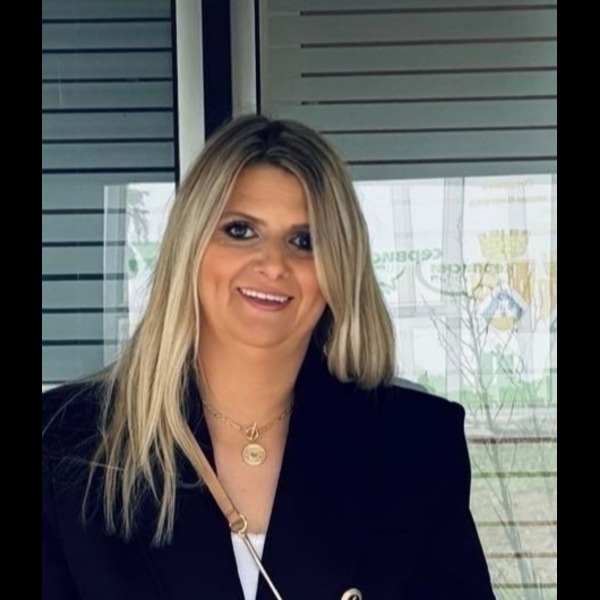
Ana Jakovljević
Ana Jakovljević holds a Master’s degree in Early Childhood Education and has experience in both direct work with children and leadership within a preschool institution. Her professional interests include innovation, the development of digital and phygital competences, and the use of modern technologies in working with children. She regularly attends training sessions and professional events on media literacy and artificial intelligence. In her practice, she uses tools such as Bee-Bot robots and VR headsets to foster creativity and inquiry-based learning.
Ana Jakovljević
Learning and Play in the Digital Age
Ana Jakovljević holds a Master’s degree in Early Childhood Education and has experience in both direct work with children and leadership within a preschool institution. Her professional interests include innovation, the development of digital and phygital competences, and the use of modern technologies in working with children. She regularly attends training sessions and professional events…

Bojana Jovanović
Bojana Jovanović is a primary school teacher at „Skadarlija“ Primary School in Belgrade. She actively participates in international eTwinning and Erasmus+ projects and has received the eTwinning National Quality Label for her projects. She is committed to continuous professional development and integrates contemporary teaching methods, digital tools, and artificial intelligence into her classroom practice, fostering students’ creativity and digital competences.
Bojana Jovanović
Myths, Imagination and Artificial Intelligence: From a Child’s Idea to Digital Creation
Bojana Jovanović is a primary school teacher at „Skadarlija“ Primary School in Belgrade. She actively participates in international eTwinning and Erasmus+ projects and has received the eTwinning National Quality Label for her projects. She is committed to continuous professional development and integrates contemporary teaching methods, digital tools, and artificial intelligence into her classroom practice, fostering…
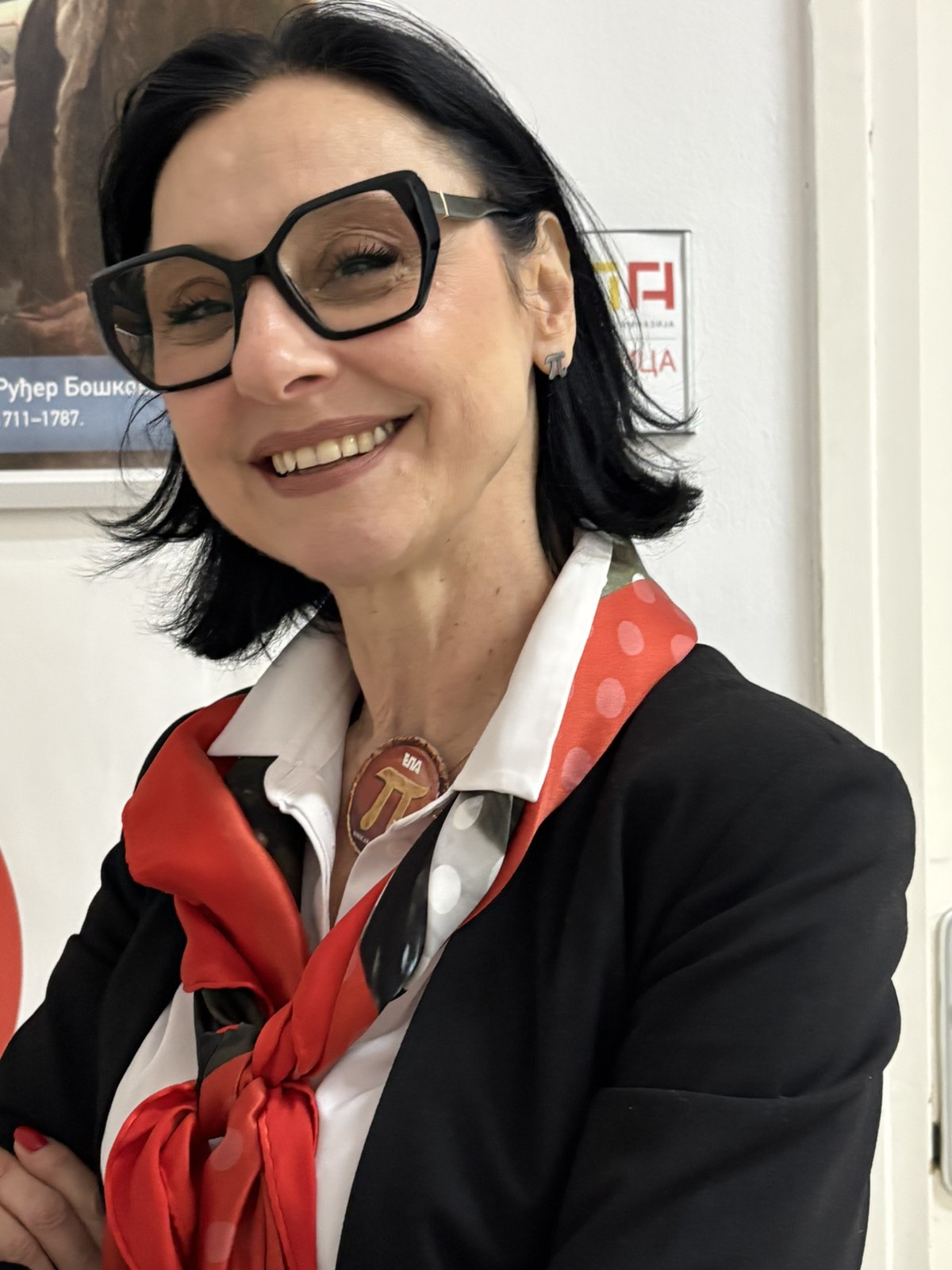
Bojana Satarić
Bojana Satarić holds a degree in Electrical Engineering and has worked as a computer science teacher since 2004. She is a member of the National Education Council, President of the Serbian Computer Science Teachers’ Section, and a member of the Board of Directors of the Serbian Informatics Association. She is the co-author of accredited professional development programmes and the creator of the “Not Every Day Is Pi Day” project. Her work focuses on digital education and the application of artificial intelligence in education.
Bojana Satarić
The Eighth-Grade Final Exam, Big Emotions: An Interactive Digital Tool to Educate and Support Students Preparing for the Final Exam
Bojana Satarić holds a degree in Electrical Engineering and has worked as a computer science teacher since 2004. She is a member of the National Education Council, President of the Serbian Computer Science Teachers’ Section, and a member of the Board of Directors of the Serbian Informatics Association. She is the co-author of accredited professional…
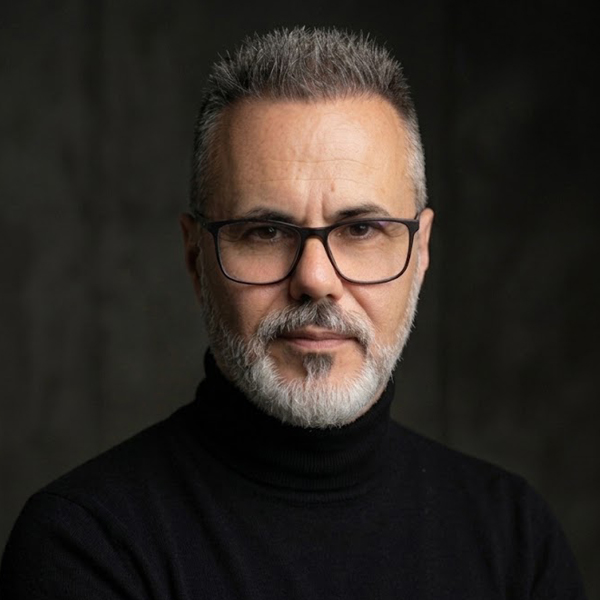
Branislav Brkić
Branislav Brkić is creative director, producer and EdTech developer with over 20 years of experience in educational content for children. With a background in developmental psychology, he brings unique expertise in designing learning experiences that are pedagogically grounded. His production portfolio includes educational brand Teslini Znanjoni, Lola and Mila and the film Tesla and the Lamplighter. His recent work focuses on educational platforms, including Terra Logica and Yabooka.kids.
Branislav Brkić
Terra Logica – When School Knowledge Shapes the World of Video Games
Branislav Brkić is creative director, producer and EdTech developer with over 20 years of experience in educational content for children. With a background in developmental psychology, he brings unique expertise in designing learning experiences that are pedagogically grounded. His production portfolio includes educational brand Teslini Znanjoni, Lola and Mila and the film Tesla and the…

Brett Bernard
Brett Bernard is a nationally recognized keynote speaker, author, and transformational coach who helps students, educators, athletes, and corporate teams unlock hidden potential and unleash elite performance. Growing up with ADHD and a learning disability, Brett rewrote his story—rising from struggling student to World Champion Unicyclist and award-winning teacher. With 25+ years of experience, Brett combines storytelling, unicycle demonstrations, and strategies from Maximize Your One™ to inspire growth.
Brett Bernard
PanelPicker - Enter Your Idea | SXSW EDU Conference & Festival
Brett Bernard is a nationally recognized keynote speaker, author, and transformational coach who helps students, educators, athletes, and corporate teams unlock hidden potential and unleash elite performance. Growing up with ADHD and a learning disability, Brett rewrote his story—rising from struggling student to World Champion Unicyclist and award-winning teacher. With 25+ years of experience, Brett…
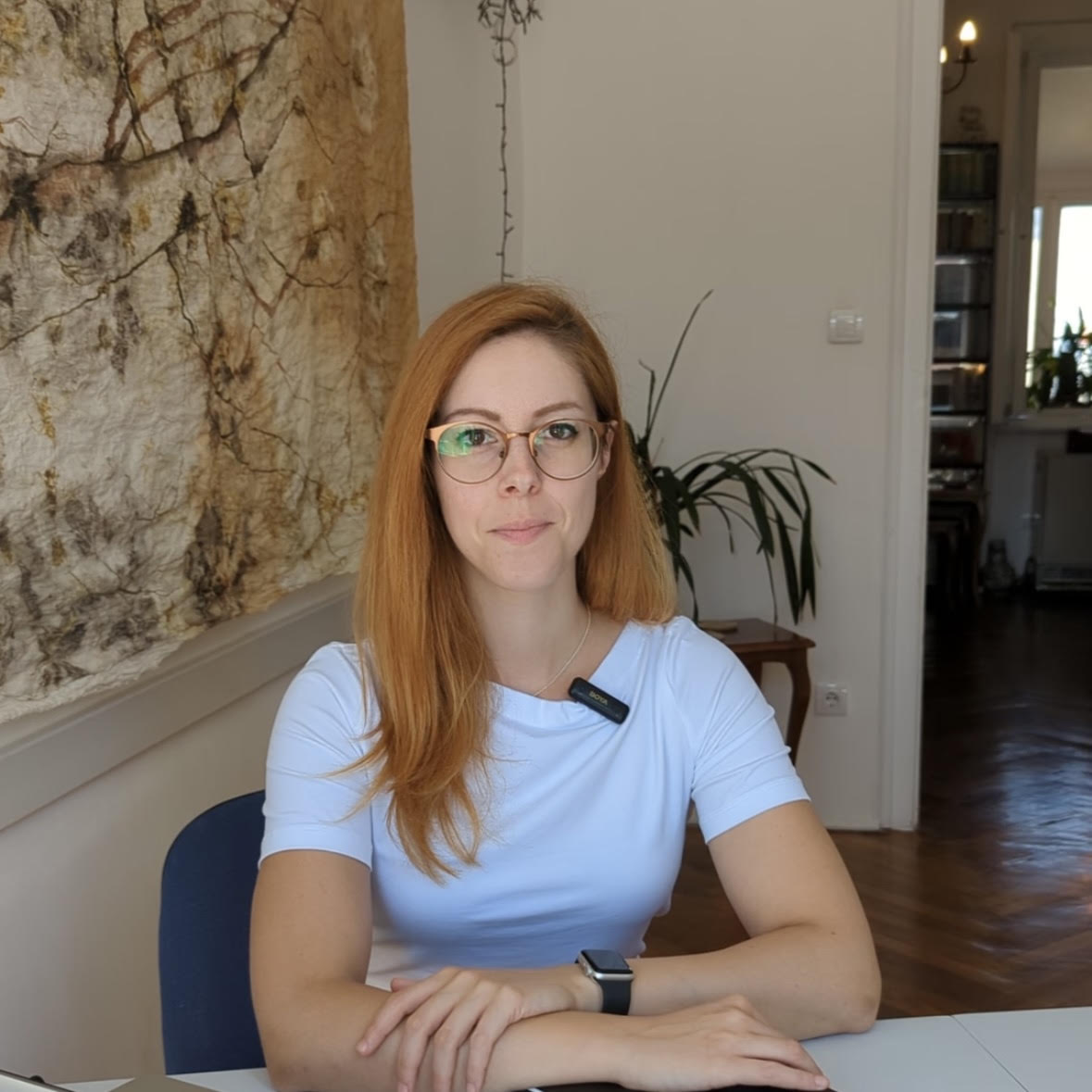
Danijela Vranješ
Danijela Vranješ is a teaching assistant at the Department of German Studies and the Digitalisation and Artificial Intelligence Coordinator at the Faculty of Philology, University of Belgrade. Her primary area of teaching is German as a foreign language. Her research focuses on the application of artificial intelligence in primary, secondary, and higher education. She has delivered numerous workshops and seminars on this topic for primary and secondary school teachers and students, as well as university lecturers and students.
Danijela Vranješ
Rules, Rules… On the (Im)possibility of Regulating the Use of AI in Education
Danijela Vranješ is a teaching assistant at the Department of German Studies and the Digitalisation and Artificial Intelligence Coordinator at the Faculty of Philology, University of Belgrade. Her primary area of teaching is German as a foreign language. Her research focuses on the application of artificial intelligence in primary, secondary, and higher education. She has…

Deniz Hoti
Deniz Hoti is a project manager and innovation mentor at City Hub, with over 15 years of experience in developing startup ecosystems and educational programmes. At the organisation Connecting, he led the development of an e-learning platform and delivered hundreds of training sessions. As an Agile and design thinking coach, he has worked with companies such as Coca-Cola, BAT, Generali Insurance, and Erste Bank, as well as with more than 50 startups.
Deniz Hoti
Terra Logica – When School Knowledge Shapes the World of Video Games
Deniz Hoti is a project manager and innovation mentor at City Hub, with over 15 years of experience in developing startup ecosystems and educational programmes. At the organisation Connecting, he led the development of an e-learning platform and delivered hundreds of training sessions. As an Agile and design thinking coach, he has worked with companies…

Dragan Gašević
Dragan Gašević is a Chair Professor at the University of Hong Kong and an internationally recognised expert in learning analytics, artificial intelligence and digital education. His research explores how data and AI can support self-regulated and collaborative learning. He is a founder and former President of the Society for Learning Analytics Research (SoLAR).
Dragan Gašević
How to Prepare Students for Productive Interaction with Artificial Intelligence?
Dragan Gašević is a Chair Professor at the University of Hong Kong and an internationally recognised expert in learning analytics, artificial intelligence and digital education. His research explores how data and AI can support self-regulated and collaborative learning. He is a founder and former President of the Society for Learning Analytics Research (SoLAR).

Dragana Malešević
Dragana Malešević, PhD, holds a doctorate in pedagogy and didactics and methodology of teaching and is a professor at the College of Vocational Studies for Preschool Teacher Education in Kikinda. She is the author of 52 books, numerous academic and professional papers, and professional development programmes. She is the founder of PROVENS, an organisation dedicated to advancing education, parenting, and professional skills.
Dragana Malešević
The Digital Age Calls for a Change in Child-Rearing Practices
Dragana Malešević, PhD, holds a doctorate in pedagogy and didactics and methodology of teaching and is a professor at the College of Vocational Studies for Preschool Teacher Education in Kikinda. She is the author of 52 books, numerous academic and professional papers, and professional development programmes. She is the founder of PROVENS, an organisation dedicated…

Dragana Radenović
Dragana Radenović holds a PhD in Pedagogical Sciences and teaches courses in pedagogy at the Academy of Applied Preschool Teaching and Medical Studies in Aleksinac. Her research focuses on academic achievement, teaching and learning, inclusive education, digital technologies, and pedagogical counselling. She is the author and co-author of scientific and professional publications, participates in international projects, and serves as a peer reviewer and member of the editorial boards of scientific journals.
Dragana Radenović
Early Childhood Educators’ Digital Competence as a Means of Supporting the Development of Preschool Children’s Potential
Dragana Radenović holds a PhD in Pedagogical Sciences and teaches courses in pedagogy at the Academy of Applied Preschool Teaching and Medical Studies in Aleksinac. Her research focuses on academic achievement, teaching and learning, inclusive education, digital technologies, and pedagogical counselling. She is the author and co-author of scientific and professional publications, participates in international…

Duša Vuković
Duša Vuković is a Computer Science teacher at the Mathematical Grammar School and the Computer Science Grammar School in Belgrade. For over 15 years, she worked as an Oracle Academy instructor, delivering international professional development training for teachers in database systems and Java programming. She holds the title of Pedagogical Adviser and co-authored the curriculum for specialised classes for gifted students in computing and informatics, which is now used in more than 50 classes in grammar schools across Serbia. She also trains teachers and has authored digital textbooks for teachers and students in Database Systems and Object-Oriented Programming, published by the Institute for the Improvement of Education.
She is the author of several books on programming, including two approved textbooks for the third and fourth years of grammar school for the subject Computing and Informatics. Her awards include: Creative School 2008/2009, Serbia – Second Prize in the secondary school category for the project Modern Technologies in the Practical Application of Theoretical Knowledge and Teamwork Among Students, and European Innovative Teachers Forum, Microsoft, 2008, Croatia – Third Prize in the collaboration category for the project Exploring Science through Blogging. She also participated in the Microsoft Worldwide Innovative Teachers Forum in Hong Kong, China.
Duša Vuković
Oracle Academy - From the Classroom to a Career
Duša Vuković is a Computer Science teacher at the Mathematical Grammar School and the Computer Science Grammar School in Belgrade. For over 15 years, she worked as an Oracle Academy instructor, delivering international professional development training for teachers in database systems and Java programming. She holds the title of Pedagogical Adviser and co-authored the curriculum…
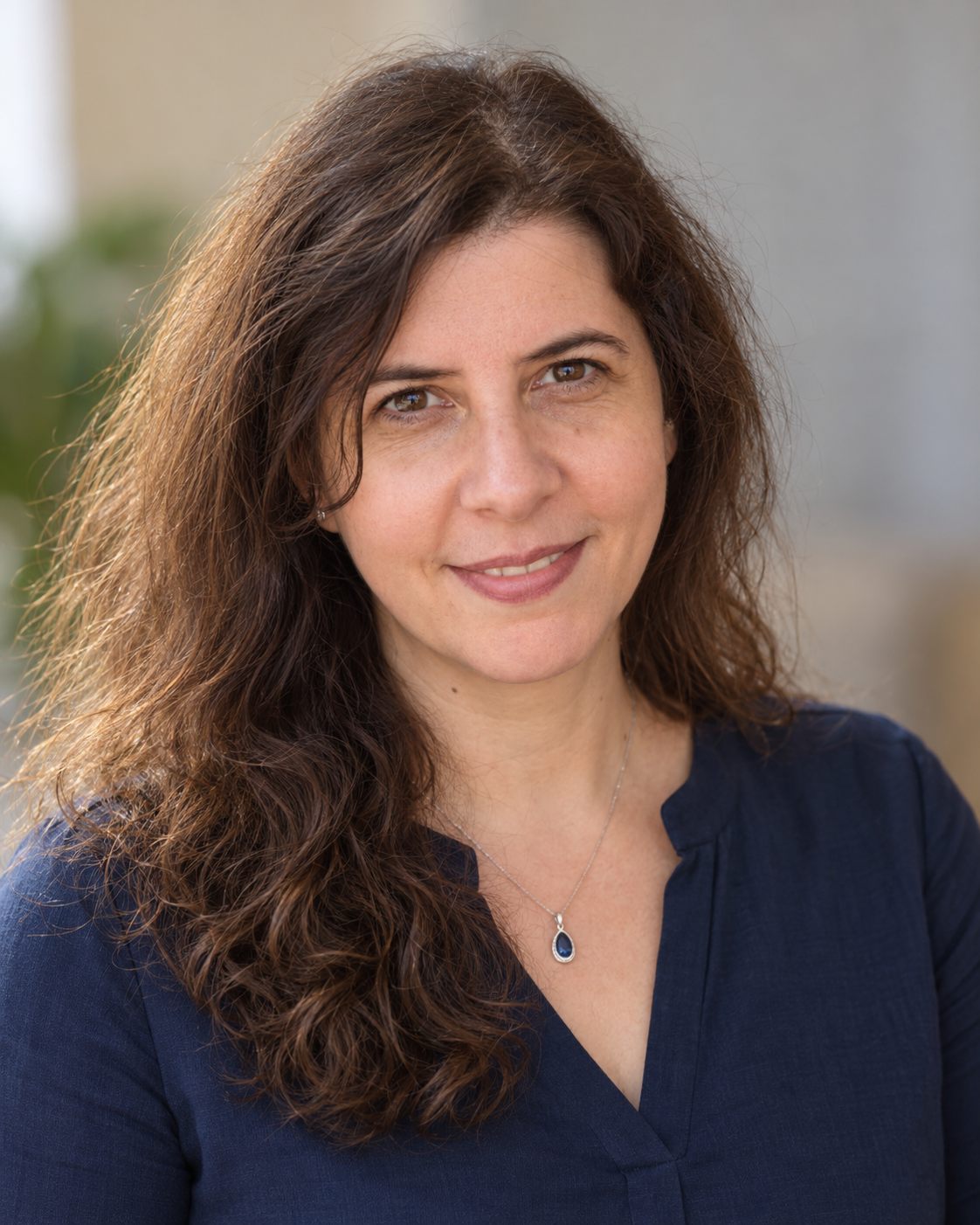
Eva Ulbrich
Eva Ulbrich is an educational scientist specialising in STEAM education, digital fabrication, and teacher education. Before delving into education, she worked in the area of Big Data representation and Machine Learning. She received her PhD from Johannes Kepler University Linz in 2026 with a dissertation on the development of the 3D-STEAM framework supporting teacher engagement with 3D modelling and 3D printing (3DMP). Before entering academia, she worked professionally with 3D design and digital fabrication in industry, developing and producing 3D models and prototypes. Her research focuses on integrating digital technologies into inquiry-based STEAM education and supporting teachers in working with complex technologies in the classroom. She has contributed to several European projects that develop experimental learning activities and teacher training programmes in STEAM education.
Eva Ulbrich
From AI-Generated Answers to AI-Supported Thinking: A Tutor for Future Teachers
Eva Ulbrich is an educational scientist specialising in STEAM education, digital fabrication, and teacher education. Before delving into education, she worked in the area of Big Data representation and Machine Learning. She received her PhD from Johannes Kepler University Linz in 2026 with a dissertation on the development of the 3D-STEAM framework supporting teacher engagement…

Gordana Pavlović
Gordana Pavlović is a Serbian language and literature teacher at „Sava Šumanović“ Grammar School in Šid and a senior pedagogical advisor with 28 years of experience in primary and secondary education. She delivers professional development training, mentors teachers, and is the author of multiple award-winning examples of good teaching practice. Her professional work focuses on developing innovative teaching approaches, inclusive education, instructional individualization, and providing expert support to schools working with foreign students.
She actively participates in national and international educational programmes, professional gatherings, and conferences. Her work brings together literature, modern technologies, and inquiry-based learning, with a particular emphasis on developing reading, media, and digital literacy, critical thinking, and student autonomy. She is particularly dedicated to exploring pedagogically sound approaches to the use of artificial intelligence, with the aim of creating a supportive learning environment in which technology expands learning opportunities while students retain an active, creative, and critical role.
As a presenter, she participated in the Digital Education Conference in 2022.
Gordana Pavlović
AI has responded. Class starts now!
Gordana Pavlović is a Serbian language and literature teacher at „Sava Šumanović“ Grammar School in Šid and a senior pedagogical advisor with 28 years of experience in primary and secondary education. She delivers professional development training, mentors teachers, and is the author of multiple award-winning examples of good teaching practice. Her professional work focuses on…
Ivana Miladinović
Ivana Miladinović is an electrical engineering teacher and pedagogical adviser. She graduated from the Faculty of Electronic Engineering in Niš. She collaborates with the Institute for the Improvement of Education, is the author of an accredited teacher professional development programme, and delivers training seminars organised by the Mathematical Society of Serbia. Through national and Erasmus+ projects, she has developed digital competencies and innovative teaching approaches, with a particular focus on the use of emerging technologies in education.
Ivana Miladinović
From AI Chatbot to AI Professional Dialogue Partner
Ivana Miladinović is an electrical engineering teacher and pedagogical adviser. She graduated from the Faculty of Electronic Engineering in Niš. She collaborates with the Institute for the Improvement of Education, is the author of an accredited teacher professional development programme, and delivers training seminars organised by the Mathematical Society of Serbia. Through national and Erasmus+…
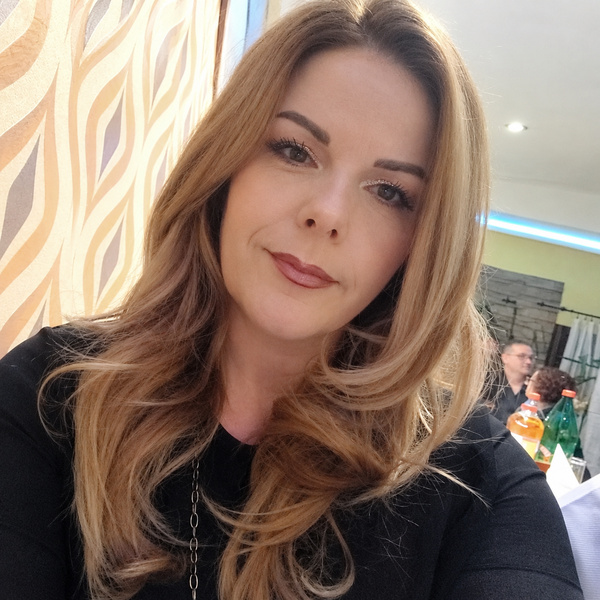
Ivana Vučetić
Ivana Vučetić holds a Master’s degree in Early Childhood Education and participates in professional gatherings, educator meetups, and conferences. In her professional practice, she explores ways to use digital tools to support learning through play, strengthen partnerships with families, and facilitate the exchange of experiences among early childhood educators, with the aim of enhancing contemporary early childhood education and practice.
Ivana Vučetić
Digital Tools to Support Learning Through Play, Family Engagement, and the Professional Development of Early Childhood Educators
Ivana Vučetić holds a Master’s degree in Early Childhood Education and participates in professional gatherings, educator meetups, and conferences. In her professional practice, she explores ways to use digital tools to support learning through play, strengthen partnerships with families, and facilitate the exchange of experiences among early childhood educators, with the aim of enhancing contemporary…
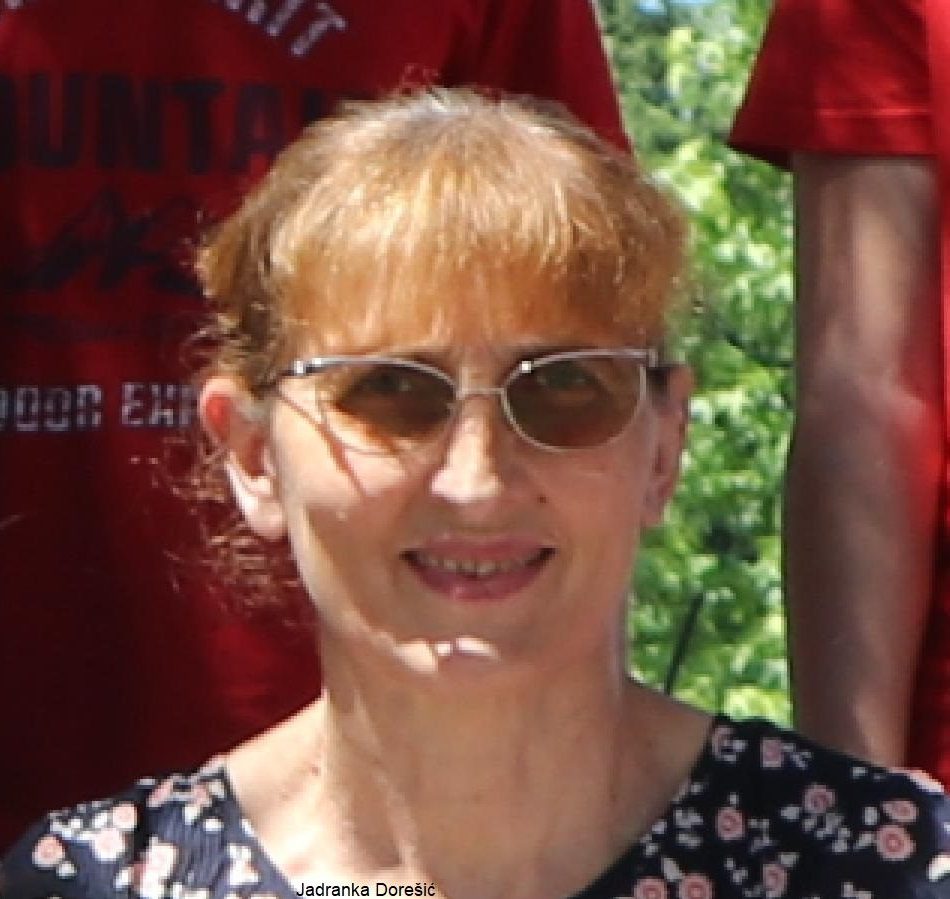
Jadranka Dorešić
Jadranka Dorešić holds a Master’s degree in Economics and is a teacher and adviser at „Ivan Švear“ Secondary School in Ivanić-Grad, Croatia, with 30 years of experience in education. She has co-authored three modular textbooks and written professional papers. She regularly engages students in competitions and projects. She has been selected twice as one of the 500 most outstanding teachers and, in 2026, received the national Ivan Filipović Award.
Jadranka Dorešić
Developing Media Literacy Through an Analysis of the Impact of Influencers and Digital Marketing on Young People’s Consumption Habits
Jadranka Dorešić holds a Master’s degree in Economics and is a teacher and adviser at „Ivan Švear“ Secondary School in Ivanić-Grad, Croatia, with 30 years of experience in education. She has co-authored three modular textbooks and written professional papers. She regularly engages students in competitions and projects. She has been selected twice as one of…
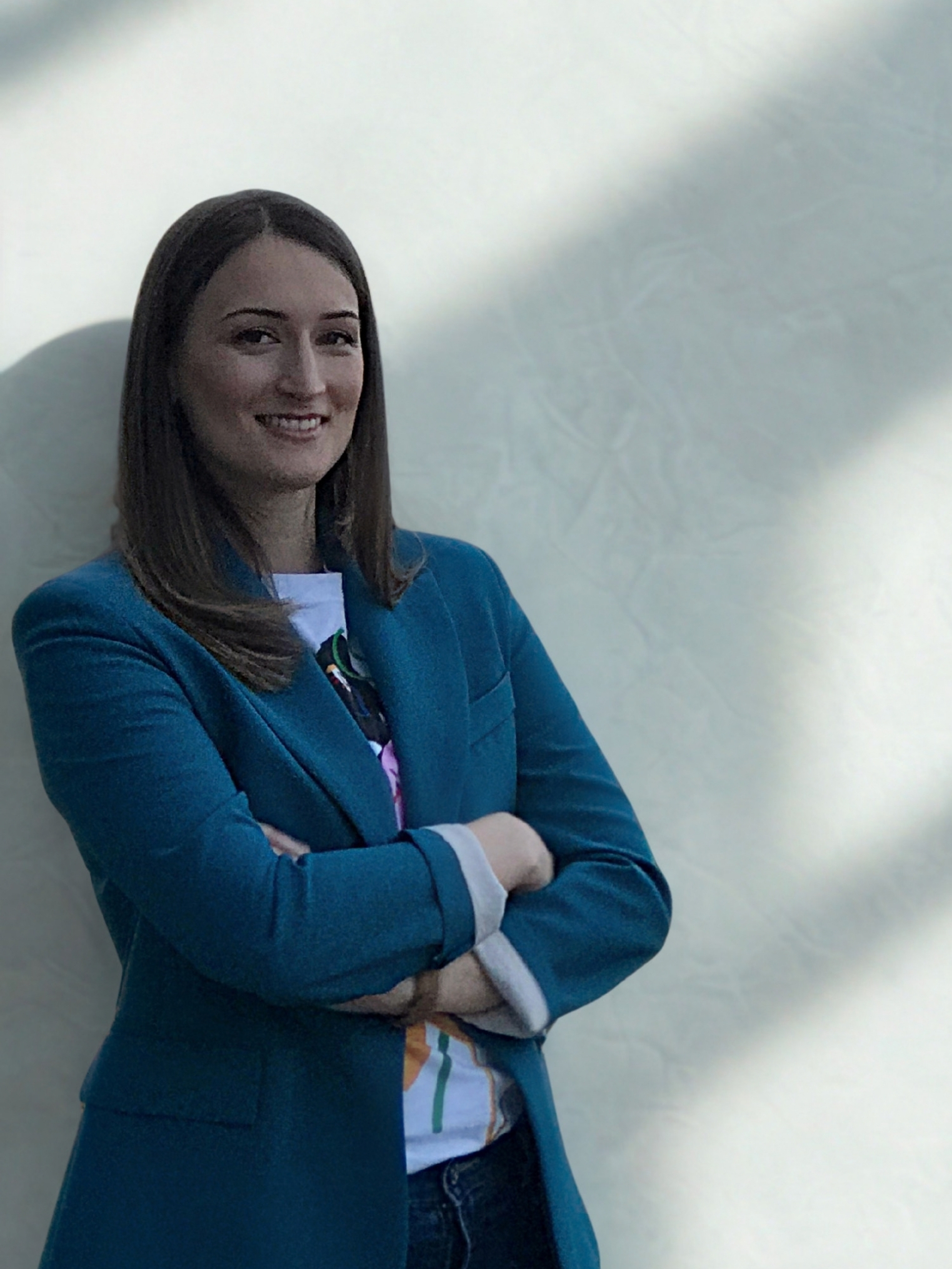
Jasmina Kovačević
Jasmina Kovačević is a Serbian Language and Literature teacher and Pedagogical Adviser at „Skadarlija“ Primary School in Belgrade. Her teaching combines literature, cultural heritage, and contemporary digital tools to foster critical thinking, independence, and peer learning. She participates in international eTwinning and Erasmus+ projects and develops innovative, student-centred teaching approaches.
Jasmina Kovačević
Myths, Imagination and Artificial Intelligence: From a Child’s Idea to Digital Creation
Jasmina Kovačević is a Serbian Language and Literature teacher and Pedagogical Adviser at „Skadarlija“ Primary School in Belgrade. Her teaching combines literature, cultural heritage, and contemporary digital tools to foster critical thinking, independence, and peer learning. She participates in international eTwinning and Erasmus+ projects and develops innovative, student-centred teaching approaches.

Jasmina Majstorović
Jasmina Majstorović is an early childhood educator at the “Breze” kindergarten. She actively contributes to building the kindergarten’s culture by designing learning environments, creating sets and scenery for various purposes, and enhancing the aesthetics of the space. She has skills in the use of ICT tools and is responsible at the kindergarten level for producing videos and other digital materials. She coordinates the kindergarten’s Child Protection Team, which addresses abuse, neglect, violence, and discrimination, and actively contributes to developing the Action Plan and monitoring its implementation. She has participated in competitions organised by the Association of Preschool Educators for the best teaching aid. In recognition of her skills and creativity, she is also frequently involved in designing sets and scenery for various events organised by the institution.
Jasmina Majstorović
Cultivating a Culture of Digital Technology Use in Early Childhood Education: Strengthening a Learning Community Through Collaboration and Connection
Jasmina Majstorović is an early childhood educator at the “Breze” kindergarten. She actively contributes to building the kindergarten’s culture by designing learning environments, creating sets and scenery for various purposes, and enhancing the aesthetics of the space. She has skills in the use of ICT tools and is responsible at the kindergarten level for producing…
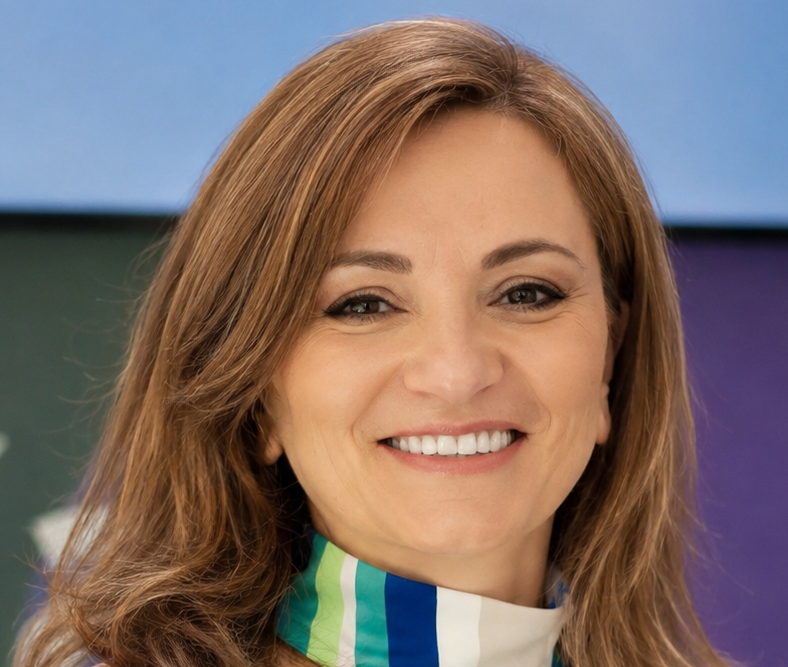
Jasna Marković
Jasna Marković is a mathematician, former teacher, and former secondary school principal with over 20 years of experience in education. Since 2023, she has been working on international projects focused on evaluating and improving AI systems, particularly in mathematics, STEM, and education. Her work bridges pedagogical expertise and the evaluation of AI response quality.
Jasna Marković
When AI Becomes a Tutor: Who Checks Whether It Really Helps Students?
Jasna Marković is a mathematician, former teacher, and former secondary school principal with over 20 years of experience in education. Since 2023, she has been working on international projects focused on evaluating and improving AI systems, particularly in mathematics, STEM, and education. Her work bridges pedagogical expertise and the evaluation of AI response quality.
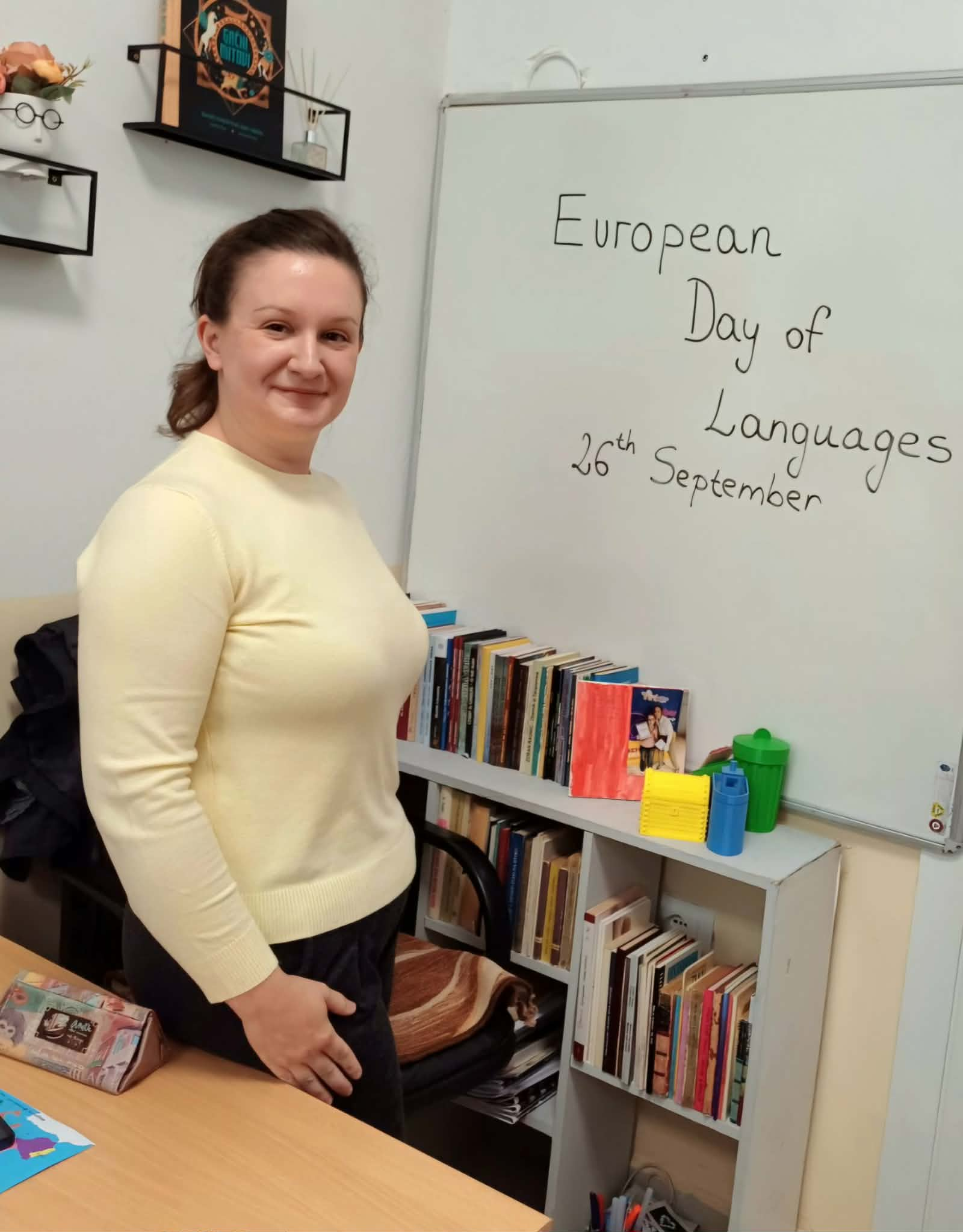
Jelena Damjanović
Jelena Damjanović is an English language teacher from Pljevlja, Montenegro. In 2012, she graduated from the Faculty of Philosophy at the University of Montenegro, specialising in English Language and Literature with a focus on teacher education.
Throughout her career, she has gained experience working in various primary and secondary schools in the Pljevlja area, teaching students of different ages and in diverse educational settings. Her work places particular emphasis on modern foreign language teaching methods, active student engagement, the use of digital technologies, and adapting instruction to students’ needs.
She is the author of the professional article “Teaching in a Multigrade Classroom During Remote Learning”, published in the journal Vaspitanje i obrazovanje. She has participated in international conferences and professional events in education, with a particular interest in contemporary teaching approaches, digital education, and the improvement of educational practice.
She also takes part in international educational activities and projects and has mentored students participating in the international Willkommen competition.
In her professional practice, she strives to combine contemporary pedagogical approaches, digital competencies, and creative teaching methods to make English language learning engaging, accessible, and meaningful for students.
She currently teaches English at Mihailo Žugić Primary School in Pljevlja, Montenegro.
Jelena Damjanović
One Board, Multiple Possibilities: The SMART Board as a Learning Tool in a Multigrade Classroom in a Small Rural School
Jelena Damjanović is an English language teacher from Pljevlja, Montenegro. In 2012, she graduated from the Faculty of Philosophy at the University of Montenegro, specialising in English Language and Literature with a focus on teacher education. Throughout her career, she has gained experience working in various primary and secondary schools in the Pljevlja area, teaching…
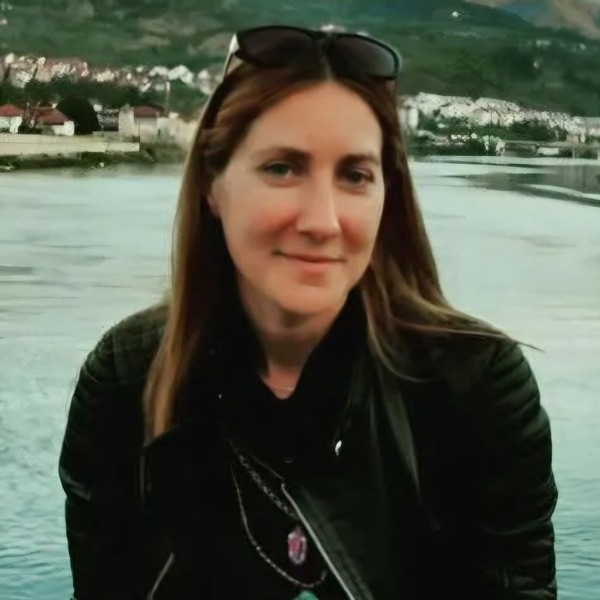
Jelena Nikolić
Jelena Nikolić is an early childhood educator who has completed specialist studies focused on applying contemporary approaches to teaching and learning. She has participated in programmes such as Using Bee-Bot Robots in Preschool, Discovering the Digital World, and Photographs in the Years of Ascent, as well as in an Education Fair. She has led an exemplary activity entitled European Cuisine and organised a Bee-Bot Olympics. Her particular interests include digital innovation, creative learning, and the development of children’s competences.
Jelena Nikolić
Learning and Play in the Digital Age
Jelena Nikolić is an early childhood educator who has completed specialist studies focused on applying contemporary approaches to teaching and learning. She has participated in programmes such as Using Bee-Bot Robots in Preschool, Discovering the Digital World, and Photographs in the Years of Ascent, as well as in an Education Fair. She has led an…

Jelena Stojanovska
Jelena Stojanovska holds a Master’s degree in Early Childhood Education and has six years of professional experience. She completed her master’s studies at the Faculty of Teacher Education, University of Belgrade. She continuously develops her professional skills by participating in conferences, including those organised by BAPTA and Mensa, as well as events in Kladovo and Novi Sad and at the Faculty of Teacher Education in Belgrade. In her practice, she successfully integrates digital technologies into play-based activities, supporting children’s holistic development.
Jelena Stojanovska
Learning and Play in the Digital Age
Jelena Stojanovska holds a Master’s degree in Early Childhood Education and has six years of professional experience. She completed her master’s studies at the Faculty of Teacher Education, University of Belgrade. She continuously develops her professional skills by participating in conferences, including those organised by BAPTA and Mensa, as well as events in Kladovo and…
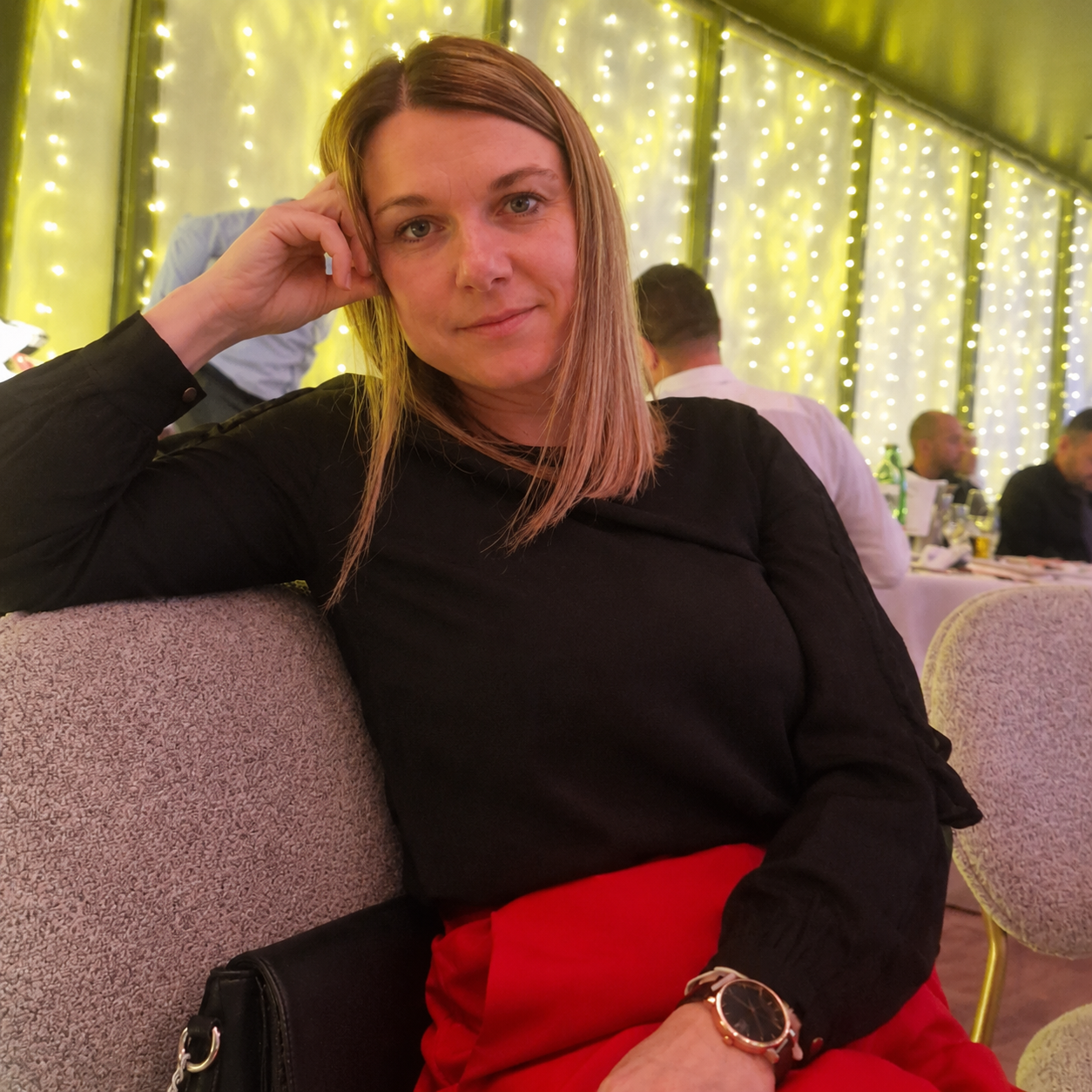
Jelena Vukajlović
Jelena Vukajlović is an early childhood educator with 19 years of experience in early childhood education. She is the author of professional papers and examples of good practice presented at professional meetings and conferences. Her work focuses particularly on children’s participation, the development of an authentic curriculum, and the meaningful integration of digital technologies into everyday kindergarten practice.
Jelena Vukajlović
When Digital Technology Makes Sense: Thoughtful Use of Digital Technologies in Developing an Authentic Curriculum
Jelena Vukajlović is an early childhood educator with 19 years of experience in early childhood education. She is the author of professional papers and examples of good practice presented at professional meetings and conferences. Her work focuses particularly on children’s participation, the development of an authentic curriculum, and the meaningful integration of digital technologies into…

José M. Cañas
José M. Cañas cofounded the RoboticsLabURJC at Universidad Rey Juan Carlos, where he holds a Full Professor tenured position. His interests include AI driven Robotics and Robotics Education. He leads the non profit JdeRobot organization, which develops open source software on Robotics and AI, and has been selected by Google for GSoC 2017-2026.
José M. Cañas
Unibotics: hands-on robotics learning in Higher Education, programming robots from the web browser
José M. Cañas cofounded the RoboticsLabURJC at Universidad Rey Juan Carlos, where he holds a Full Professor tenured position. His interests include AI driven Robotics and Robotics Education. He leads the non profit JdeRobot organization, which develops open source software on Robotics and AI, and has been selected by Google for GSoC 2017-2026.
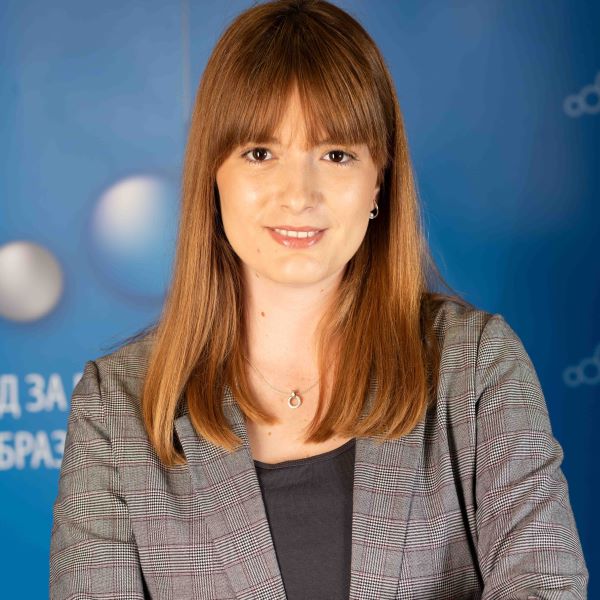
Katarina Baljak
Katarina Baljak works at the Centre for Educational Technology within the Institute for the Evaluation of the Quality of Education. She is involved in national and international research, providing expert support in the use of digital platforms and tools. She contributes to the development of reports, manuals, and guidelines for educational institutions. Through collaboration with expert teams, she helps strengthen schools’ digital capacities and promote the effective integration of modern technologies into educational practice.
Katarina Baljak
Digital World: The Task as a Bridge Between Learning Outcomes and Competences
Katarina Baljak works at the Centre for Educational Technology within the Institute for the Evaluation of the Quality of Education. She is involved in national and international research, providing expert support in the use of digital platforms and tools. She contributes to the development of reports, manuals, and guidelines for educational institutions. Through collaboration with…
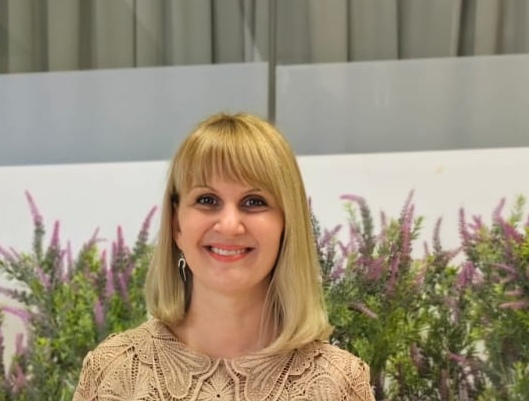
Katarina Kotrla Vidić
Katarina Kotrla Vidić has been a mathematics and computer science teacher since 2006, when she graduated in Mathematics and Computer Science from Josip Juraj Strossmayer University of Osijek. She has been teaching both subjects since 2007 and is actively involved in a wide range of educational activities within her school and the wider community. In 2025, she was promoted to the title of Excellent Adviser in the subject of Computer Science.
She takes a practical and inclusive approach to teaching, combining clear explanations, visual materials, and interactive tasks to make learning accessible to all students. Her teaching incorporates a variety of web-based tools, educational digital games, and applications. She also fosters interactive and collaborative relationships with her students, enabling her to monitor their progress continuously. She regularly shares her knowledge and experience with colleagues and the wider community.
The Ministry of Science and Education has recognised her contributions to improving the quality of the education system and her outstanding commitment to ensuring high-quality education with awards presented on Teachers’ Day on four occasions: in the 2019/2020, 2022/2023, 2023/2024, and 2024/2025 school years. She is a wife and mother to a daughter.
Katarina Kotrla Vidić
Using Artificial Intelligence to Support Inclusive STEM Education
Katarina Kotrla Vidić has been a mathematics and computer science teacher since 2006, when she graduated in Mathematics and Computer Science from Josip Juraj Strossmayer University of Osijek. She has been teaching both subjects since 2007 and is actively involved in a wide range of educational activities within her school and the wider community. In…

Kristina Drini
Kristina is an education specialist at CIP – Centre for Interactive Pedagogy. Her work has focused on the inclusion of children from vulnerable groups in the education system, as well as on collaborating with and supporting parents and staff in educational institutions, including in the use of digital tools. She delivers accredited training programmes, develops professional development programmes and guides, and is a member of the Serbian Pedagogical Society.
Kristina Drini
Digital Bridges to Higher-Quality and More Inclusive Education
Kristina is an education specialist at CIP – Centre for Interactive Pedagogy. Her work has focused on the inclusion of children from vulnerable groups in the education system, as well as on collaborating with and supporting parents and staff in educational institutions, including in the use of digital tools. She delivers accredited training programmes, develops…

Ljiljana Krkić
Ljiljana Krkić has been working at Oracle Serbia and Montenegro LLC since 2005, holding various positions, most of them focused on education. She is responsible for Oracle Corporation’s flagship philanthropic education programme supporting schools, and Oracle Academy, across Serbia, Montenegro, Hungary, and Bulgaria.
For more than 25 years, Oracle Academy has advanced computer science education worldwide, fostering knowledge acquisition, skills development, innovation, and diversity in technology. It provides educators at institutions around the world with the computing resources they need to engage, inspire, and prepare their pupils and students to become future leaders and innovators and help them realise their dreams.
Ljiljana Krkić
Oracle Academy - From the Classroom to a Career
Ljiljana Krkić has been working at Oracle Serbia and Montenegro LLC since 2005, holding various positions, most of them focused on education. She is responsible for Oracle Corporation’s flagship philanthropic education programme supporting schools, and Oracle Academy, across Serbia, Montenegro, Hungary, and Bulgaria. For more than 25 years, Oracle Academy has advanced computer science education…
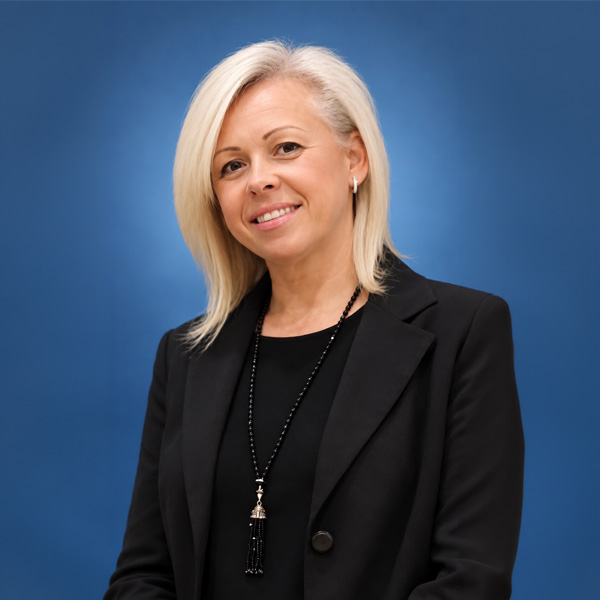
Marija Kovačević
Marija Kovačević is an early childhood educator who participates in professional gatherings, educator meetups, and conferences. In her professional practice, she strives to be an innovator, actively connecting the traditional values of children’s play with modern technological advances. Her work focuses on introducing children to digital technologies not as a replacement for play, but as a means of active learning, exploration, and creative expression.
Marija Kovačević
Digital Bridges of Childhood
Marija Kovačević is an early childhood educator who participates in professional gatherings, educator meetups, and conferences. In her professional practice, she strives to be an innovator, actively connecting the traditional values of children’s play with modern technological advances. Her work focuses on introducing children to digital technologies not as a replacement for play, but as…
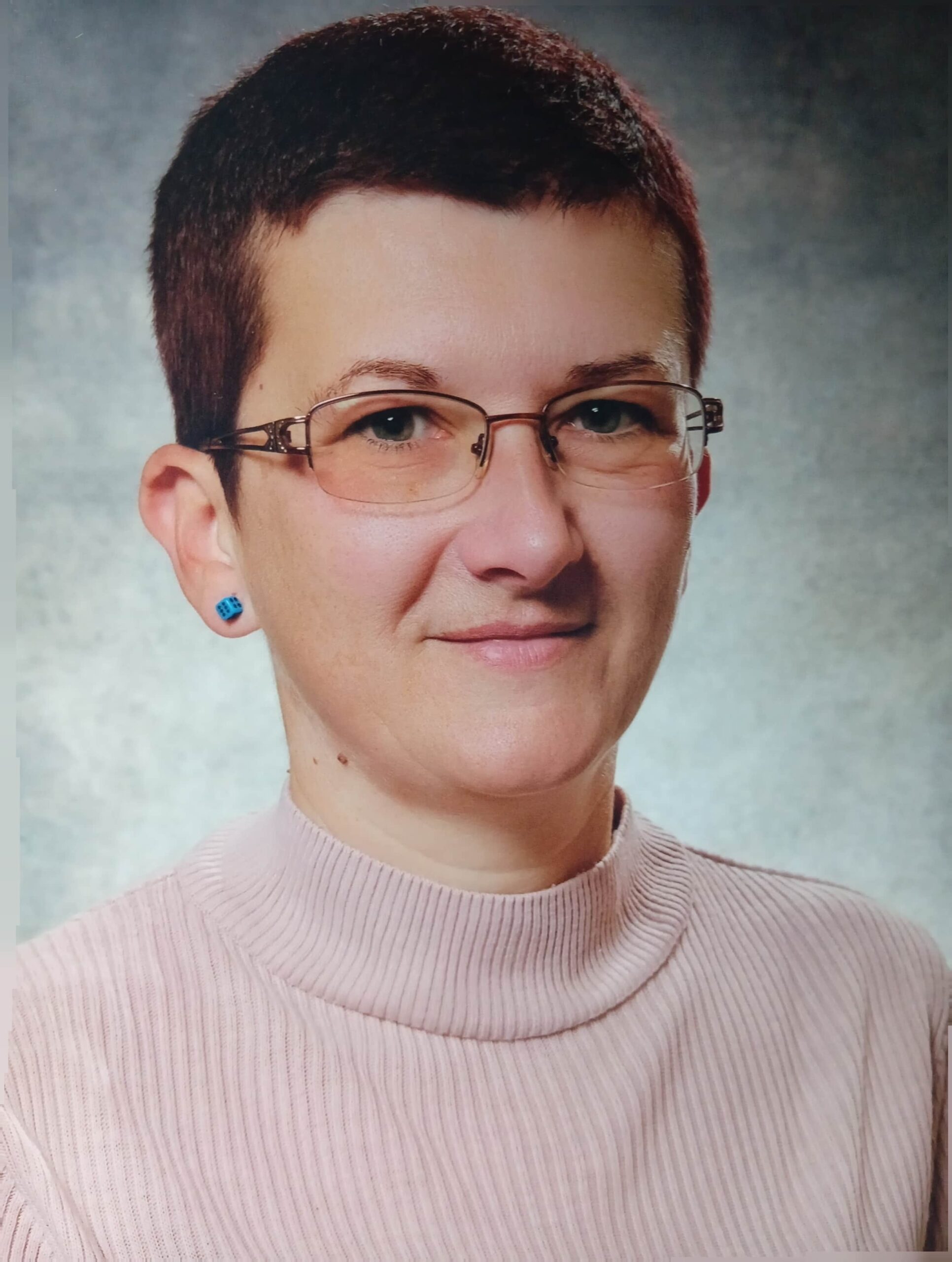
Marija Milovanović
Marija Milovanović is a primary school teacher, pedagogical adviser, and STEM educator at „Stefan Nemanja“ Primary School in Niš, Serbia. She has designed and delivered numerous innovative teaching activities and projects and authored professional papers in the fields of digital education, STEM education, and inquiry-based learning. Her work focuses particularly on the use of digital tools and the development of the 6KD Model, which promotes knowledge creation through digitally supported learning.
Marija Milovanović
From Digital Tools to Knowledge Creation: The 6KD Model in Primary Education
Marija Milovanović is a primary school teacher, pedagogical adviser, and STEM educator at „Stefan Nemanja“ Primary School in Niš, Serbia. She has designed and delivered numerous innovative teaching activities and projects and authored professional papers in the fields of digital education, STEM education, and inquiry-based learning. Her work focuses particularly on the use of digital…

Marija Živančević
Marija Živančević holds a Master’s degree in Early Childhood Education and has experience working with preschool-aged children. She successfully integrates digital technologies into project-based activities, including VR headsets and Bee-Bot robots, to foster children’s curiosity, creativity, and inquiry-based learning. She continuously develops her professional competences in digital technologies and the application of artificial intelligence in contemporary education.
Marija Živančević
Learning and Play in the Digital Age
Marija Živančević holds a Master’s degree in Early Childhood Education and has experience working with preschool-aged children. She successfully integrates digital technologies into project-based activities, including VR headsets and Bee-Bot robots, to foster children’s curiosity, creativity, and inquiry-based learning. She continuously develops her professional competences in digital technologies and the application of artificial intelligence in…

Marijana Jovanović Čabrić
Marijana Jovanović Čabrić is the Deputy Director of the Resource Centre at the „Vukašin Marković“ School for Primary and Secondary Education in Kragujevac. She also serves as an adviser and external associate to the ministry responsible for education, a court-appointed expert, and a collaborator with the Institute for the Improvement of Education (ZUOV) and the Institute for the Evaluation of the Quality of Education (ZVKOV). A special education teacher with over 20 years of experience, she has worked with students with disabilities and developmental difficulties at all levels of education, from preschool to primary and secondary education. She is one of the founders and organisers of the accredited professional forum Creating Together, which brings together preschool teachers and primary and secondary school teachers to showcase and exchange examples of good practice across the education system. As an Erasmus+ project coordinator, she gained extensive experience in collaborating with colleagues from different countries. She also served as a judge in the Core Values category of the FIRST LEGO League competition at the national level.
Marijana Jovanović Čabrić
Artificial Intelligence to Support Teachers Working with Students on Individual Education Plans (IEPs)
Marijana Jovanović Čabrić is the Deputy Director of the Resource Centre at the „Vukašin Marković“ School for Primary and Secondary Education in Kragujevac. She also serves as an adviser and external associate to the ministry responsible for education, a court-appointed expert, and a collaborator with the Institute for the Improvement of Education (ZUOV) and the…
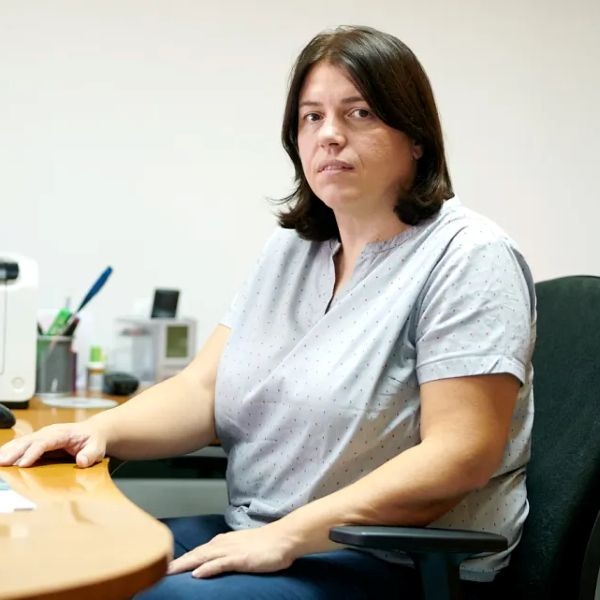
Marina Matijević
Marina Matijević holds a degree in Electrical Engineering and a Master’s degree in Cybersecurity. Since 2007, she has worked at the Ministry of Education, Science and Innovation of Montenegro, where she heads the Education Digitalisation Department. She has led and participated in numerous national and international projects, including the Montenegrin Education Information System (MEIS) and the Digital School initiative.
Marina Matijević
Digital School
Marina Matijević holds a degree in Electrical Engineering and a Master’s degree in Cybersecurity. Since 2007, she has worked at the Ministry of Education, Science and Innovation of Montenegro, where she heads the Education Digitalisation Department. She has led and participated in numerous national and international projects, including the Montenegrin Education Information System (MEIS) and…
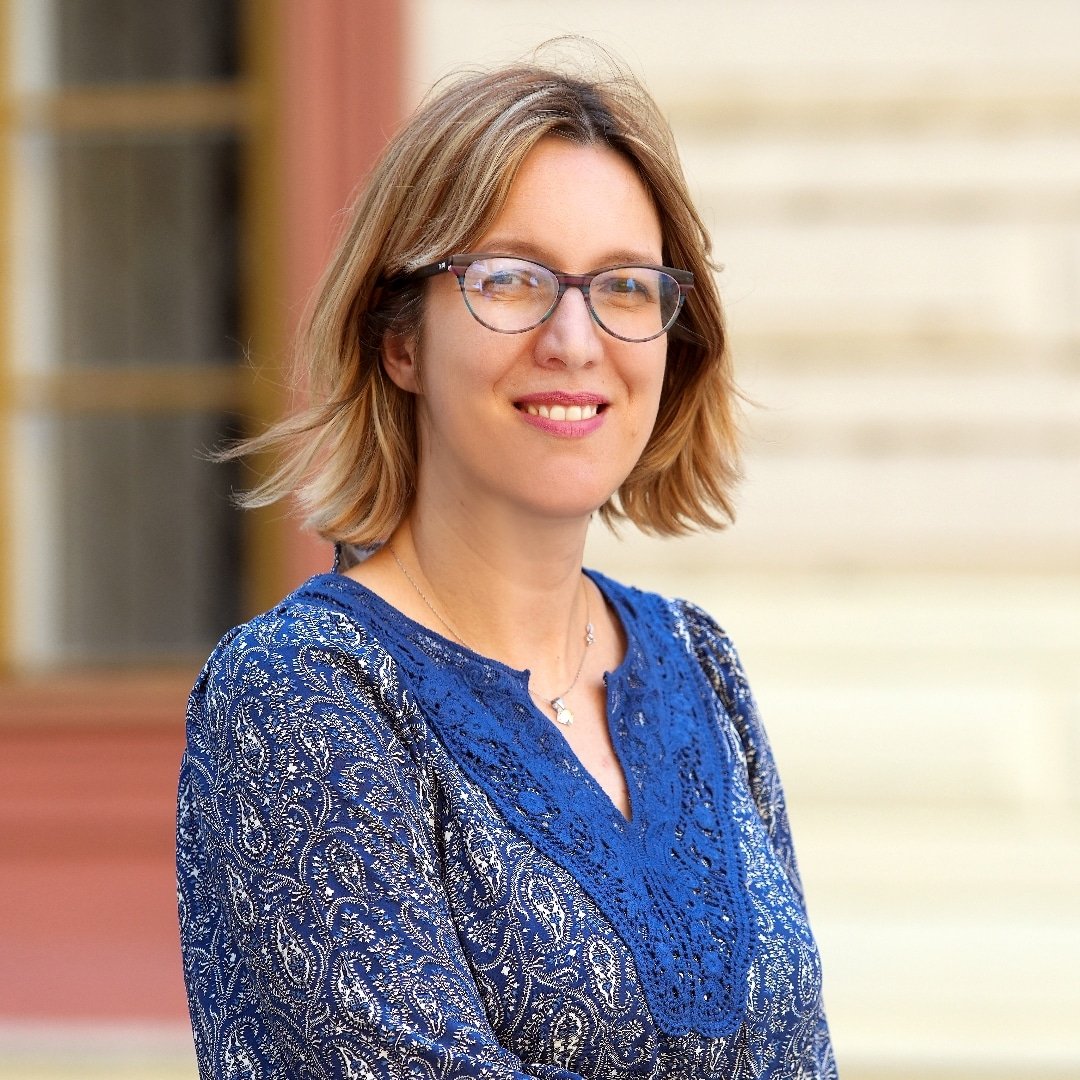
Marina Videnović
Marina Videnović is a Senior Research Associate at the Institute of Psychology. Her research focuses on adolescent learning and socialisation in school settings and during leisure time. She served as the lead analyst for the PISA 2018 and PISA 2022 studies. She has contributed to the national „PEER-Solvers“ project and the Erasmus+ „PROSTEAM“ project. She is currently a member of the team working on the Erasmus+ „Co-CREATE“ project.
Marina Videnović
Co-CREATE: Computer-Supported Collaborative Learning to Enhance Student Motivation
Marina Videnović is a Senior Research Associate at the Institute of Psychology. Her research focuses on adolescent learning and socialisation in school settings and during leisure time. She served as the lead analyst for the PISA 2018 and PISA 2022 studies. She has contributed to the national „PEER-Solvers“ project and the Erasmus+ „PROSTEAM“ project. She…
Martin Kalamković
Martin Kalamković, PhD, is an educator dedicated to fostering innovation and inclusion through technology. He works at the „Milan Petrović“ School for Primary and Secondary Education and the „Petnica“ Science Centre. As an ambassador for the international Scientix and eTwinning networks, he actively promotes innovative educational practices. He coordinates Erasmus+ projects, delivers invited lectures at the request of the Ministry of Education, and is the author of accredited professional development programmes.
Martin Kalamković
Opportunities for Using Virtual Reality (VR) Technologies to Promote Inclusion
Martin Kalamković, PhD, is an educator dedicated to fostering innovation and inclusion through technology. He works at the „Milan Petrović“ School for Primary and Secondary Education and the „Petnica“ Science Centre. As an ambassador for the international Scientix and eTwinning networks, he actively promotes innovative educational practices. He coordinates Erasmus+ projects, delivers invited lectures at…
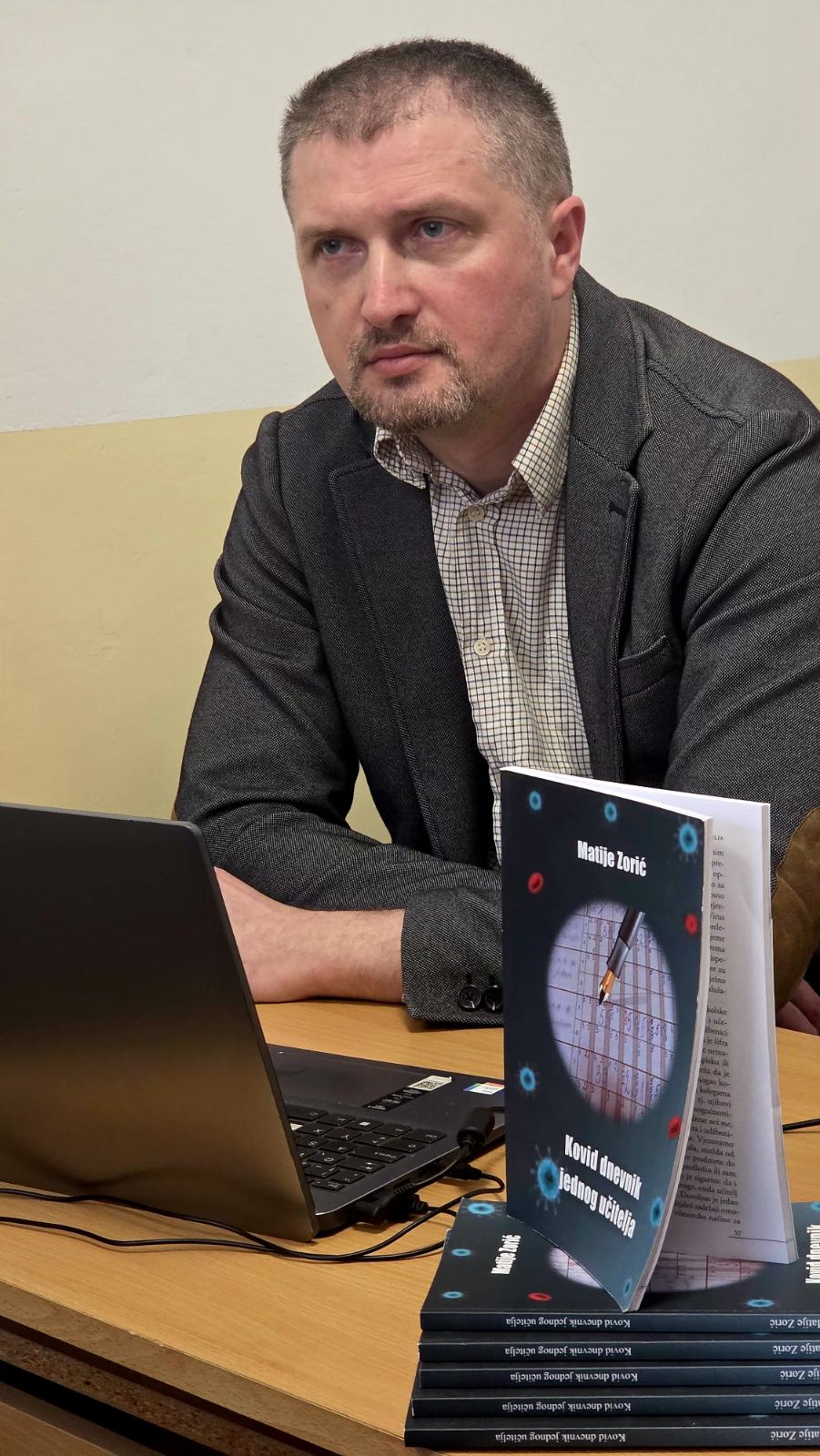
Matije Zorić
Matije Zorić holds a Master’s degree in Primary Education and has over 18 years of experience in primary school teaching, with particular expertise in rural schools and multigrade classrooms. His teaching practice incorporates modern teaching methods, digital technologies, and elements of artificial intelligence. He is the author of accredited professional development programmes, academic papers, and the book „A Teacher’s COVID Diary“. He has also participated in international conferences.
Matije Zorić
One Board, Multiple Possibilities: The SMART Board as a Learning Tool in a Multigrade Classroom in a Small Rural School
Matije Zorić holds a Master’s degree in Primary Education and has over 18 years of experience in primary school teaching, with particular expertise in rural schools and multigrade classrooms. His teaching practice incorporates modern teaching methods, digital technologies, and elements of artificial intelligence. He is the author of accredited professional development programmes, academic papers, and…
Melita Brodar
Melita Brodar is a chemistry teacher who graduated from the Faculty of Science and Mathematics. She teaches chemistry at „Ivana Kukuljević Sakcinski Primary School“ in Ivanec, Croatia. Her work places a strong emphasis on inquiry-based and experiential learning, fostering creativity, and working with gifted and highly motivated students. She actively contributes to the design and implementation of STEM activities, projects, and extracurricular programmes, while encouraging collaboration among students of different ages and cooperation within and beyond the school. She is involved in Erasmus+ activities and international cooperation and serves as a Scientix Ambassador and an ambassador for the Women Science Teachers initiative. She regularly presents her experience and examples of good practice at professional development events and conferences.
Melita Brodar
When AI Provides an Answer: How Can We Encourage Critical Thinking?
Melita Brodar is a chemistry teacher who graduated from the Faculty of Science and Mathematics. She teaches chemistry at „Ivana Kukuljević Sakcinski Primary School“ in Ivanec, Croatia. Her work places a strong emphasis on inquiry-based and experiential learning, fostering creativity, and working with gifted and highly motivated students. She actively contributes to the design and…
Michael Hallissy
Michael Hallissy is an international digital education specialist and co-founder of H2 Learning. He has worked as a consultant with the World Bank, the Irish Department of Education, the European Commission, UNICEF and UNESCO in the field of digital education over the past 25 years. He is research active and is involved in a range of Erasmus+ projects focused on aspects of digital education, including AI in education. As a former teacher he is cognisant of the key role teachers and school leaders play in designing and implementing digital change in schools, in a measured and sustainable way.
Michael Hallissy
Digital education: affirming what works and ensuring teachers are at the core
Michael Hallissy is an international digital education specialist and co-founder of H2 Learning. He has worked as a consultant with the World Bank, the Irish Department of Education, the European Commission, UNICEF and UNESCO in the field of digital education over the past 25 years. He is research active and is involved in a range…

Milan Milanović
Milan Milanović is an Assistant Professor of English Language and Applied Linguistics at the University of Doha for Science and Technology (UDST), Qatar. His teaching and research interests include language assessment, AI in education, academic communication, and the pedagogically responsible use of generative AI in higher education.
Milan Milanović
From AI Literacy to Employability: Rethinking Teaching and Assessment for the AI-Enhanced Workplace
Milan Milanović is an Assistant Professor of English Language and Applied Linguistics at the University of Doha for Science and Technology (UDST), Qatar. His teaching and research interests include language assessment, AI in education, academic communication, and the pedagogically responsible use of generative AI in higher education.

Milena Vujanović
Milena Vujanović holds a Master’s degree in Early Childhood Education and works at the British International School in Belgrade. She completed both her undergraduate and master’s studies at the Faculty of Education in Užice, University of Kragujevac, and further developed her professional skills through academic mobility programmes at universities in Slovakia and Hungary. She is committed to continuous professional development in child psychology, psychological first aid, and play therapy. She speaks English, Turkish, Spanish, and Italian, and has published two poetry collections.
Milena Vujanović
Integrated Learning Through Digital Storytelling: Fostering Speech and Critical Thinking in Early Childhood
Milena Vujanović holds a Master’s degree in Early Childhood Education and works at the British International School in Belgrade. She completed both her undergraduate and master’s studies at the Faculty of Education in Užice, University of Kragujevac, and further developed her professional skills through academic mobility programmes at universities in Slovakia and Hungary. She is…

Milica Brajović
Milica Brajović holds a Master’s degree in Early Childhood Education and has 19 years of experience in the field. She participates in professional gatherings for early childhood educators and has authored several professional papers presented at conferences. Her particular interests include using digital technologies to foster children’s curiosity, promote learning through play, strengthen collaboration with families, and encourage professional exchange and sharing of experience.
Milica Brajović
Digital Tools to Support Learning Through Play, Family Engagement, and the Professional Development of Early Childhood Educators
Milica Brajović holds a Master’s degree in Early Childhood Education and has 19 years of experience in the field. She participates in professional gatherings for early childhood educators and has authored several professional papers presented at conferences. Her particular interests include using digital technologies to foster children’s curiosity, promote learning through play, strengthen collaboration with…

Milica Crnjaković
Milica Crnjaković is an early childhood educator at the “Jelica Obradović” Preschool Institution in Mladenovac. Through her commitment and creativity, she actively contributes to improving educational practice and supporting the development of the institution. She has pursued her professional career within the institution at the “Breze” kindergarten. Her particular interests and expertise focus on collaboration with the local community, building successful partnerships and connecting children with their wider environment. As a regular presenter at the institution’s professional meetings, she enjoys sharing good practices and exchanging experiences with colleagues. She continuously develops her professional competencies by participating in numerous seminars and professional training programmes, contributing to innovative practice and the overall quality of the institution’s work.
Milica Crnjaković
Cultivating a Culture of Digital Technology Use in Early Childhood Education: Strengthening a Learning Community Through Collaboration and Connection
Milica Crnjaković is an early childhood educator at the “Jelica Obradović” Preschool Institution in Mladenovac. Through her commitment and creativity, she actively contributes to improving educational practice and supporting the development of the institution. She has pursued her professional career within the institution at the “Breze” kindergarten. Her particular interests and expertise focus on collaboration…
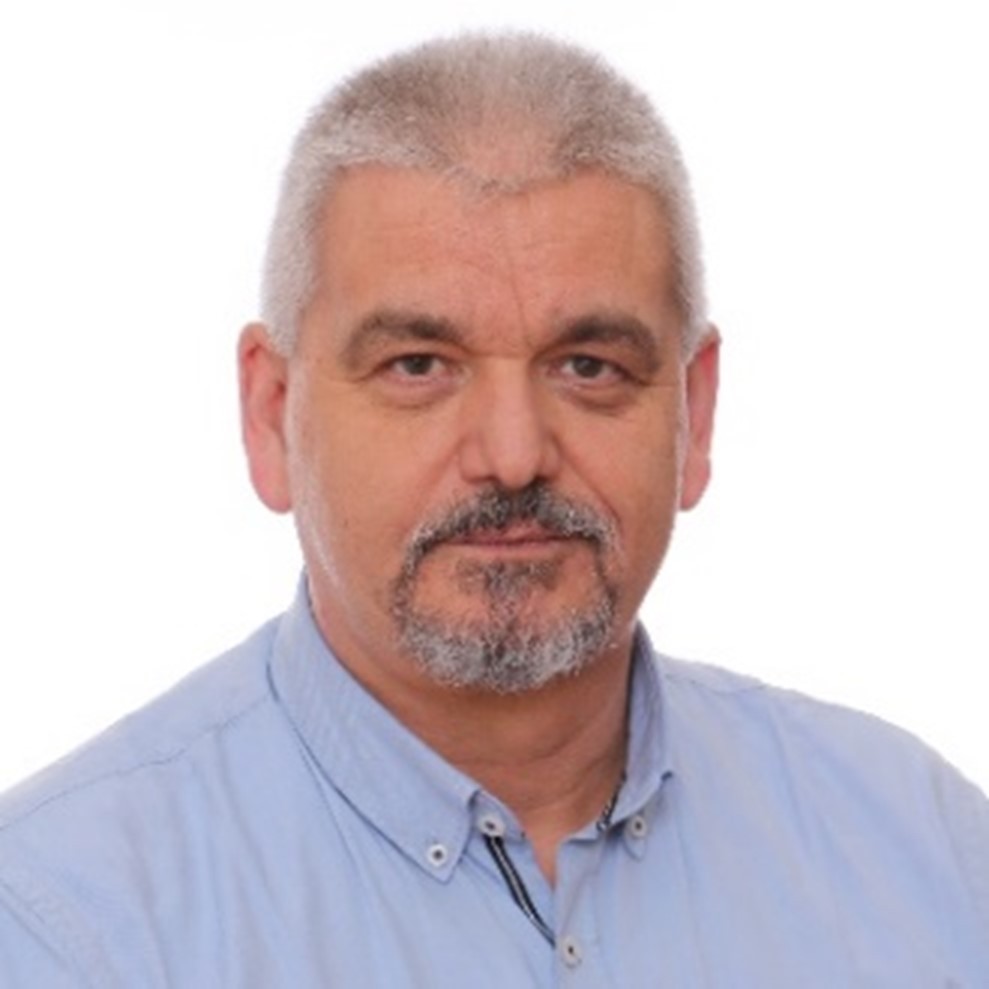
Mirza Žižak
Prof. Mirza Žižak, MD, PhD, is Head of the Department of Physiology and Chair of the Department of Physiology and Immunology, as well as Head of the E-Learning Office and Editor-in-Chief of the web portal at the University of Zagreb School of Medicine (MEF). For the past 25 years, his scientific and professional interests have focused on the development of e-learning and the use of innovative teaching methods in higher education. He has led numerous workshops on the application of AI-supported innovative pedagogical approaches and e-learning at various faculties and universities in Croatia and Bosnia and Herzegovina. He has led or partnered in several research, educational, and pilot projects, including the Erasmus+ projects SAILeR, AHEDIS, and NANO-THINK, as well as the e-Sveučilište pilot project.
Mirza Žižak
Self-Regulated Learning as a Prerequisite for a Successful Flipped Classroom: The 3D-SRL Conceptual Model
Prof. Mirza Žižak, MD, PhD, is Head of the Department of Physiology and Chair of the Department of Physiology and Immunology, as well as Head of the E-Learning Office and Editor-in-Chief of the web portal at the University of Zagreb School of Medicine (MEF). For the past 25 years, his scientific and professional interests have…

Mladenka Obućina
Mladenka Obućina holds a degree in Psychology and has worked in education since 2010 as both a teacher and a school psychologist. She designs and delivers accredited teacher training programmes and presents at accredited conferences. She is also a member and presenter at the National Section of Educational Support Professionals. Her work focuses on preventive, counselling, and educational support.
Mladenka Obućina
The Eighth-Grade Final Exam, Big Emotions: An Interactive Digital Tool to Educate and Support Students Preparing for the Final Exam
Mladenka Obućina holds a degree in Psychology and has worked in education since 2010 as both a teacher and a school psychologist. She designs and delivers accredited teacher training programmes and presents at accredited conferences. She is also a member and presenter at the National Section of Educational Support Professionals. Her work focuses on preventive,…
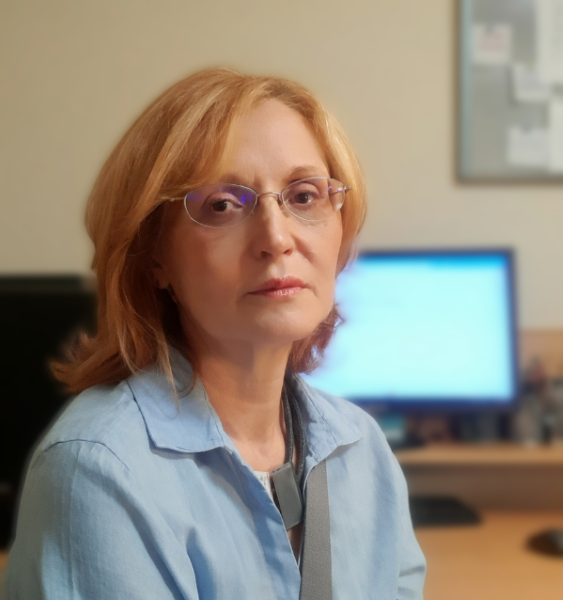
Nataša Anđelković
Nataša Anđelković is an expert in digital education in early childhood education, with extensive experience in the use of educational technologies, the development of preschool teachers’ digital competences, and the enhancement of educational practice. Through her work and professional engagement, she actively promotes a culture of digital technology use and its integration across all areas of preschool teachers’ practice.
Nataša Anđelković
Creating a Guided Play Activity „The Gift Hunt“ Using Digital and AI Tools
Nataša Anđelković is an expert in digital education in early childhood education, with extensive experience in the use of educational technologies, the development of preschool teachers’ digital competences, and the enhancement of educational practice. Through her work and professional engagement, she actively promotes a culture of digital technology use and its integration across all areas…
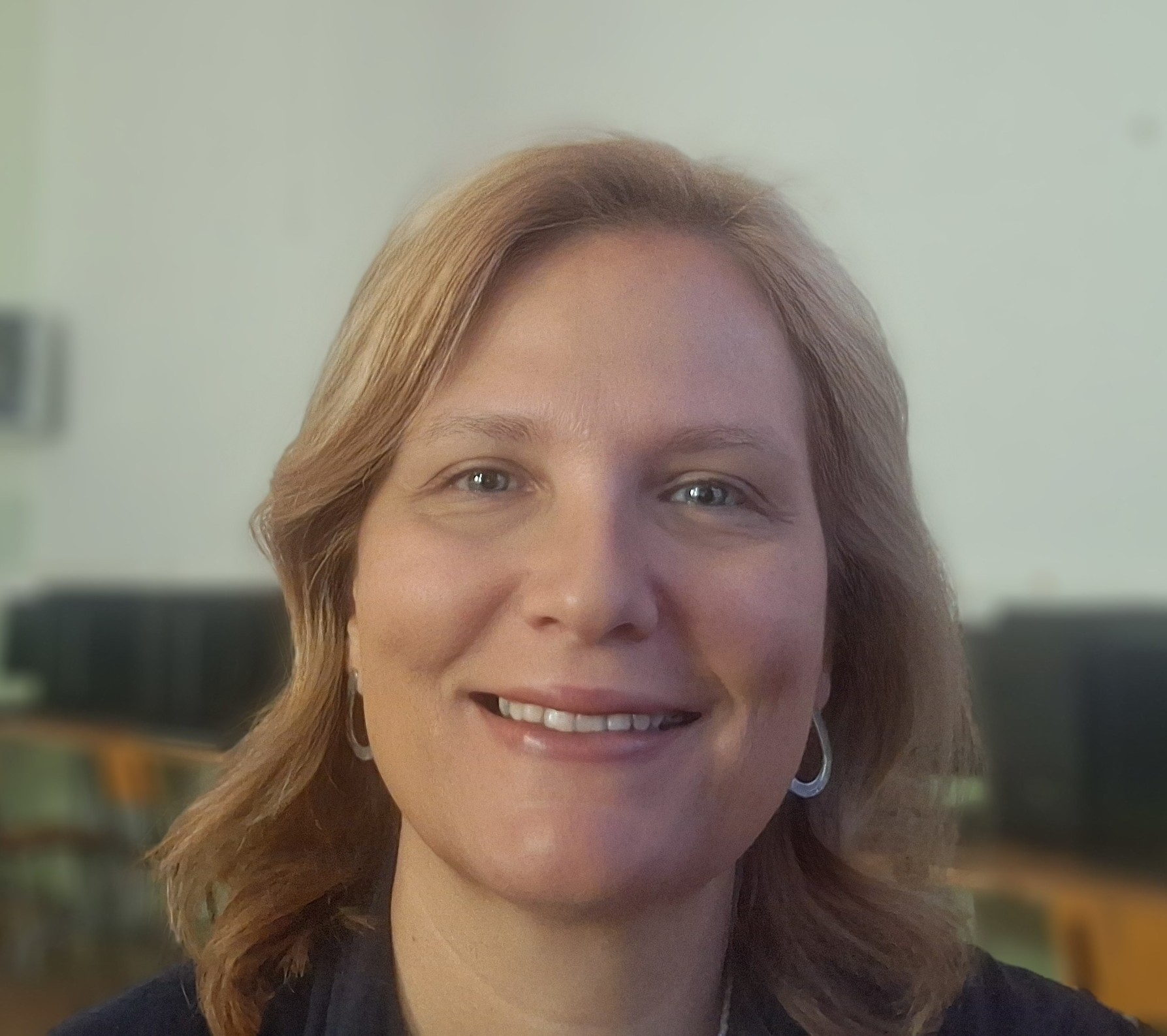
Nataša Đurić-Lazović
Nataša Đurić-Lazović graduated from the Faculty of Mathematics at the University of Belgrade. After working in the private sector as a software developer, she turned to teaching. At the Sixth Belgrade Gymnasium, she teaches Computing and Informatics, as well as specialised IT subjects. She leads the programming and robotics club and is involved in the work of the school’s Makers Lab.
Nataša Đurić-Lazović
When Students Become Researchers and Creators: Digital Technologies in Collaborative and Cross-Curricular Learning – Insights from the “Women Scientists Today – Inspiration for the Future” Project
Nataša Đurić-Lazović graduated from the Faculty of Mathematics at the University of Belgrade. After working in the private sector as a software developer, she turned to teaching. At the Sixth Belgrade Gymnasium, she teaches Computing and Informatics, as well as specialised IT subjects. She leads the programming and robotics club and is involved in the…
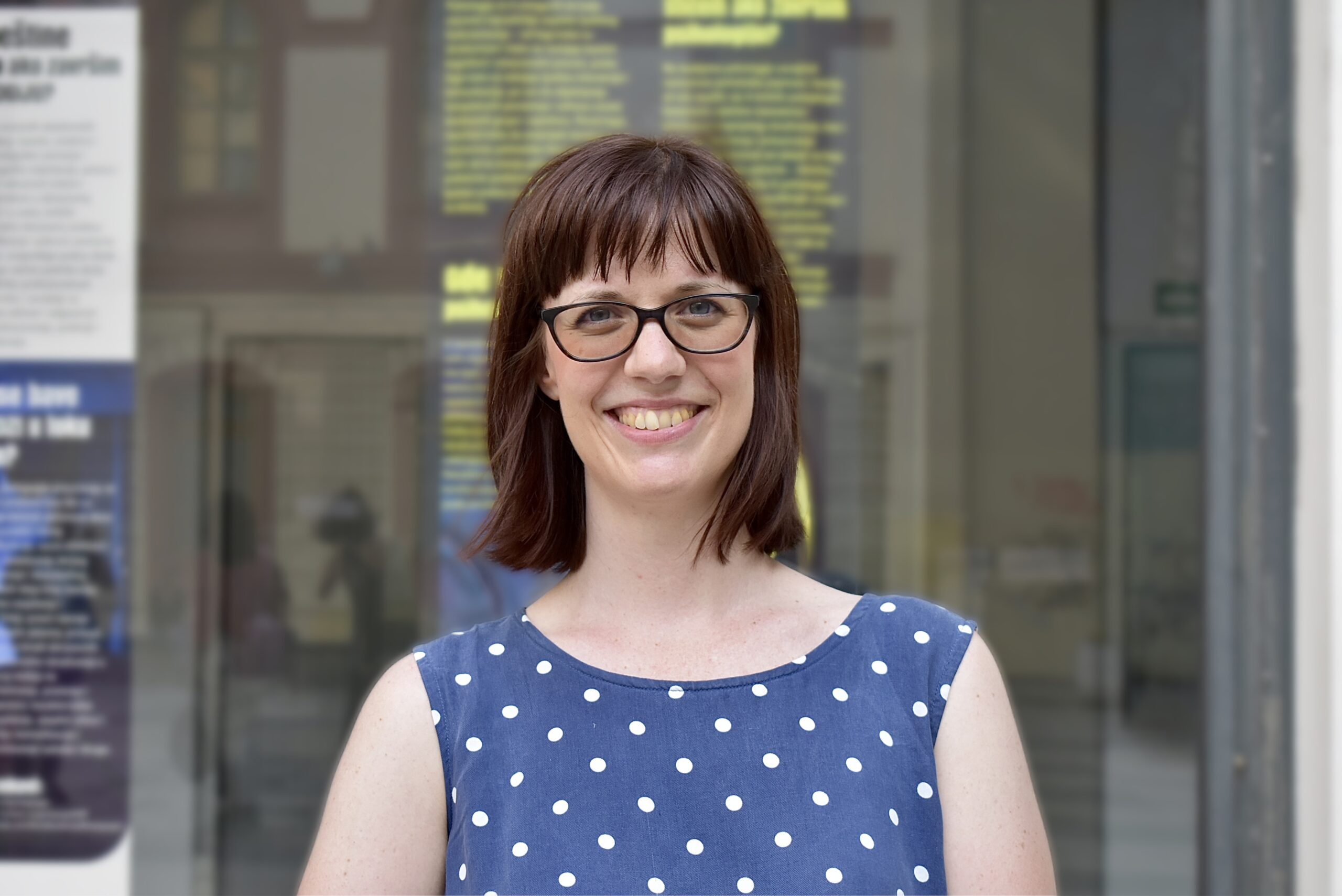
Nataša Simić
Nataša Simić is a Principal Research Fellow at the Institute of Psychology. Her primary areas of expertise are inclusive education and teacher professional development. She leads the TEACHEMPOWER project, supported by the UniCredit Foundation, as well as the Erasmus+ KA2 project „Co-CREATE“. Since 2010, she has also taught a range of courses in educational psychology at the Faculty of Philosophy, University of Belgrade.
Nataša Simić
Co-CREATE: Computer-Supported Collaborative Learning to Enhance Student Motivation
Nataša Simić is a Principal Research Fellow at the Institute of Psychology. Her primary areas of expertise are inclusive education and teacher professional development. She leads the TEACHEMPOWER project, supported by the UniCredit Foundation, as well as the Erasmus+ KA2 project „Co-CREATE“. Since 2010, she has also taught a range of courses in educational psychology…

Nikola Luburić
Nikola Luburić’s work bridges software engineering and education. He develops conceptual frameworks and digital tools to enhance the quality of higher education and applies them in teaching to better prepare future software engineers. His work focuses on project-based learning, intelligent tutoring systems, and the application of large language models to support all aspects of the educational process.
Nikola Luburić
Using Artificial Intelligence to Create Interactive Educational Visuals
Nikola Luburić’s work bridges software engineering and education. He develops conceptual frameworks and digital tools to enhance the quality of higher education and applies them in teaching to better prepare future software engineers. His work focuses on project-based learning, intelligent tutoring systems, and the application of large language models to support all aspects of the…
Olivera Potić
Olivera Potić is a Serbian language and literature teacher with 39 years of experience in both the Serbian and French education systems. She is the co-author of the teaching handbook „Bez po muke ide nam od ruke“ and the creator of the „Bez po muke 2.0“ project. Her work focuses on project-based learning, digital pedagogy, and the responsible use of artificial intelligence in education.
Olivera Potić
From Products to Process: Project-Based Learning in the Age of Artificial Intelligence
Olivera Potić is a Serbian language and literature teacher with 39 years of experience in both the Serbian and French education systems. She is the co-author of the teaching handbook „Bez po muke ide nam od ruke“ and the creator of the „Bez po muke 2.0“ project. Her work focuses on project-based learning, digital pedagogy,…
Petra Bevek
Petra Bevek is an expert in education, digital citizenship, the responsible use of artificial intelligence in education, and strategic communications. At Arnes, she connects the educational community and collaborates with European partners. She is an ambassador for the European Digital Education Hub (EDEH) and advocates for ethics, critical thinking, and responsible digital transformation.
Petra Bevek
Lara Croft in the Age of Artificial Intelligence: After Opening Pandora’s Box – Teachers as explorers, guides, and guardians of critical thinking
Petra Bevek is an expert in education, digital citizenship, the responsible use of artificial intelligence in education, and strategic communications. At Arnes, she connects the educational community and collaborates with European partners. She is an ambassador for the European Digital Education Hub (EDEH) and advocates for ethics, critical thinking, and responsible digital transformation.
Renata Papec
Renata Papec holds a Master’s degree in Computer Science and is a teacher adviser at „Ivana Kukuljević Sakcinski Primary School“ in Ivanec, Croatia, where she teaches computer science. Her work focuses particularly on the application of artificial intelligence in education, the development of innovative learning models, and the education of both students and teachers. She leads an artificial intelligence workshop at the Centre of Excellence of Varaždin County.
Renata Papec
When AI Provides an Answer: How Can We Encourage Critical Thinking?
Renata Papec holds a Master’s degree in Computer Science and is a teacher adviser at „Ivana Kukuljević Sakcinski Primary School“ in Ivanec, Croatia, where she teaches computer science. Her work focuses particularly on the application of artificial intelligence in education, the development of innovative learning models, and the education of both students and teachers. She…
Samira Bührer
Samira Bührer is an education policy professional with international experience in European education policy, higher education and digital learning. She has worked with European and international networks in Brussels and focuses on AI, immersive learning, education innovation and the future of skills.
Samira Bührer
The Avatar State: How AI and Immersive Learning Can Create Safer Spaces for Participation and Inclusion
Samira Bührer is an education policy professional with international experience in European education policy, higher education and digital learning. She has worked with European and international networks in Brussels and focuses on AI, immersive learning, education innovation and the future of skills.
Sandra Brkanović
Sandra Brkanović is Director of the Education Reform Initiative of South Eastern Europe (ERI SEE) Secretariat. She leads regional cooperation in education and training, supporting national reforms and partnerships across South Eastern Europe, with a focus on vocational education, teacher education and training, quality assurance, digital transition and digitalisation.
Sandra Brkanović
Regional Cooperation for Digital Education and Teacher Development in South Eastern Europe
Sandra Brkanović is Director of the Education Reform Initiative of South Eastern Europe (ERI SEE) Secretariat. She leads regional cooperation in education and training, supporting national reforms and partnerships across South Eastern Europe, with a focus on vocational education, teacher education and training, quality assurance, digital transition and digitalisation.
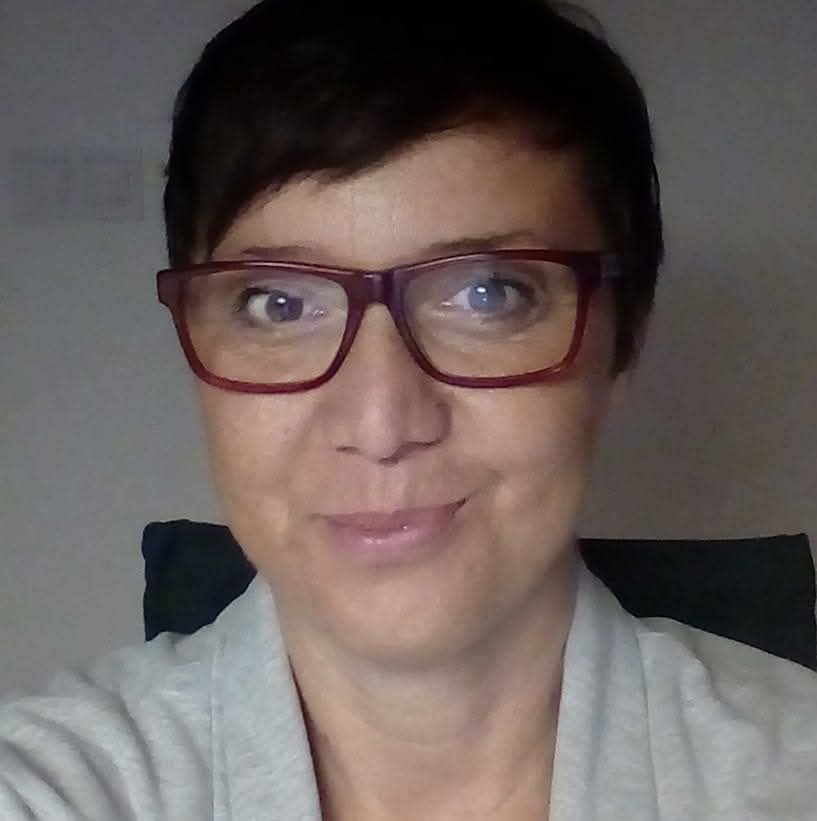
Sanja Sajko
Sanja Sajko is an Early Childhood Education Adviser from Zagreb with many years of experience in early childhood and preschool education. Her work focuses on children’s holistic development, with a particular emphasis on participation in numerous eTwinning projects. She actively incorporates modern teaching methods and digital tools into her work in kindergarten and regularly presents at professional conferences and events in Croatia and the wider region.
Sanja Sajko
Unplugged Coding: How to Introduce Computational Thinking to Young Children in Early Childhood Education
Sanja Sajko is an Early Childhood Education Adviser from Zagreb with many years of experience in early childhood and preschool education. Her work focuses on children’s holistic development, with a particular emphasis on participation in numerous eTwinning projects. She actively incorporates modern teaching methods and digital tools into her work in kindergarten and regularly presents…

Slavica Jeremić
Slavica Jeremić holds a Master’s degree in Professional Early Childhood Education and has over 16 years of experience in early childhood education. She works at „Bambi“ Preschool Institution in Bor, Serbia. Her professional work focuses on exploring children’s participation, pedagogical documentation, and reflective practice, with a particular emphasis on integrating digital technologies and artificial intelligence tools into early childhood education. Examples of her good practice have been recognised at numerous professional events in Serbia and the wider region. This is her third time participating as a speaker at the „Digital Education“ Conference.
Slavica Jeremić
Digital Traces of Learning: AI and Technology in the Service of Reflective Practice
Slavica Jeremić holds a Master’s degree in Professional Early Childhood Education and has over 16 years of experience in early childhood education. She works at „Bambi“ Preschool Institution in Bor, Serbia. Her professional work focuses on exploring children’s participation, pedagogical documentation, and reflective practice, with a particular emphasis on integrating digital technologies and artificial intelligence…
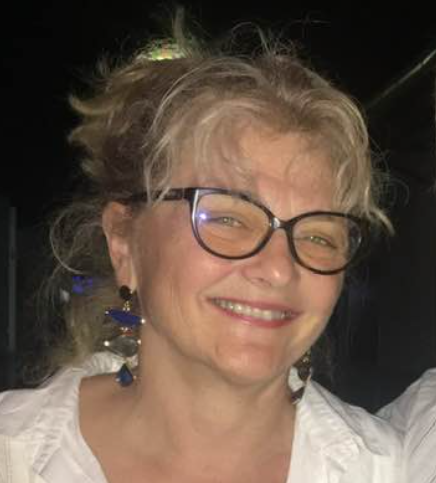
Snežana Marković
Snežana Marković is a computing teacher with 35 years of experience in advancing computer science education and digital learning. She designs and delivers online and hybrid professional development programmes and educational projects. She collaborates with the British Council and has worked with UNICEF, the Institute for the Improvement of Education (ZUOV), and the Institute for Education Quality and Evaluation (ZVKOV). She has also contributed to the development of strategic documents on digital education. At her school, she coordinates the Makers Lab.
Snežana Marković
When Students Become Researchers and Creators: Digital Technologies in Collaborative and Cross-Curricular Learning – Insights from the “Women Scientists Today – Inspiration for the Future” Project
Snežana Marković is a computing teacher with 35 years of experience in advancing computer science education and digital learning. She designs and delivers online and hybrid professional development programmes and educational projects. She collaborates with the British Council and has worked with UNICEF, the Institute for the Improvement of Education (ZUOV), and the Institute for Education…
Suzana Janković
Suzana Janković is an English language teacher with 22 years of teaching experience. She chairs a subject department and coordinates the Professional Development and Teaching Digitalisation Team. At the GSP Technical School, she is developing a hybrid approach to teaching English for Specific Purposes, integrating artificial intelligence into teaching and learning and creating tailored learning materials to meet the needs of students in different technical fields.
Suzana Janković
Artificial Intelligence in English for Specific Purposes Teaching: A Personalised Approach for Vocational School Students
Suzana Janković is an English language teacher with 22 years of teaching experience. She chairs a subject department and coordinates the Professional Development and Teaching Digitalisation Team. At the GSP Technical School, she is developing a hybrid approach to teaching English for Specific Purposes, integrating artificial intelligence into teaching and learning and creating tailored learning…

Tamara Ilić
Tamara Ilić holds a Master’s degree in Early Childhood Education and works as a lead preschool teacher at „Vesna“ Preschool Institution in New Belgrade. Over the past 11 years, she has incorporated a range of digital tools and applications into her work with children while continuously developing her professional skills. She has presented at numerous conferences on the use of digital technologies in early childhood education and participated in the Erasmus+ project Knowledge for the Future in 2018.
Tamara Ilić
Using Web Tools, Applications, Virtual Reality and Artificial Intelligence in the Development of Topics and Projects
Tamara Ilić holds a Master’s degree in Early Childhood Education and works as a lead preschool teacher at „Vesna“ Preschool Institution in New Belgrade. Over the past 11 years, she has incorporated a range of digital tools and applications into her work with children while continuously developing her professional skills. She has presented at numerous…
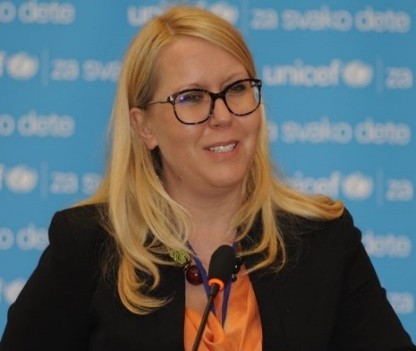
Tanja Ranković
Since 2012, Tanja Rankovic has led UNICEF Serbia’s education programme and has been behind numerous systemic initiatives aimed at improving the quality and equity of education for all children. Under her leadership, UNICEF in Serbia has launched key initiatives in early childhood education, inclusive and equitable learning, quality improvement, digitalization, violence- and discrimination-prevention, as well as efforts to reduce school dropout. Her extensive experience includes developing and coordinating strategic initiatives and partnerships with government institutions, academic organizations, civil society, and international partners. Tanja has also initiated and guided numerous research studies that have helped shape modern and effective education policies and inform evidence-based solutions across the system.
From 2022 to 2024, she developed and led UNICEF’s education, early childhood development, and adolescent programme in Slovakia.
Previously, from 2006 to 2012, she served as Deputy Manager and Coordinator for Education and Human Capital Development in the Social Inclusion and Poverty Reduction Unit of the Government of Serbia/Office of the Deputy Prime Minister. In these roles, she oversaw the development, coordination, monitoring, and implementation of education policies within the social inclusion and poverty reduction agenda, and contributed to national strategic documents and major reform initiatives.
Between 1999 and 2006, she worked in the NGO sector in Serbia, Greece and North Macedonia.
She holds a master’s degree in education policy and advanced her professional expertise through the Equity, Quality and Leadership program at the Harvard Graduate School of Education.
Tanja Ranković
From Digital Tools to Transforming Learning: How EdTech Can Improve the Quality, Inclusiveness and Relevance of Education
Since 2012, Tanja Rankovic has led UNICEF Serbia’s education programme and has been behind numerous systemic initiatives aimed at improving the quality and equity of education for all children. Under her leadership, UNICEF in Serbia has launched key initiatives in early childhood education, inclusive and equitable learning, quality improvement, digitalization, violence- and discrimination-prevention, as well…
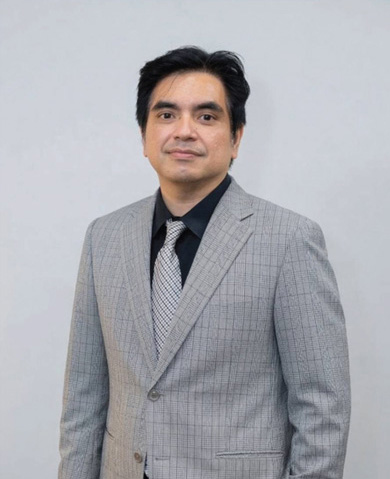
Therdpong Thongseiratch
Assoc. Prof. Therdpong “Ted” Thongseiratch, MD, MSc, is a developmental and behavioral pediatrician and medical educator at the Faculty of Medicine Ramathibodi Hospital, Mahidol University, Thailand. His work focuses on faculty development, AI in health professions education, behavioral science, and educational innovation.
Therdpong Thongseiratch
From AI Literacy to AI-Ready Faculty: Designing Faculty Development for Responsible and Effective AI Integration
Assoc. Prof. Therdpong “Ted” Thongseiratch, MD, MSc, is a developmental and behavioral pediatrician and medical educator at the Faculty of Medicine Ramathibodi Hospital, Mahidol University, Thailand. His work focuses on faculty development, AI in health professions education, behavioral science, and educational innovation.
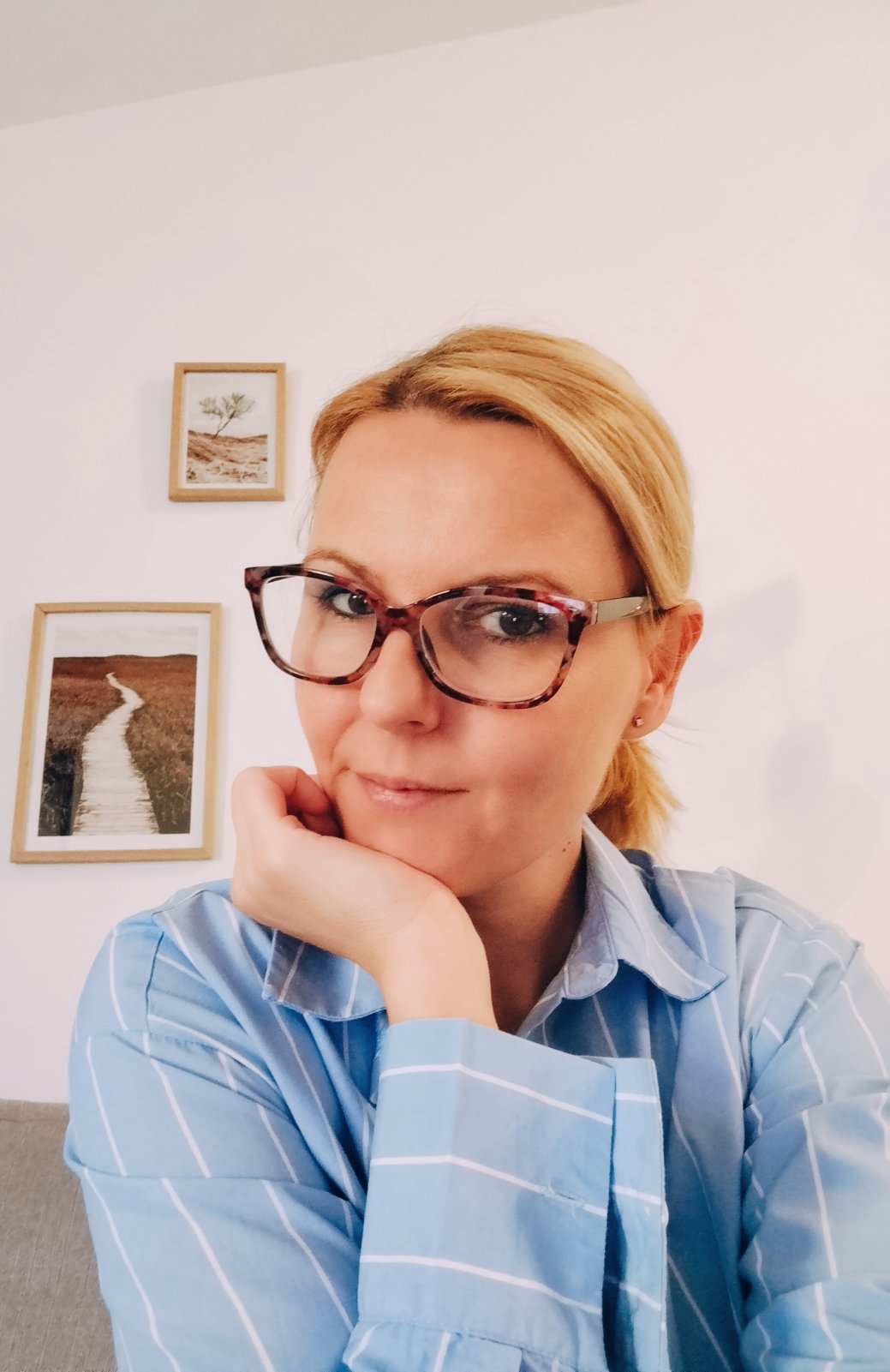
Tijana Radisavljević
Tijana Radisavljević is an English language teacher who graduated from the Faculty of Philology at the University of Belgrade and has extensive experience in primary and secondary education. Her work focuses particularly on the individualisation of teaching and the use of digital and assistive technologies to support students with additional educational needs. She explores both the potential and the limitations of artificial intelligence in lesson planning and adapting teaching to students’ individual needs. She actively participates in Erasmus+ projects and international cooperation, exchanging experiences and exploring innovative educational practices. She is also a certified scientific and technical translator and a court-certified interpreter for English.
Tijana Radisavljević
Teachers’ AI Literacy in Inclusive Education: Why AI Won’t Replace Us (After All)
Tijana Radisavljević is an English language teacher who graduated from the Faculty of Philology at the University of Belgrade and has extensive experience in primary and secondary education. Her work focuses particularly on the individualisation of teaching and the use of digital and assistive technologies to support students with additional educational needs. She explores both…

Uglješa Marjanović
Uglješa Marjanović is a Professor of Industrial Engineering and Management at the University of Novi Sad and currently serves as a Managing Director of Frankfurt School Solutions GmbH branch office Serbia, a subsidiary of the Frankfurt School of Finance and Management.
He has earned his PhD degree in Industrial Engineering at the University of Novi Sad, Serbia, and was a postdoctoral researcher in the School of Mathematics, Computer Science & Engineering at the City University London. Ugljesa held visiting posts at Bloomsburg University, Penn State University, and helped set up the Cisco Entrepreneur Institute at the University of Novi Sad in Serbia.
He has also been an Adviser to the Minister of Innovation at the Government of Serbia. Developed numerous policy recommendations and reports in digital education.
His research, teaching, and advisory activities are at the intersection of strategy, innovation, digital education, and industrial engineering. His preferred research methods are field surveys, interviews, and observations, as well as multivariate statistical analysis.
Uglješa’s research has been published in well-established academic journals, Information and Management, Information Systems and e-Business Management, International Journal of Managing Projects in Business, Advances in Production Engineering and Management. He is an Editor-in-Chief for the International Journal of Industrial Engineering and Management and a full member of IFIP WG5.7.
He led numerous national and international projects and provided several consultancies, such as EC, ETF, JRC, USAID, UNDP, UNICEF, World Bank, Microsoft, ERI SEE, PwC. Ugljesa was also a branch manager at Tangled – a startup offering state-of-the-art AI solutions, as well as a managing director of efiport GmbH branch office Serbia.
Uglješa Marjanović
AI in Teaching and Learning: Results from „EdTech talents“ Project
Uglješa Marjanović is a Professor of Industrial Engineering and Management at the University of Novi Sad and currently serves as a Managing Director of Frankfurt School Solutions GmbH branch office Serbia, a subsidiary of the Frankfurt School of Finance and Management. He has earned his PhD degree in Industrial Engineering at the University of Novi…

Zdravka Majkić
Zdravka Majkić is an English language teacher with extensive experience in both formal and non-formal education. In her school practice, she works with students of different ages and needs, including those following Individual Education Plans (IEPs). Her work places particular emphasis on inclusion, the digital transformation of education, and empowering students through innovative learning methods. She actively participates in international projects, particularly those within the Erasmus+ programme, where she delivers workshops and develops publications on inclusion, digital technologies, and interdisciplinary approaches to teaching. She is the author and co-author of professional papers and teacher training programmes, with a focus on the use of digital tools and artificial intelligence in education. Her professional interests include digital education, foreign language teaching methodology, the development of educational resources, and supporting teachers in strengthening their professional competences. At conferences and training events, she enjoys sharing practical experience and promoting the idea that technology should serve as a tool for creating creative, inclusive, and supportive learning environments.
Zdravka Majkić
AI Is Not Differentiation: The Teacher Makes the Key Pedagogical Decisions
Zdravka Majkić is an English language teacher with extensive experience in both formal and non-formal education. In her school practice, she works with students of different ages and needs, including those following Individual Education Plans (IEPs). Her work places particular emphasis on inclusion, the digital transformation of education, and empowering students through innovative learning methods.…
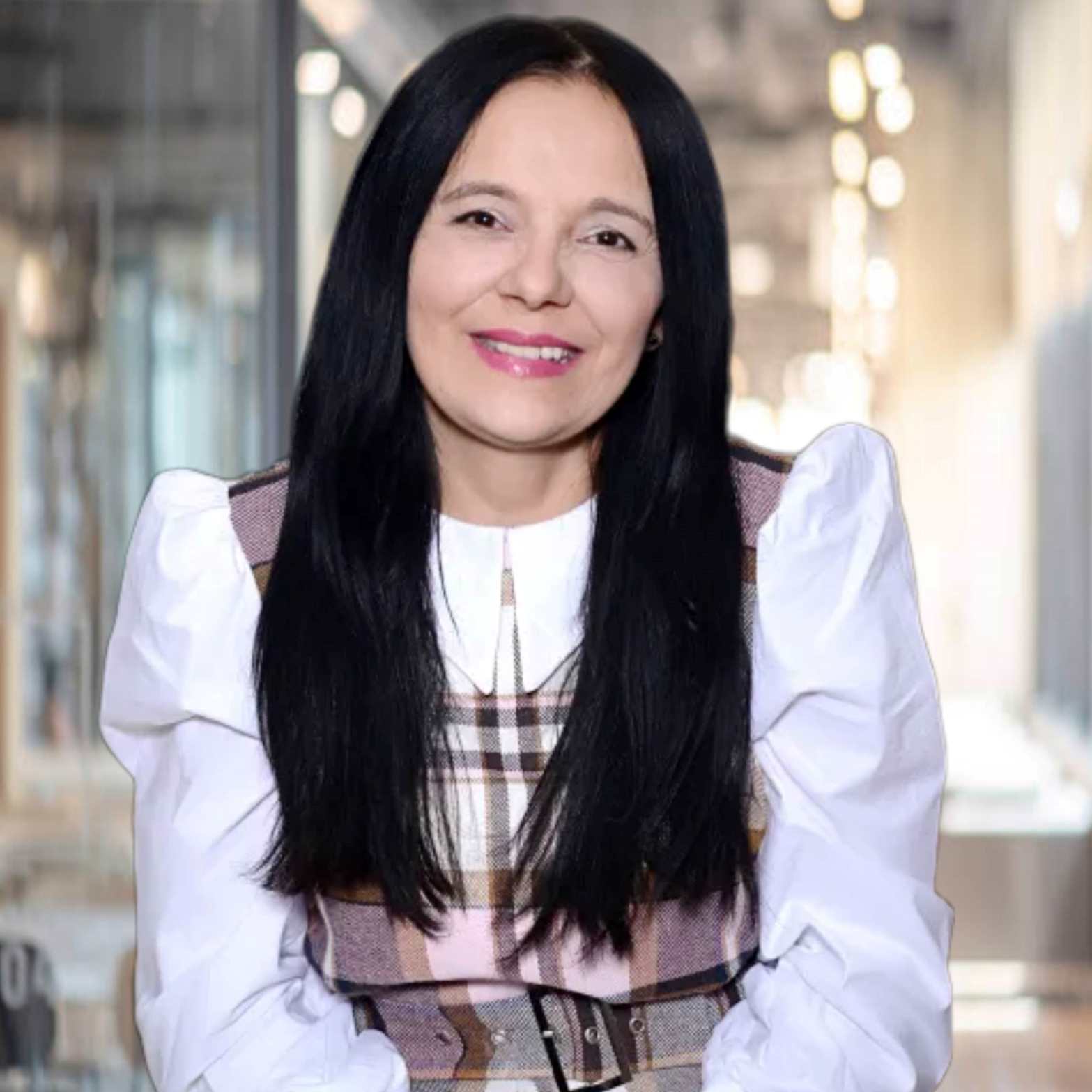
Zvonimirka Jovičić
Zvonimirka Jovičić holds a Master’s degree in Mathematics Education for Primary School Teaching. She has been teaching at “Knez Lazar” Primary School in Žagubica for over two decades and holds the title of Pedagogical Adviser. In 2015, she received the Best Educators of Serbia award and was one of the national winners in the competition for the Global Teacher Prize.
She is the author of a handbook on integrative teaching for first grade and co-author of handbooks for third and fourth grade, published by Eduka. Her award-winning work includes A Lesson to Learn From (Čas za ugled) and A Digital Lesson (Digitalni čas). She received a special award at Intelligence Day 2020 and an award in the 2021 Intelligence Days – Stimulating Intellectual Development competition, as well as recognition in a competition organised by the Institute for Modern Education.
She has authored 42 articles published in journals and other publications, and 55 examples of good practice featured in national databases. She has presented 26 examples of good practice at professional gatherings and SonS webinars. She has also participated in the SonS Festival, is a member of the Institute for Modern Education, and serves as a SonS ambassador. She has presented at three international conferences and at the professional event Growing and Developing Through Practice with a Teacher.
In 2025, she was a semi-finalist in the Prosvetitelj 2025 teaching competition. She has twice been a finalist at national festivals and has delivered webinars for EC “Kon-Tiki”. In 2025, she received first prize in the Learned at a Seminar, Applied in Practice competition.
Several of her articles have been published on the website of the “Živojin Mišić” Association, and she has also contributed work to The STEM Discovery Campaign Blog.
Through her work with pupils in a multigrade classroom, she has earned numerous awards at international and national competitions and showcases.
Zvonimirka Jovičić
Digital Tools for Collaborative and Inquiry-Based Learning: The “My School’s Past” Project
Zvonimirka Jovičić holds a Master’s degree in Mathematics Education for Primary School Teaching. She has been teaching at “Knez Lazar” Primary School in Žagubica for over two decades and holds the title of Pedagogical Adviser. In 2015, she received the Best Educators of Serbia award and was one of the national winners in the competition…