

Below you will find answers to the questions most frequently asked by speakers at previous editions of the conference. If you cannot find the information you are looking for, please feel free to contact us.
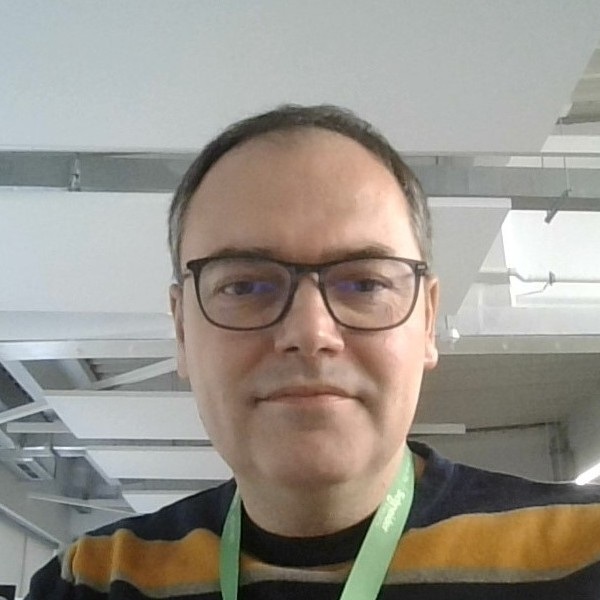
Aleksander Stojićević
Aleksander Stojićević is an IT and business leader with over 25 years of experience in software development, leading development organisations, and international cooperation. He began his career as a software engineer and teaching associate at the Faculty of Technical Sciences in Novi Sad. Over the course of his career, he has taken on responsibility for increasingly large development teams and organisations, including a development organisation of approximately 350 people. He currently heads Intergroup Services at Schneider Electric, focusing on sourcing and collaboration with other Schneider Electric entities. Since 2026, he has also served as Director of the Young Talent Centre Foundation, where he works on developing its educational model and promoting mathematics and programming among young people.
Aleksander Stojićević
Young Talent Centre Foundation
Aleksander Stojićević is an IT and business leader with over 25 years of experience in software development, leading development organisations, and international cooperation. He began his career as a software engineer and teaching associate at the Faculty of Technical Sciences in Novi Sad. Over the course of his career, he has taken on responsibility for…

Bojana Jovanović
Bojana Jovanović is a primary school teacher at „Skadarlija“ Primary School in Belgrade. She actively participates in international eTwinning and Erasmus+ projects and has received the eTwinning National Quality Label for her projects. She is committed to continuous professional development and integrates contemporary teaching methods, digital tools, and artificial intelligence into her classroom practice, fostering students’ creativity and digital competences.
Bojana Jovanović
Myths, Imagination and Artificial Intelligence: From a Child’s Idea to Digital Creation
Bojana Jovanović is a primary school teacher at „Skadarlija“ Primary School in Belgrade. She actively participates in international eTwinning and Erasmus+ projects and has received the eTwinning National Quality Label for her projects. She is committed to continuous professional development and integrates contemporary teaching methods, digital tools, and artificial intelligence into her classroom practice, fostering…
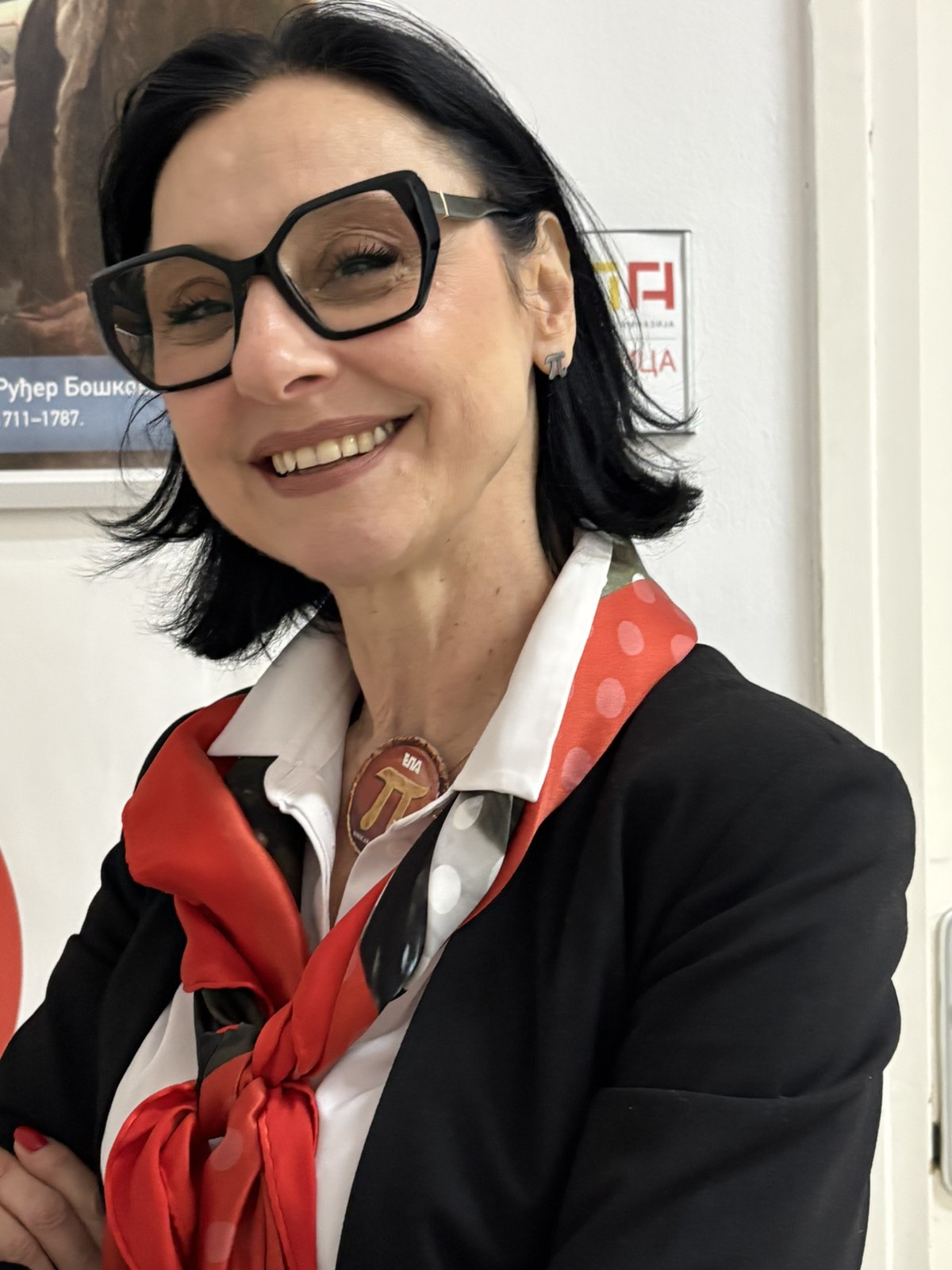
Bojana Satarić
Bojana Satarić holds a degree in Electrical Engineering and has worked as a computer science teacher since 2004. She is a member of the National Education Council, President of the Serbian Computer Science Teachers’ Section, and a member of the Board of Directors of the Serbian Informatics Association. She is the co-author of accredited professional development programmes and the creator of the “Not Every Day Is Pi Day” project. Her work focuses on digital education and the application of artificial intelligence in education.
Bojana Satarić
The Eighth-Grade Final Exam, Big Emotions: An Interactive Digital Tool to Educate and Support Students Preparing for the Final Exam
Bojana Satarić holds a degree in Electrical Engineering and has worked as a computer science teacher since 2004. She is a member of the National Education Council, President of the Serbian Computer Science Teachers’ Section, and a member of the Board of Directors of the Serbian Informatics Association. She is the co-author of accredited professional…
Ivana Miladinović
Ivana Miladinović is an electrical engineering teacher and pedagogical adviser. She graduated from the Faculty of Electronic Engineering in Niš. She collaborates with the Institute for the Improvement of Education, is the author of an accredited teacher professional development programme, and delivers training seminars organised by the Mathematical Society of Serbia. Through national and Erasmus+ projects, she has developed digital competencies and innovative teaching approaches, with a particular focus on the use of emerging technologies in education.
Ivana Miladinović
From AI Chatbot to AI Professional Dialogue Partner
Ivana Miladinović is an electrical engineering teacher and pedagogical adviser. She graduated from the Faculty of Electronic Engineering in Niš. She collaborates with the Institute for the Improvement of Education, is the author of an accredited teacher professional development programme, and delivers training seminars organised by the Mathematical Society of Serbia. Through national and Erasmus+…
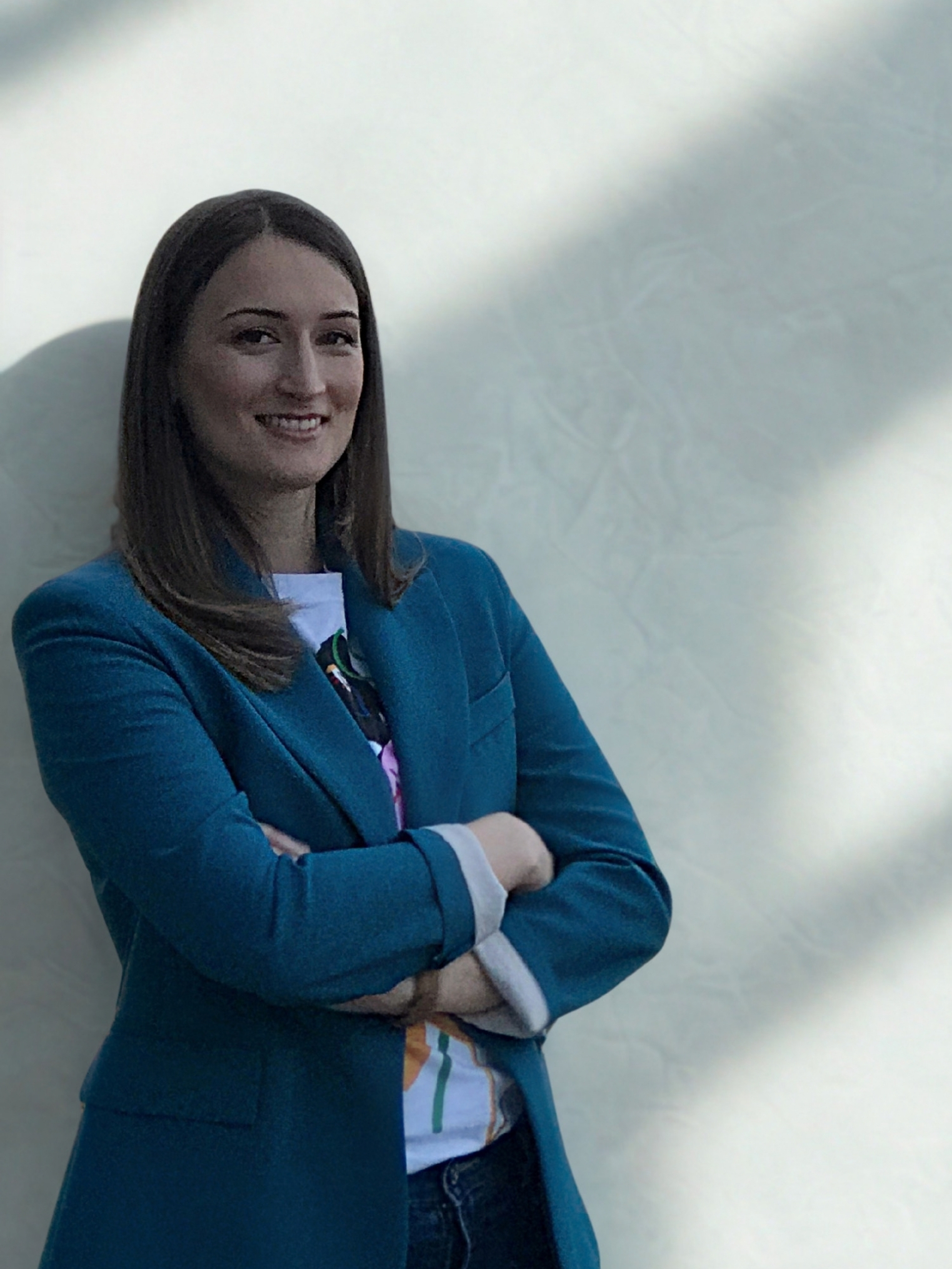
Jasmina Kovačević
Jasmina Kovačević is a Serbian Language and Literature teacher and Pedagogical Adviser at „Skadarlija“ Primary School in Belgrade. Her teaching combines literature, cultural heritage, and contemporary digital tools to foster critical thinking, independence, and peer learning. She participates in international eTwinning and Erasmus+ projects and develops innovative, student-centred teaching approaches.
Jasmina Kovačević
Myths, Imagination and Artificial Intelligence: From a Child’s Idea to Digital Creation
Jasmina Kovačević is a Serbian Language and Literature teacher and Pedagogical Adviser at „Skadarlija“ Primary School in Belgrade. Her teaching combines literature, cultural heritage, and contemporary digital tools to foster critical thinking, independence, and peer learning. She participates in international eTwinning and Erasmus+ projects and develops innovative, student-centred teaching approaches.
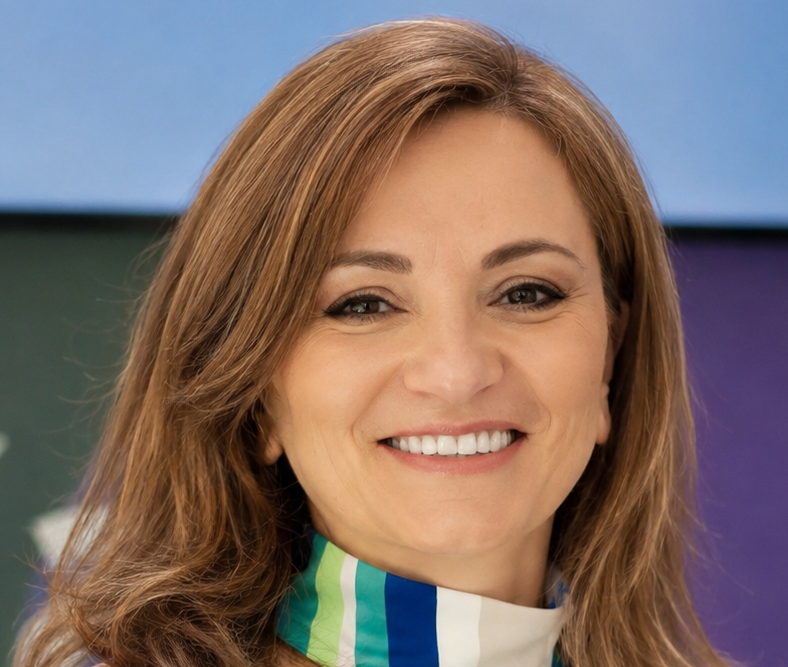
Jasna Marković
Jasna Marković is a mathematician, former teacher, and former secondary school principal with over 20 years of experience in education. Since 2023, she has been working on international projects focused on evaluating and improving AI systems, particularly in mathematics, STEM, and education. Her work bridges pedagogical expertise and the evaluation of AI response quality.
Jasna Marković
When AI Becomes a Tutor: Who Checks Whether It Really Helps Students?
Jasna Marković is a mathematician, former teacher, and former secondary school principal with over 20 years of experience in education. Since 2023, she has been working on international projects focused on evaluating and improving AI systems, particularly in mathematics, STEM, and education. Her work bridges pedagogical expertise and the evaluation of AI response quality.
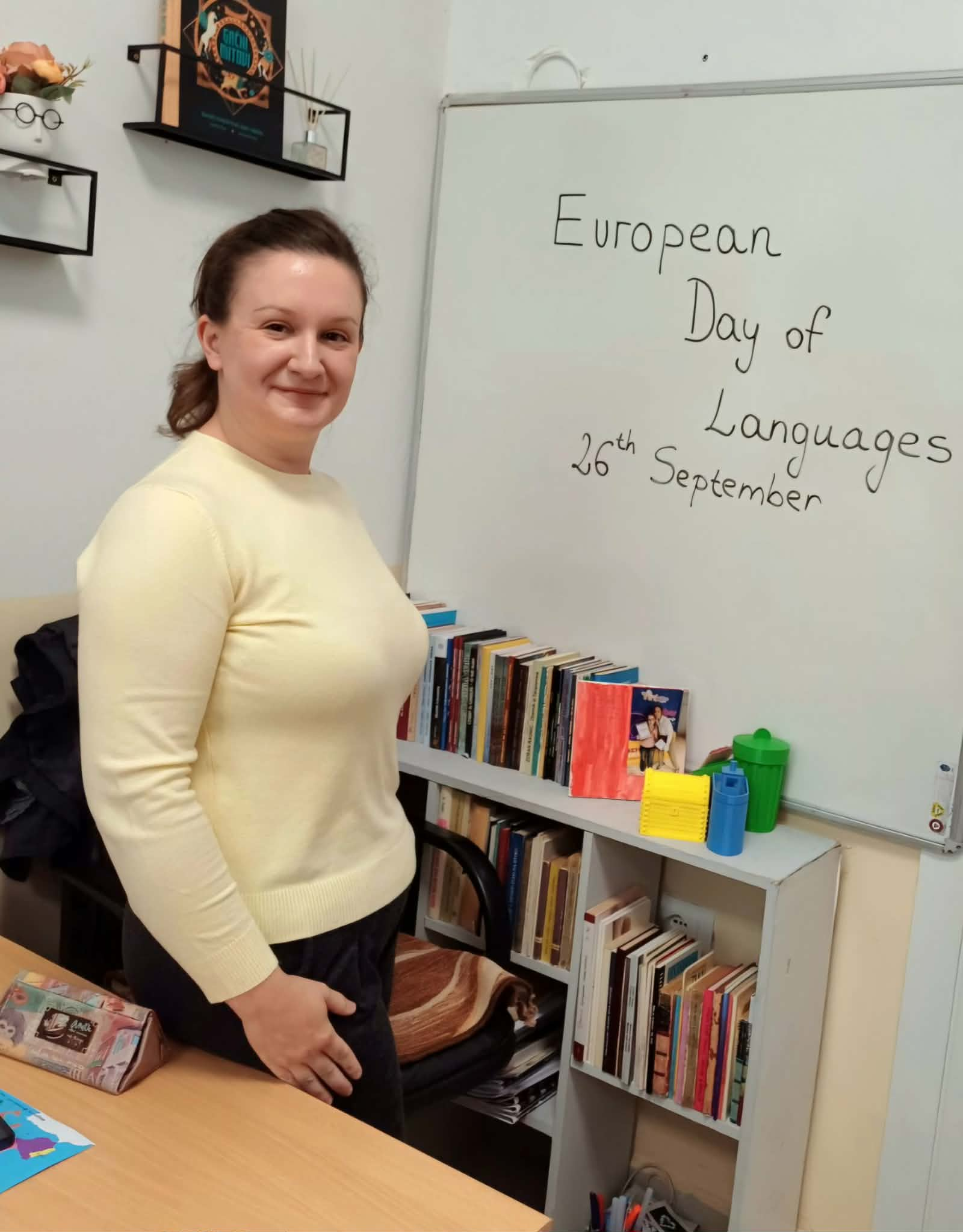
Jelena Damjanović
Jelena Damjanović is an English language teacher from Pljevlja, Montenegro. In 2012, she graduated from the Faculty of Philosophy at the University of Montenegro, specialising in English Language and Literature with a focus on teacher education.
Throughout her career, she has gained experience working in various primary and secondary schools in the Pljevlja area, teaching students of different ages and in diverse educational settings. Her work places particular emphasis on modern foreign language teaching methods, active student engagement, the use of digital technologies, and adapting instruction to students’ needs.
She is the author of the professional article “Teaching in a Multigrade Classroom During Remote Learning”, published in the journal Vaspitanje i obrazovanje. She has participated in international conferences and professional events in education, with a particular interest in contemporary teaching approaches, digital education, and the improvement of educational practice.
She also takes part in international educational activities and projects and has mentored students participating in the international Willkommen competition.
In her professional practice, she strives to combine contemporary pedagogical approaches, digital competencies, and creative teaching methods to make English language learning engaging, accessible, and meaningful for students.
She currently teaches English at Mihailo Žugić Primary School in Pljevlja, Montenegro.
Jelena Damjanović
One Board, Multiple Possibilities: The SMART Board as a Learning Tool in a Multigrade Classroom in a Small Rural School
Jelena Damjanović is an English language teacher from Pljevlja, Montenegro. In 2012, she graduated from the Faculty of Philosophy at the University of Montenegro, specialising in English Language and Literature with a focus on teacher education. Throughout her career, she has gained experience working in various primary and secondary schools in the Pljevlja area, teaching…
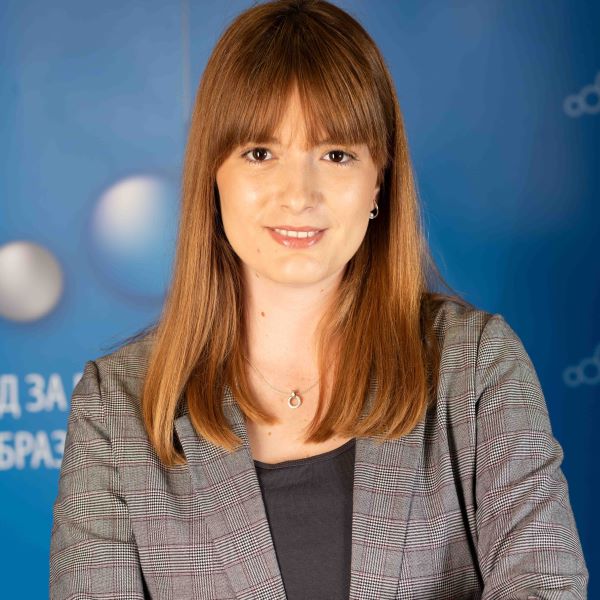
Katarina Baljak
Katarina Baljak works at the Centre for Educational Technology within the Institute for the Evaluation of the Quality of Education. She is involved in national and international research, providing expert support in the use of digital platforms and tools. She contributes to the development of reports, manuals, and guidelines for educational institutions. Through collaboration with expert teams, she helps strengthen schools’ digital capacities and promote the effective integration of modern technologies into educational practice.
Katarina Baljak
Digital World: The Task as a Bridge Between Learning Outcomes and Competences
Katarina Baljak works at the Centre for Educational Technology within the Institute for the Evaluation of the Quality of Education. She is involved in national and international research, providing expert support in the use of digital platforms and tools. She contributes to the development of reports, manuals, and guidelines for educational institutions. Through collaboration with…
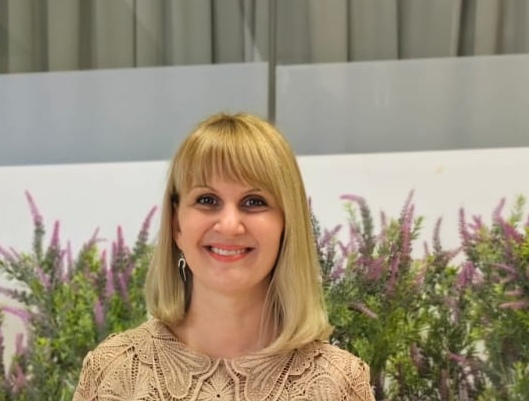
Katarina Kotrla Vidić
Katarina Kotrla Vidić has been a mathematics and computer science teacher since 2006, when she graduated in Mathematics and Computer Science from Josip Juraj Strossmayer University of Osijek. She has been teaching both subjects since 2007 and is actively involved in a wide range of educational activities within her school and the wider community. In 2025, she was promoted to the title of Excellent Adviser in the subject of Computer Science.
She takes a practical and inclusive approach to teaching, combining clear explanations, visual materials, and interactive tasks to make learning accessible to all students. Her teaching incorporates a variety of web-based tools, educational digital games, and applications. She also fosters interactive and collaborative relationships with her students, enabling her to monitor their progress continuously. She regularly shares her knowledge and experience with colleagues and the wider community.
The Ministry of Science and Education has recognised her contributions to improving the quality of the education system and her outstanding commitment to ensuring high-quality education with awards presented on Teachers’ Day on four occasions: in the 2019/2020, 2022/2023, 2023/2024, and 2024/2025 school years. She is a wife and mother to a daughter.
Katarina Kotrla Vidić
Using Artificial Intelligence to Support Inclusive STEM Education
Katarina Kotrla Vidić has been a mathematics and computer science teacher since 2006, when she graduated in Mathematics and Computer Science from Josip Juraj Strossmayer University of Osijek. She has been teaching both subjects since 2007 and is actively involved in a wide range of educational activities within her school and the wider community. In…
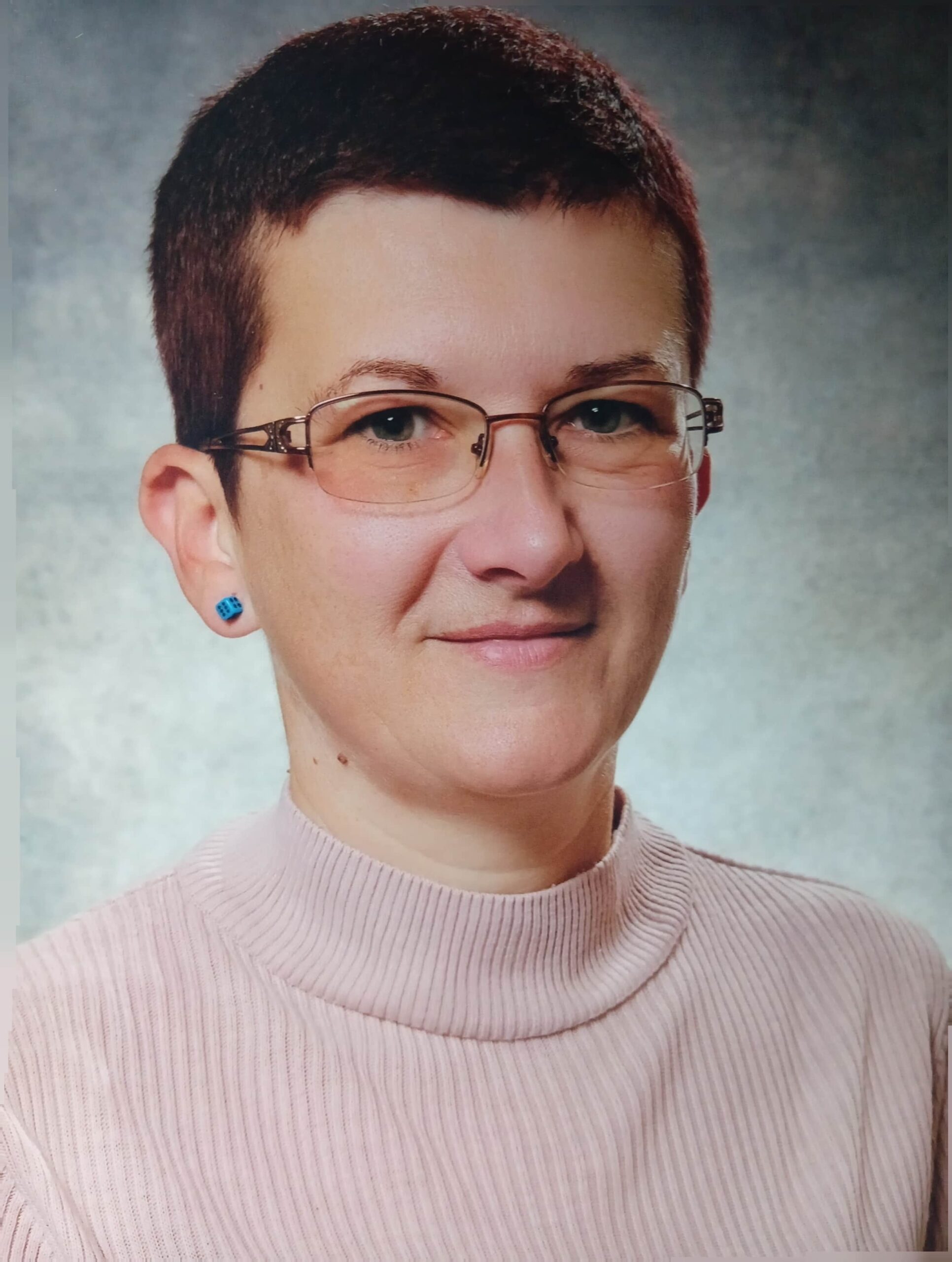
Marija Milovanović
Marija Milovanović is a primary school teacher, pedagogical adviser, and STEM educator at „Stefan Nemanja“ Primary School in Niš, Serbia. She has designed and delivered numerous innovative teaching activities and projects and authored professional papers in the fields of digital education, STEM education, and inquiry-based learning. Her work focuses particularly on the use of digital tools and the development of the 6KD Model, which promotes knowledge creation through digitally supported learning.
Marija Milovanović
From Digital Tools to Knowledge Creation: The 6KD Model in Primary Education
Marija Milovanović is a primary school teacher, pedagogical adviser, and STEM educator at „Stefan Nemanja“ Primary School in Niš, Serbia. She has designed and delivered numerous innovative teaching activities and projects and authored professional papers in the fields of digital education, STEM education, and inquiry-based learning. Her work focuses particularly on the use of digital…
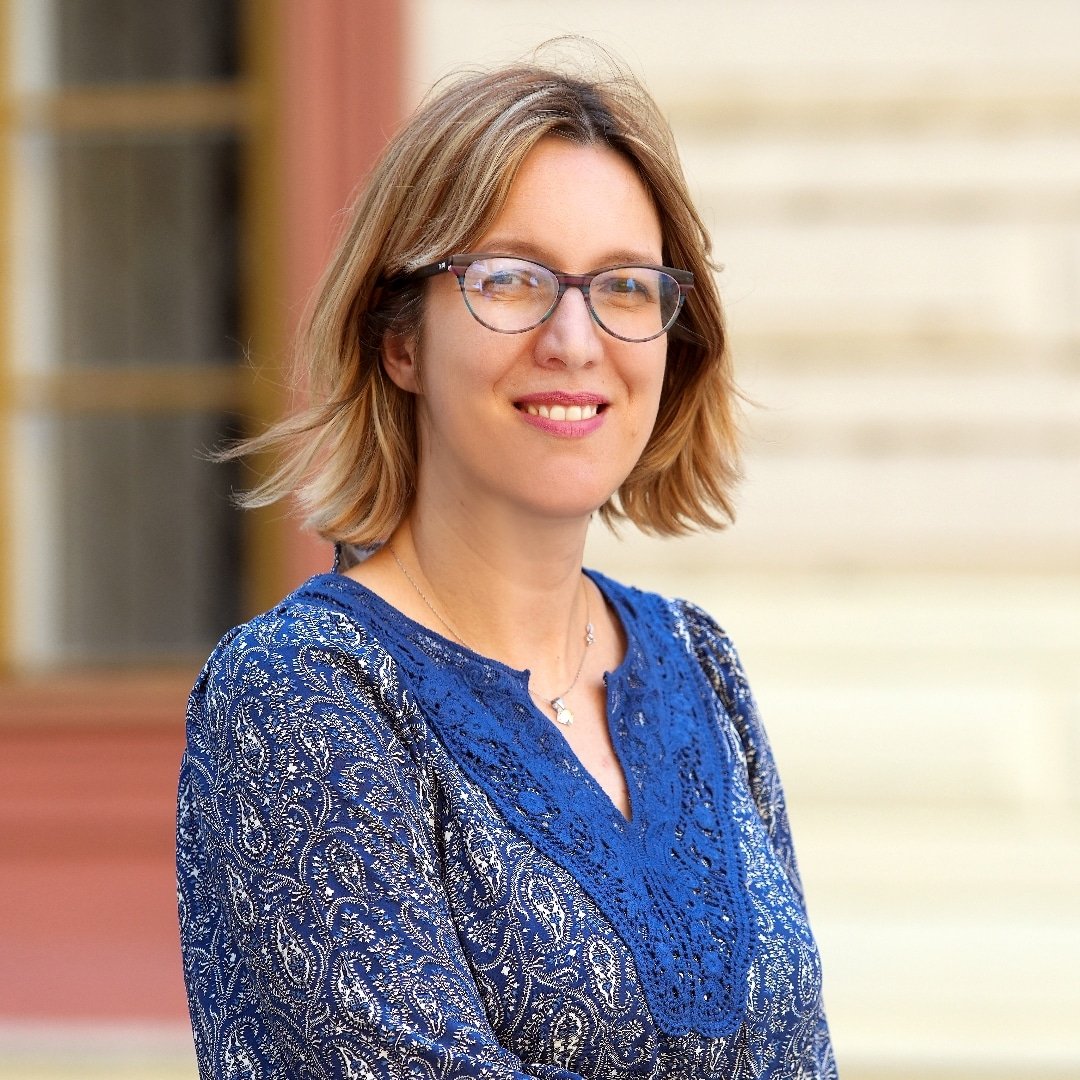
Marina Videnović
Marina Videnović is a Senior Research Associate at the Institute of Psychology. Her research focuses on adolescent learning and socialisation in school settings and during leisure time. She served as the lead analyst for the PISA 2018 and PISA 2022 studies. She has contributed to the national „PEER-Solvers“ project and the Erasmus+ „PROSTEAM“ project. She is currently a member of the team working on the Erasmus+ „Co-CREATE“ project.
Marina Videnović
Co-CREATE: Computer-Supported Collaborative Learning to Enhance Student Motivation
Marina Videnović is a Senior Research Associate at the Institute of Psychology. Her research focuses on adolescent learning and socialisation in school settings and during leisure time. She served as the lead analyst for the PISA 2018 and PISA 2022 studies. She has contributed to the national „PEER-Solvers“ project and the Erasmus+ „PROSTEAM“ project. She…
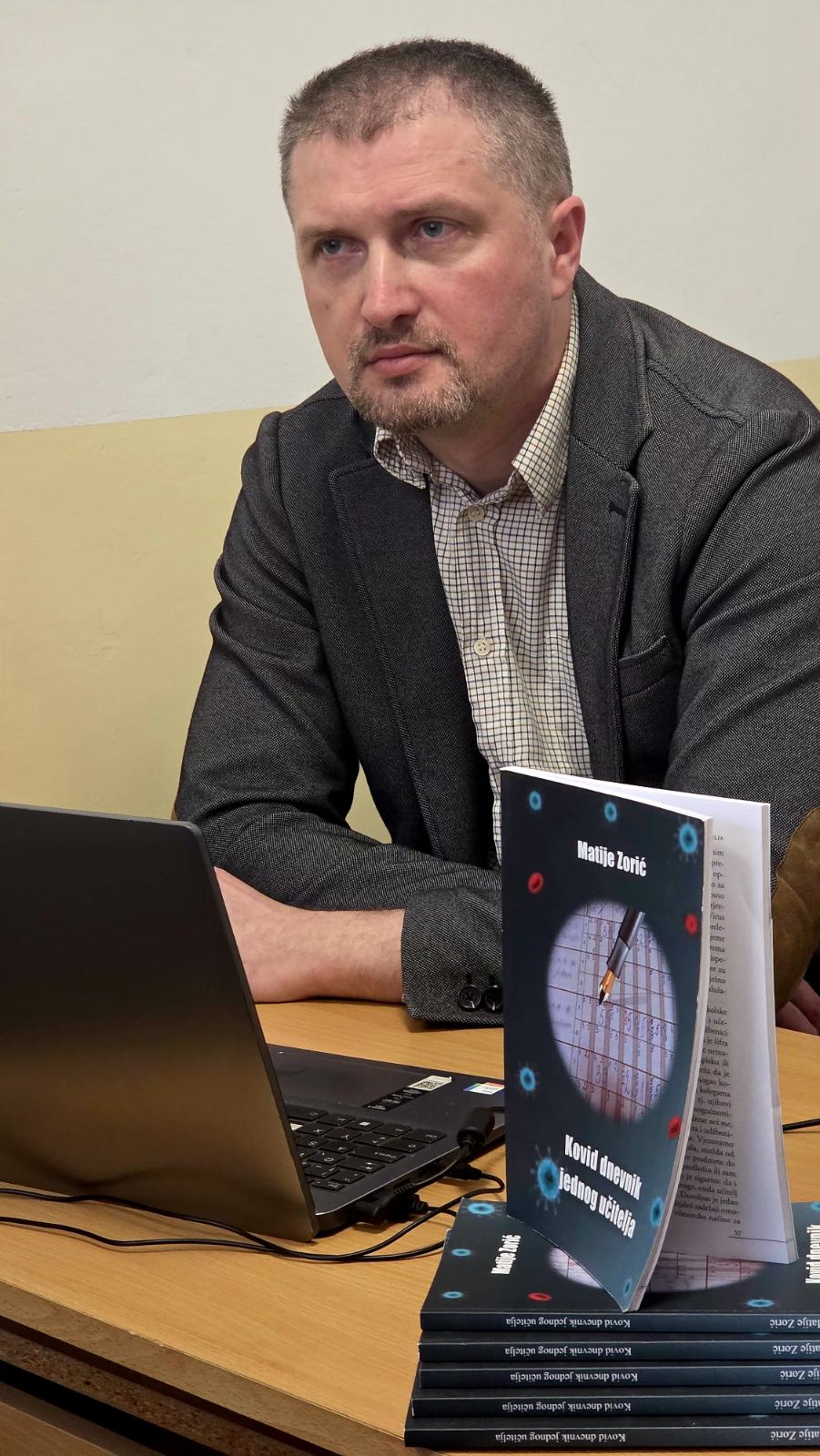
Matije Zorić
Matije Zorić holds a Master’s degree in Primary Education and has over 18 years of experience in primary school teaching, with particular expertise in rural schools and multigrade classrooms. His teaching practice incorporates modern teaching methods, digital technologies, and elements of artificial intelligence. He is the author of accredited professional development programmes, academic papers, and the book „A Teacher’s COVID Diary“. He has also participated in international conferences.
Matije Zorić
One Board, Multiple Possibilities: The SMART Board as a Learning Tool in a Multigrade Classroom in a Small Rural School
Matije Zorić holds a Master’s degree in Primary Education and has over 18 years of experience in primary school teaching, with particular expertise in rural schools and multigrade classrooms. His teaching practice incorporates modern teaching methods, digital technologies, and elements of artificial intelligence. He is the author of accredited professional development programmes, academic papers, and…
Melita Brodar
Melita Brodar is a chemistry teacher who graduated from the Faculty of Science and Mathematics. She teaches chemistry at „Ivana Kukuljević Sakcinski Primary School“ in Ivanec, Croatia. Her work places a strong emphasis on inquiry-based and experiential learning, fostering creativity, and working with gifted and highly motivated students. She actively contributes to the design and implementation of STEM activities, projects, and extracurricular programmes, while encouraging collaboration among students of different ages and cooperation within and beyond the school. She is involved in Erasmus+ activities and international cooperation and serves as a Scientix Ambassador and an ambassador for the Women Science Teachers initiative. She regularly presents her experience and examples of good practice at professional development events and conferences.
Melita Brodar
When AI Provides an Answer: How Can We Encourage Critical Thinking?
Melita Brodar is a chemistry teacher who graduated from the Faculty of Science and Mathematics. She teaches chemistry at „Ivana Kukuljević Sakcinski Primary School“ in Ivanec, Croatia. Her work places a strong emphasis on inquiry-based and experiential learning, fostering creativity, and working with gifted and highly motivated students. She actively contributes to the design and…

Mladenka Obućina
Mladenka Obućina holds a degree in Psychology and has worked in education since 2010 as both a teacher and a school psychologist. She designs and delivers accredited teacher training programmes and presents at accredited conferences. She is also a member and presenter at the National Section of Educational Support Professionals. Her work focuses on preventive, counselling, and educational support.
Mladenka Obućina
The Eighth-Grade Final Exam, Big Emotions: An Interactive Digital Tool to Educate and Support Students Preparing for the Final Exam
Mladenka Obućina holds a degree in Psychology and has worked in education since 2010 as both a teacher and a school psychologist. She designs and delivers accredited teacher training programmes and presents at accredited conferences. She is also a member and presenter at the National Section of Educational Support Professionals. Her work focuses on preventive,…
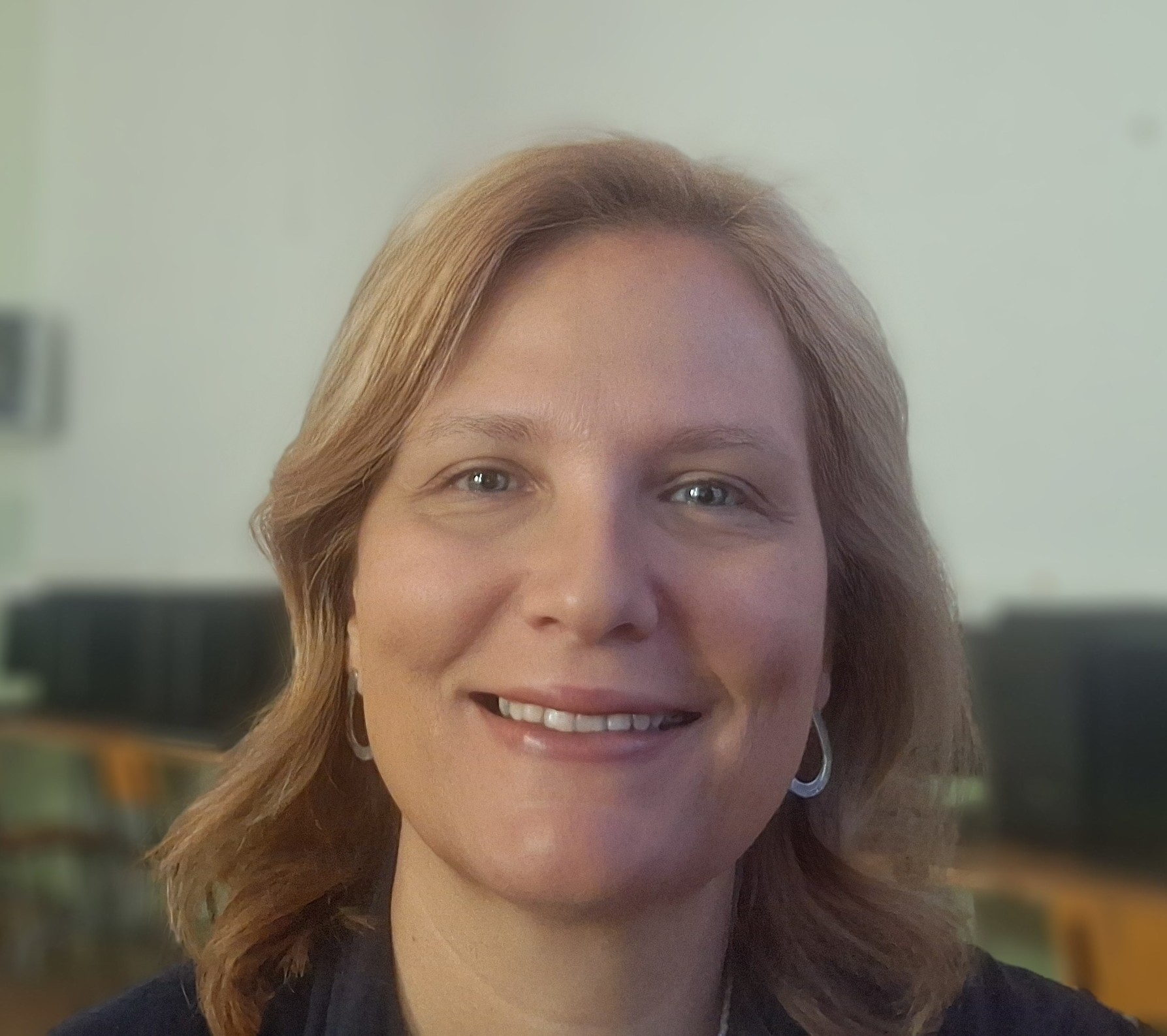
Nataša Đurić-Lazović
Nataša Đurić-Lazović graduated from the Faculty of Mathematics at the University of Belgrade. After working in the private sector as a software developer, she turned to teaching. At the Sixth Belgrade Gymnasium, she teaches Computing and Informatics, as well as specialised IT subjects. She leads the programming and robotics club and is involved in the work of the school’s Makers Lab.
Nataša Đurić-Lazović
When Students Become Researchers and Creators: Digital Technologies in Collaborative and Cross-Curricular Learning – Insights from the “Women Scientists Today – Inspiration for the Future” Project
Nataša Đurić-Lazović graduated from the Faculty of Mathematics at the University of Belgrade. After working in the private sector as a software developer, she turned to teaching. At the Sixth Belgrade Gymnasium, she teaches Computing and Informatics, as well as specialised IT subjects. She leads the programming and robotics club and is involved in the…
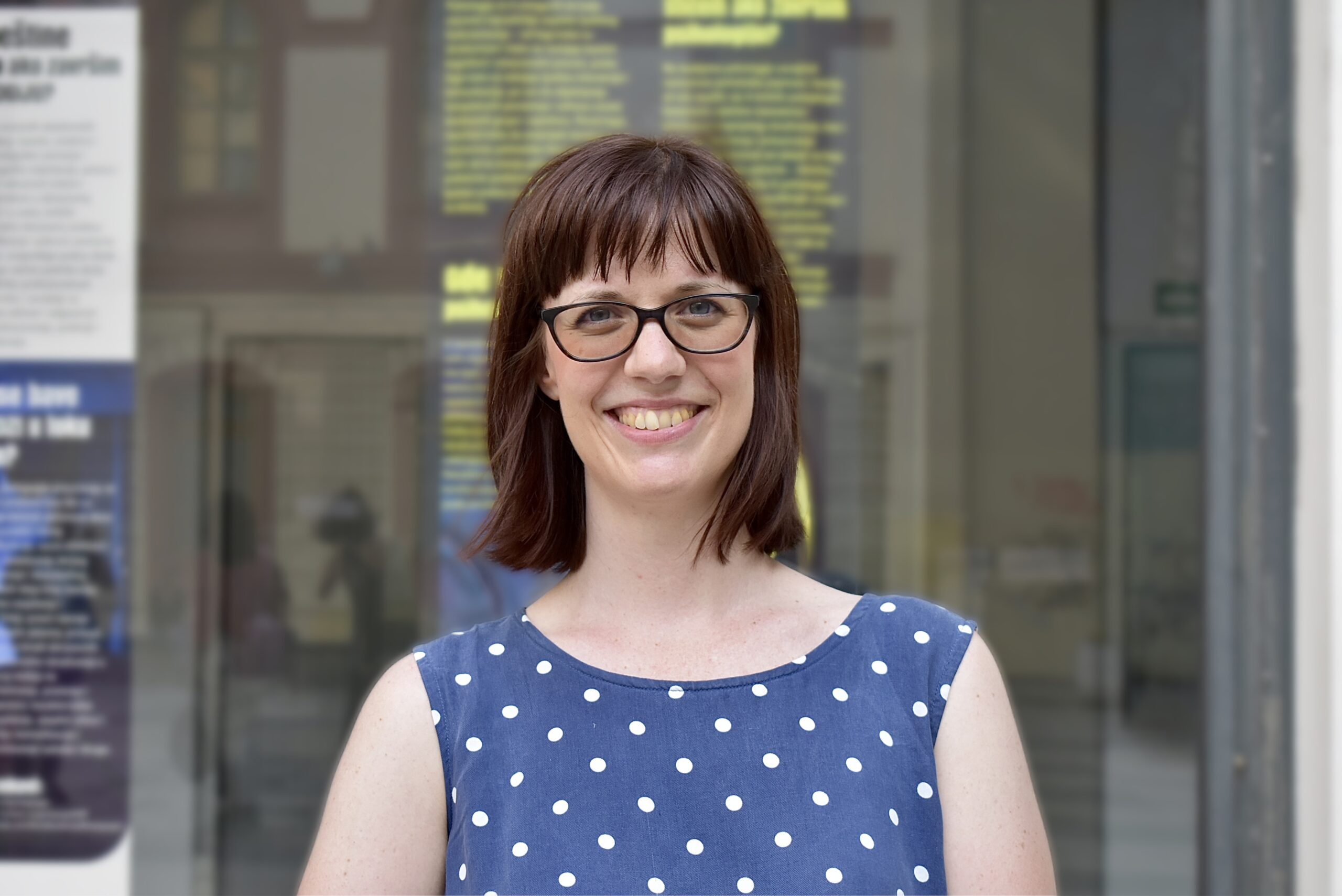
Nataša Simić
Nataša Simić is a Principal Research Fellow at the Institute of Psychology. Her primary areas of expertise are inclusive education and teacher professional development. She leads the TEACHEMPOWER project, supported by the UniCredit Foundation, as well as the Erasmus+ KA2 project „Co-CREATE“. Since 2010, she has also taught a range of courses in educational psychology at the Faculty of Philosophy, University of Belgrade.
Nataša Simić
Co-CREATE: Computer-Supported Collaborative Learning to Enhance Student Motivation
Nataša Simić is a Principal Research Fellow at the Institute of Psychology. Her primary areas of expertise are inclusive education and teacher professional development. She leads the TEACHEMPOWER project, supported by the UniCredit Foundation, as well as the Erasmus+ KA2 project „Co-CREATE“. Since 2010, she has also taught a range of courses in educational psychology…
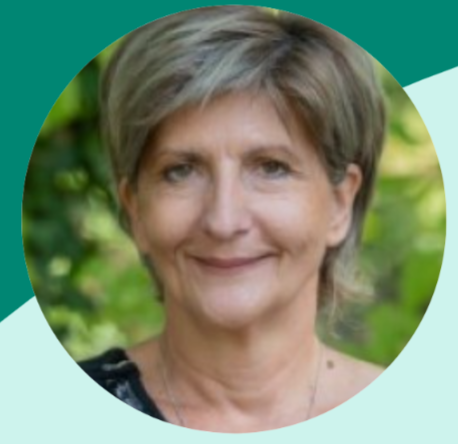
Olivera Potić
Olivera Potić is a Serbian language and literature teacher with 39 years of experience in both the Serbian and French education systems. She is the co-author of the teaching handbook „Bez po muke ide nam od ruke“ and the creator of the „Bez po muke 2.0“ project. Her work focuses on project-based learning, digital pedagogy, and the responsible use of artificial intelligence in education.
Olivera Potić
From Products to Process: Project-Based Learning in the Age of Artificial Intelligence
Olivera Potić is a Serbian language and literature teacher with 39 years of experience in both the Serbian and French education systems. She is the co-author of the teaching handbook „Bez po muke ide nam od ruke“ and the creator of the „Bez po muke 2.0“ project. Her work focuses on project-based learning, digital pedagogy,…
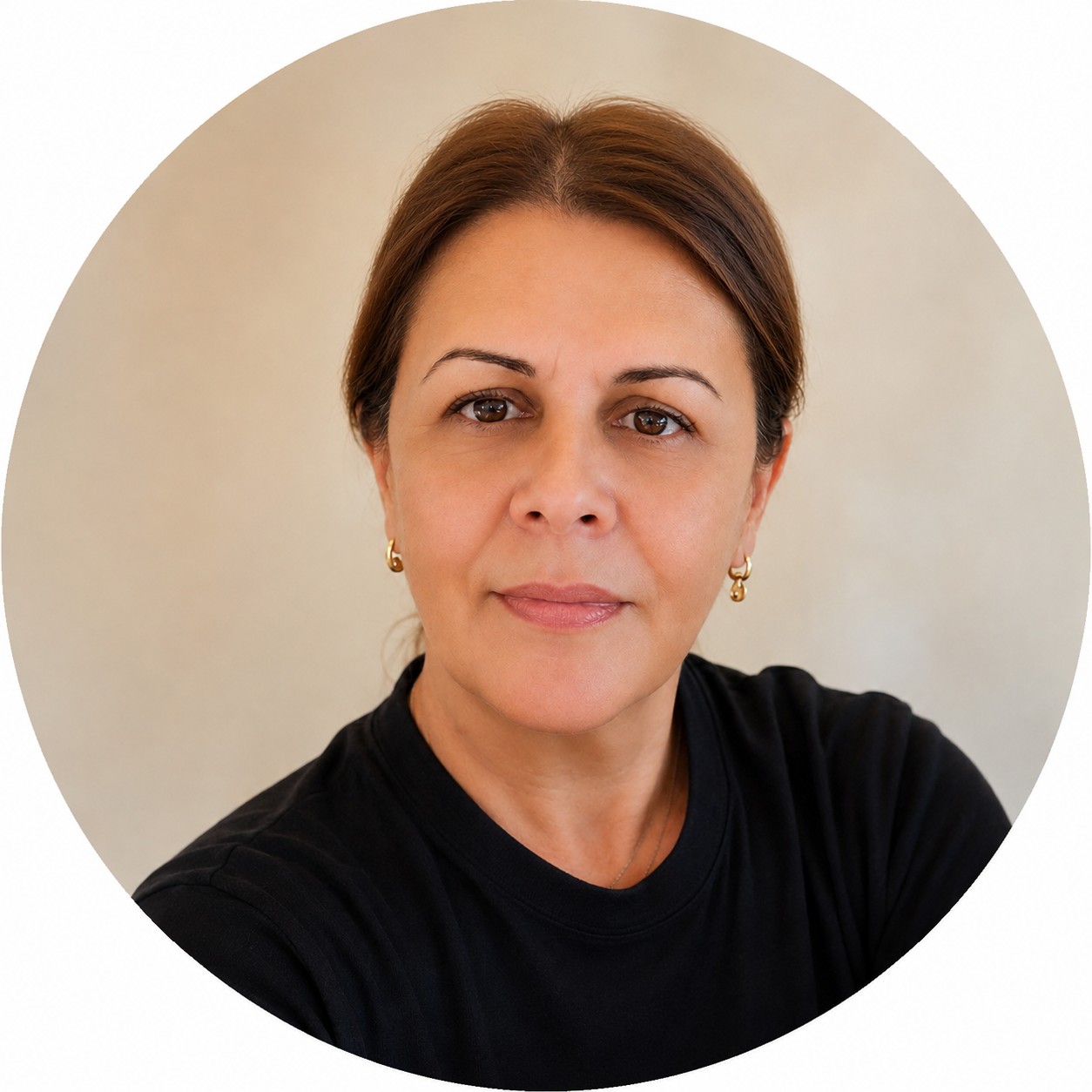
Renata Papec
Renata Papec holds a Master’s degree in Computer Science and is a teacher adviser at „Ivana Kukuljević Sakcinski Primary School“ in Ivanec, Croatia, where she teaches computer science. Her work focuses particularly on the application of artificial intelligence in education, the development of innovative learning models, and the education of both students and teachers. She leads an artificial intelligence workshop at the Centre of Excellence of Varaždin County.
Renata Papec
When AI Provides an Answer: How Can We Encourage Critical Thinking?
Renata Papec holds a Master’s degree in Computer Science and is a teacher adviser at „Ivana Kukuljević Sakcinski Primary School“ in Ivanec, Croatia, where she teaches computer science. Her work focuses particularly on the application of artificial intelligence in education, the development of innovative learning models, and the education of both students and teachers. She…
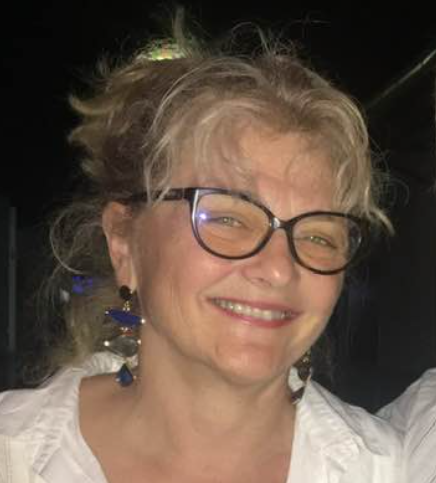
Snežana Marković
Snežana Marković is a computing teacher with 35 years of experience in advancing computer science education and digital learning. She designs and delivers online and hybrid professional development programmes and educational projects. She collaborates with the British Council and has worked with UNICEF, the Institute for the Improvement of Education (ZUOV), and the Institute for Education Quality and Evaluation (ZVKOV). She has also contributed to the development of strategic documents on digital education. At her school, she coordinates the Makers Lab.
Snežana Marković
When Students Become Researchers and Creators: Digital Technologies in Collaborative and Cross-Curricular Learning – Insights from the “Women Scientists Today – Inspiration for the Future” Project
Snežana Marković is a computing teacher with 35 years of experience in advancing computer science education and digital learning. She designs and delivers online and hybrid professional development programmes and educational projects. She collaborates with the British Council and has worked with UNICEF, the Institute for the Improvement of Education (ZUOV), and the Institute for Education…
Suzana Janković
Suzana Janković is an English language teacher with 22 years of teaching experience. She chairs a subject department and coordinates the Professional Development and Teaching Digitalisation Team. At the GSP Technical School, she is developing a hybrid approach to teaching English for Specific Purposes, integrating artificial intelligence into teaching and learning and creating tailored learning materials to meet the needs of students in different technical fields.
Suzana Janković
Artificial Intelligence in English for Specific Purposes Teaching: A Personalised Approach for Vocational School Students
Suzana Janković is an English language teacher with 22 years of teaching experience. She chairs a subject department and coordinates the Professional Development and Teaching Digitalisation Team. At the GSP Technical School, she is developing a hybrid approach to teaching English for Specific Purposes, integrating artificial intelligence into teaching and learning and creating tailored learning…
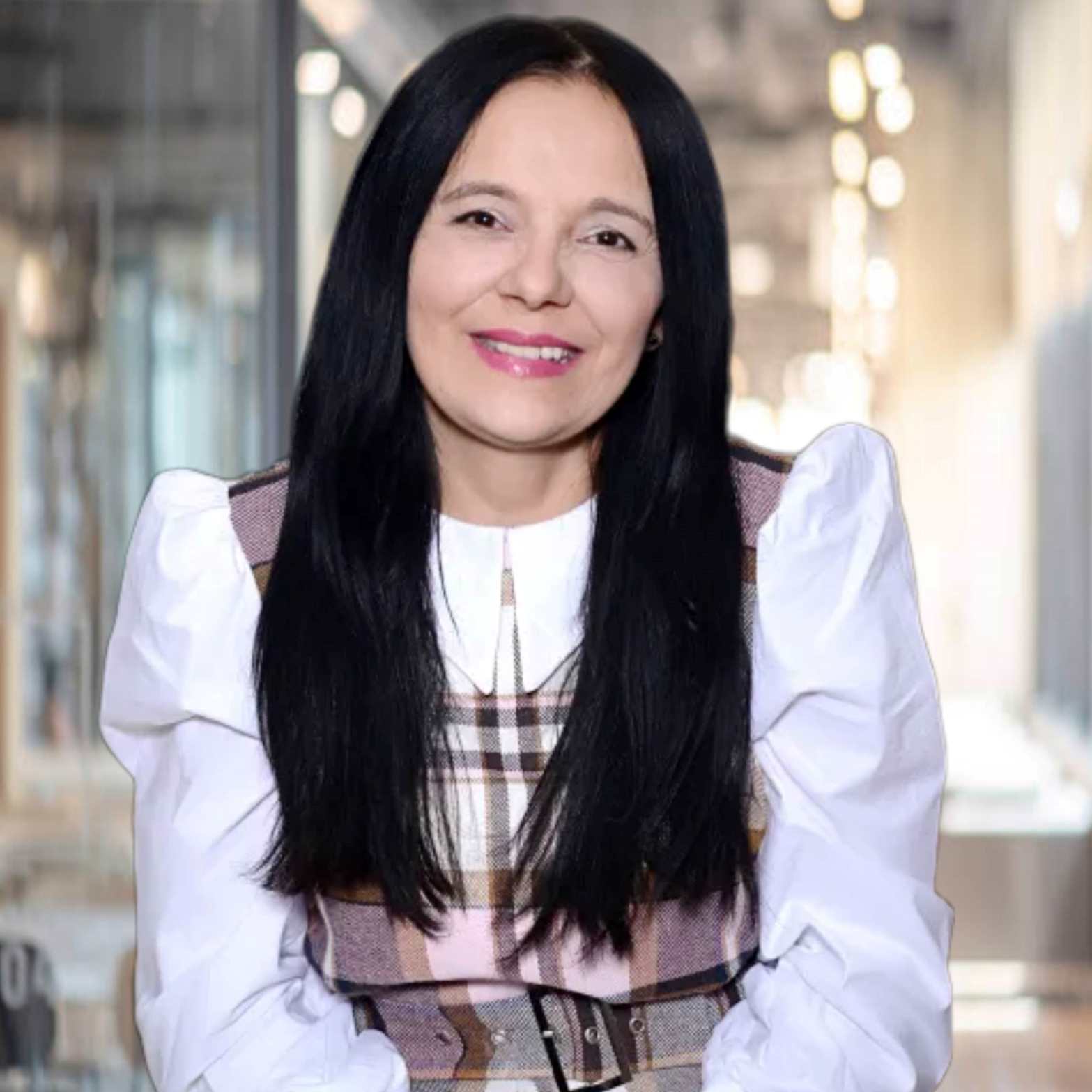
Zvonimirka Jovičić
Zvonimirka Jovičić holds a Master’s degree in Mathematics Education for Primary School Teaching. She has been teaching at “Knez Lazar” Primary School in Žagubica for over two decades and holds the title of Pedagogical Adviser. In 2015, she received the Best Educators of Serbia award and was one of the national winners in the competition for the Global Teacher Prize.
She is the author of a handbook on integrative teaching for first grade and co-author of handbooks for third and fourth grade, published by Eduka. Her award-winning work includes A Lesson to Learn From (Čas za ugled) and A Digital Lesson (Digitalni čas). She received a special award at Intelligence Day 2020 and an award in the 2021 Intelligence Days – Stimulating Intellectual Development competition, as well as recognition in a competition organised by the Institute for Modern Education.
She has authored 42 articles published in journals and other publications, and 55 examples of good practice featured in national databases. She has presented 26 examples of good practice at professional gatherings and SonS webinars. She has also participated in the SonS Festival, is a member of the Institute for Modern Education, and serves as a SonS ambassador. She has presented at three international conferences and at the professional event Growing and Developing Through Practice with a Teacher.
In 2025, she was a semi-finalist in the Prosvetitelj 2025 teaching competition. She has twice been a finalist at national festivals and has delivered webinars for EC “Kon-Tiki”. In 2025, she received first prize in the Learned at a Seminar, Applied in Practice competition.
Several of her articles have been published on the website of the “Živojin Mišić” Association, and she has also contributed work to The STEM Discovery Campaign Blog.
Through her work with pupils in a multigrade classroom, she has earned numerous awards at international and national competitions and showcases.
Zvonimirka Jovičić
Digital Tools for Collaborative and Inquiry-Based Learning: The “My School’s Past” Project
Zvonimirka Jovičić holds a Master’s degree in Mathematics Education for Primary School Teaching. She has been teaching at “Knez Lazar” Primary School in Žagubica for over two decades and holds the title of Pedagogical Adviser. In 2015, she received the Best Educators of Serbia award and was one of the national winners in the competition…