

Below you will find answers to the questions most frequently asked by speakers at previous editions of the conference. If you cannot find the information you are looking for, please feel free to contact us.
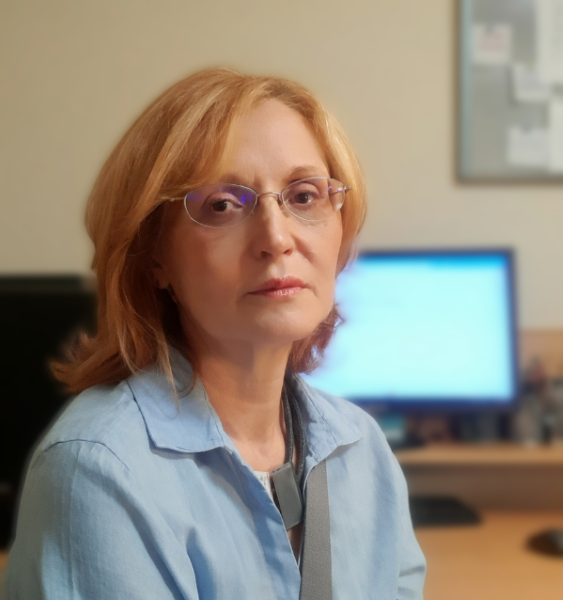
Nataša Anđelković
Nataša Anđelković is an expert in digital education in early childhood education, with extensive experience in the use of educational technologies, the development of preschool teachers’ digital competences, and the enhancement of educational practice. Through her work and professional engagement, she actively promotes a culture of digital technology use and its integration across all areas of preschool teachers’ practice.
Nataša Anđelković
Creating a Guided Play Activity „The Gift Hunt“ Using Digital and AI Tools
Nataša Anđelković is an expert in digital education in early childhood education, with extensive experience in the use of educational technologies, the development of preschool teachers’ digital competences, and the enhancement of educational practice. Through her work and professional engagement, she actively promotes a culture of digital technology use and its integration across all areas…
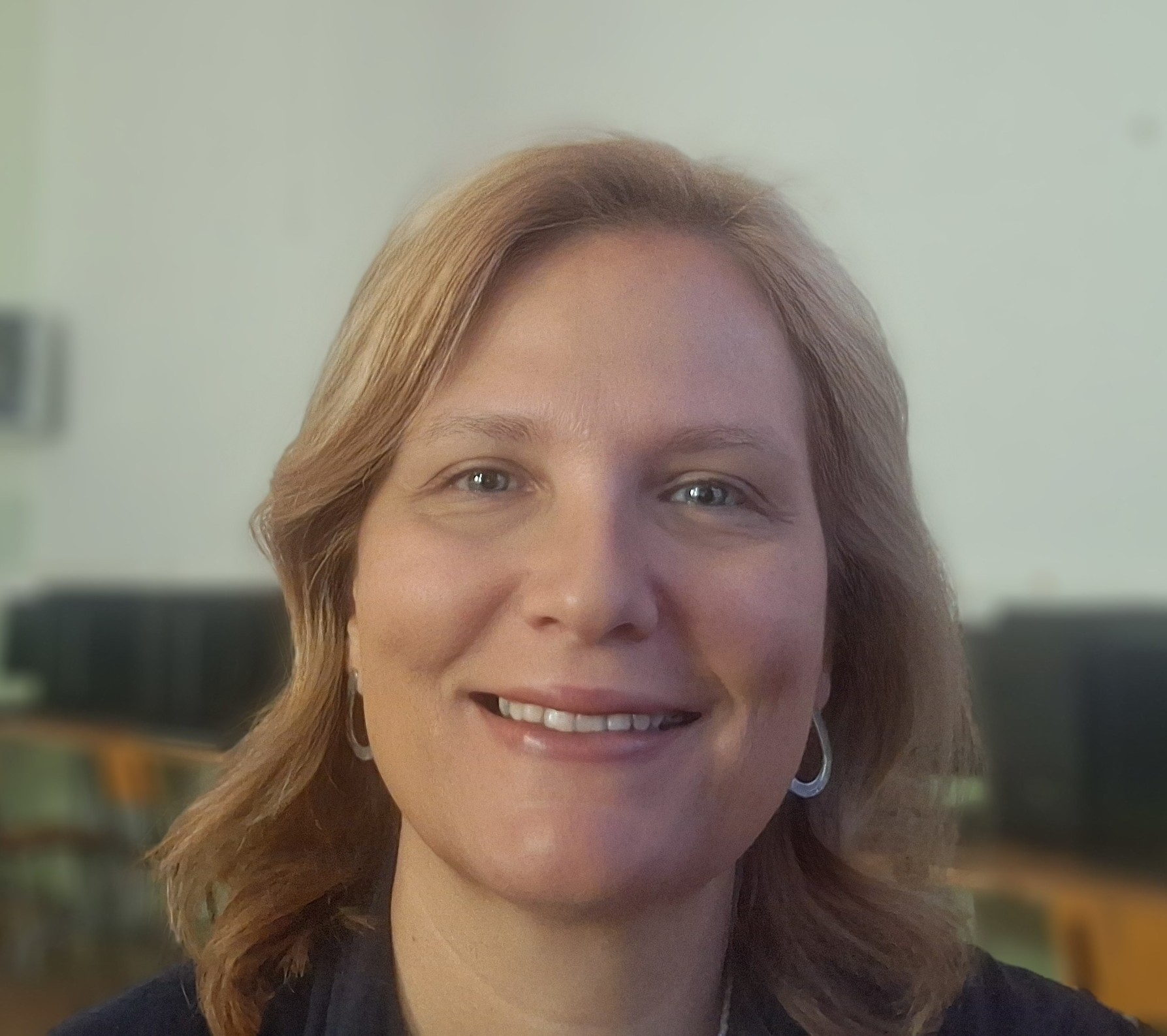
Nataša Đurić-Lazović
Nataša Đurić-Lazović graduated from the Faculty of Mathematics at the University of Belgrade. After working in the private sector as a software developer, she turned to teaching. At the Sixth Belgrade Gymnasium, she teaches Computing and Informatics, as well as specialised IT subjects. She leads the programming and robotics club and is involved in the work of the school’s Makers Lab.
Nataša Đurić-Lazović
When Students Become Researchers and Creators: Digital Technologies in Collaborative and Cross-Curricular Learning – Insights from the “Women Scientists Today – Inspiration for the Future” Project
Nataša Đurić-Lazović graduated from the Faculty of Mathematics at the University of Belgrade. After working in the private sector as a software developer, she turned to teaching. At the Sixth Belgrade Gymnasium, she teaches Computing and Informatics, as well as specialised IT subjects. She leads the programming and robotics club and is involved in the…
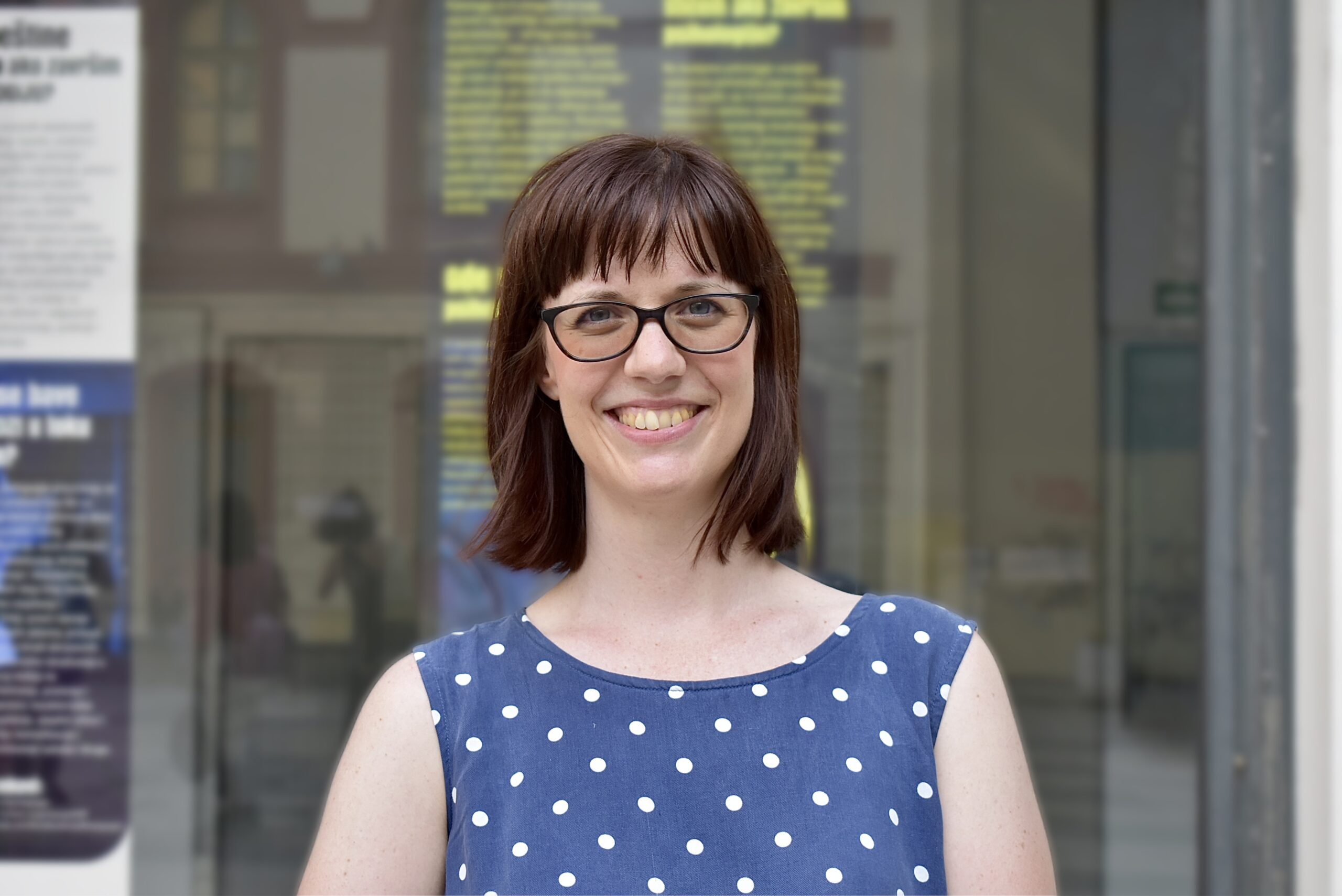
Nataša Simić
Nataša Simić is a Principal Research Fellow at the Institute of Psychology. Her primary areas of expertise are inclusive education and teacher professional development. She leads the TEACHEMPOWER project, supported by the UniCredit Foundation, as well as the Erasmus+ KA2 project „Co-CREATE“. Since 2010, she has also taught a range of courses in educational psychology at the Faculty of Philosophy, University of Belgrade.
Nataša Simić
Co-CREATE: Computer-Supported Collaborative Learning to Enhance Student Motivation
Nataša Simić is a Principal Research Fellow at the Institute of Psychology. Her primary areas of expertise are inclusive education and teacher professional development. She leads the TEACHEMPOWER project, supported by the UniCredit Foundation, as well as the Erasmus+ KA2 project „Co-CREATE“. Since 2010, she has also taught a range of courses in educational psychology…

Nikola Luburić
Nikola Luburić’s work bridges software engineering and education. He develops conceptual frameworks and digital tools to enhance the quality of higher education and applies them in teaching to better prepare future software engineers. His work focuses on project-based learning, intelligent tutoring systems, and the application of large language models to support all aspects of the educational process.
Nikola Luburić
Using Artificial Intelligence to Create Interactive Educational Visuals
Nikola Luburić’s work bridges software engineering and education. He develops conceptual frameworks and digital tools to enhance the quality of higher education and applies them in teaching to better prepare future software engineers. His work focuses on project-based learning, intelligent tutoring systems, and the application of large language models to support all aspects of the…